Charles Ives
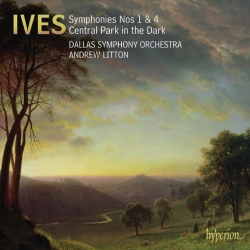
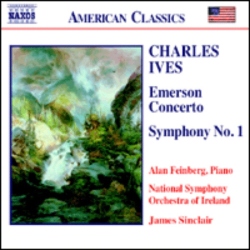
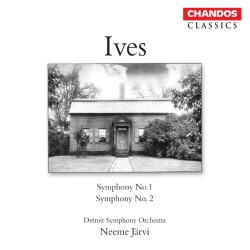
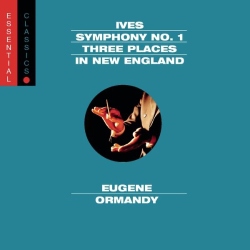
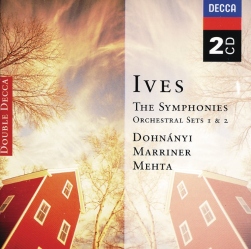
Symphony No. 1, for orchestra in D minor, S. 1
Released Album
Recent Album

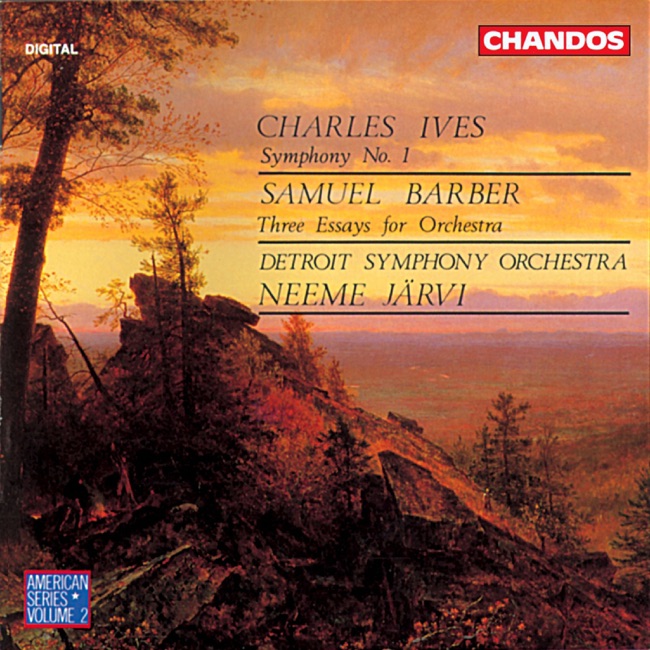
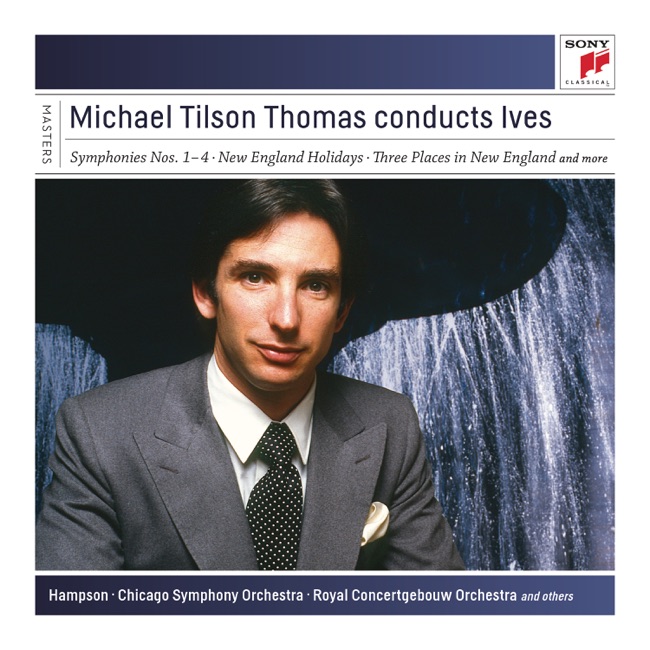
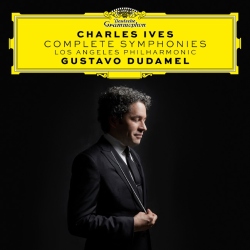
Featured Album
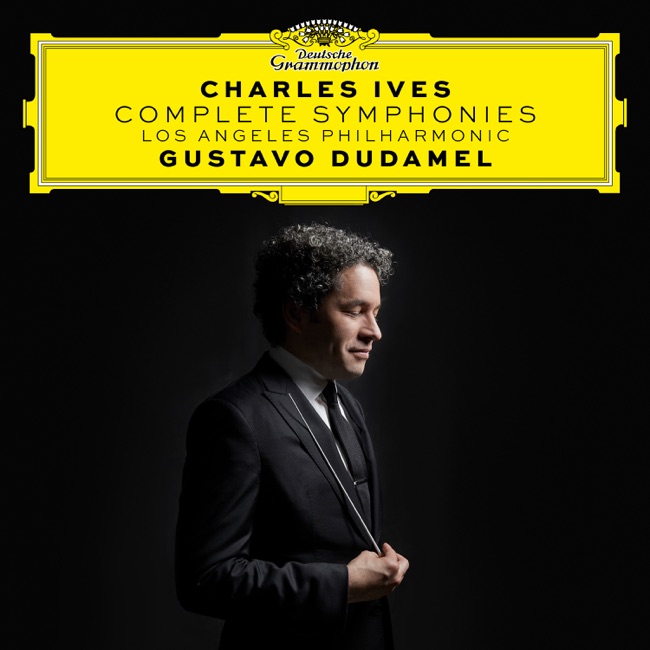
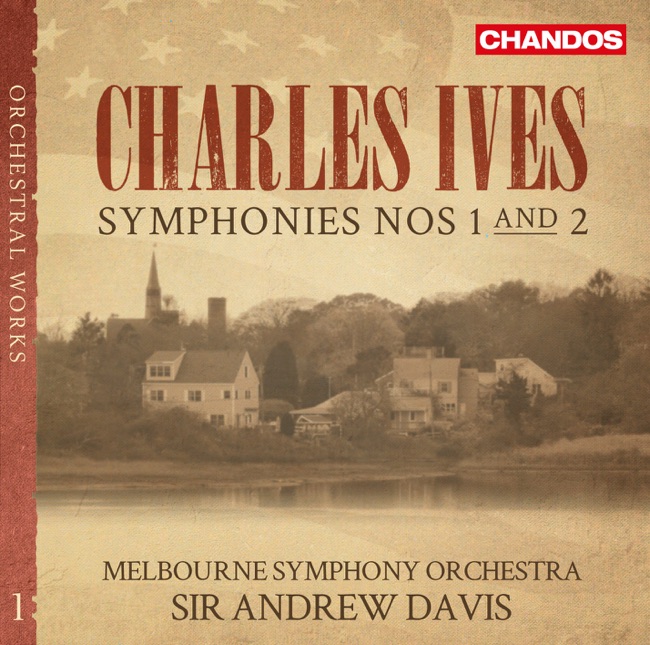
Works Info
Composer:Charles IvesGenre:SymphonyStyle:SymphonyCompose Date:1898 - 1902Publication Date:1971First Performance:Apr 26, 1953Average_duration:37:25Movement_count:4Movement ....Symphony No. 1, for orchestra in D minor, S. 1, is the first symphony composed by the American composer Charles Ives. The symphony was composed between 1898 and 1902, and it premiered on November 22, 1906, in New York City. The symphony is divided into four movements, and it is characterized by its use of dissonance, polytonality, and unconventional harmonies. The first movement, marked "Allegro con fuoco," begins with a dramatic introduction featuring the full orchestra. The main theme is introduced by the strings and is characterized by its use of syncopation and dissonance. The movement features a number of contrasting sections, including a lyrical second theme and a frenzied development section. The movement ends with a triumphant restatement of the main theme. The second movement, marked "Andante," is a lyrical and introspective movement featuring a solo violin. The movement is characterized by its use of polytonality, with the solo violin playing in a different key than the rest of the orchestra. The movement builds to a climax before returning to the introspective mood of the opening. The third movement, marked "Scherzo," is a lively and playful movement featuring a number of unconventional rhythms and harmonies. The movement is characterized by its use of syncopation and irregular meters, and it features a number of contrasting sections, including a lyrical trio section. The final movement, marked "Allegro molto," is a frenzied and chaotic movement featuring a number of unconventional harmonies and rhythms. The movement is characterized by its use of polytonality and dissonance, and it features a number of contrasting sections, including a lyrical second theme and a frenzied development section. The movement ends with a triumphant restatement of the main theme from the first movement. Overall, Symphony No. 1 is a groundbreaking work that pushed the boundaries of traditional classical music. Its use of dissonance, polytonality, and unconventional harmonies paved the way for the development of modernist music in the 20th century.More....
Works Music
Released Music
1
11:9
2
13:7
3
13:7
9
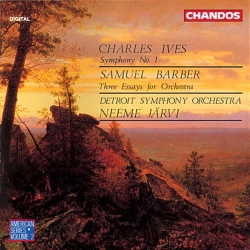
16:47
10
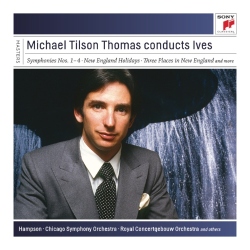
11:44
Featured Music
1
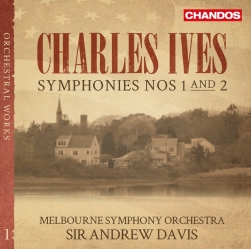
Symphony No. 1, for orchestra in D minor, p. 1
1. Allegro - Più moto - Meno allegro - Largamente - Agitando
13:16
2
Symphony No. 1, for orchestra in D minor, p. 1
2. Adagio molto (sostenuto) - Più moto - Animando ed accelerando - Allargando - Più moto - Tempo 1 (Adagio molto)
7:43
4
Symphony No. 1, for orchestra in D minor, p. 1
4. Allegro molto - Poco più mosso - Allegro molto assai - Animando - Largamente e poco ritenuto - Allegro con fuoco
14:5