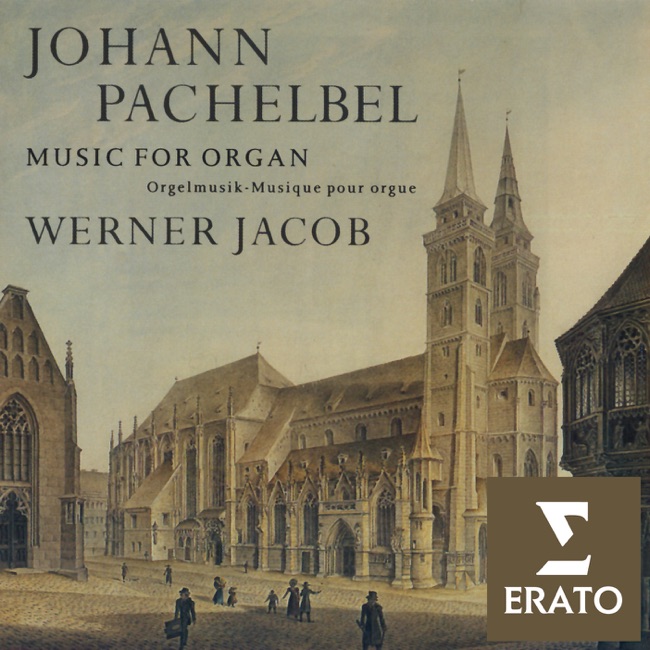
Johann Pachelbel
Prelude & Fugue in C minor
Released Album
Recent Album

Works Info
Composer:Johann PachelbelGenre:KeyboardStyle:FugueCompose Date:before 1730Average_duration:3:58Johann Pachelbel's Prelude & Fugue in C minor is a baroque keyboard piece composed in the late 17th century. The exact date of composition is unknown, but it is believed to have been written around 1680. The piece consists of two movements, a prelude and a fugue, both in the key of C minor. The prelude is a short, introductory piece that sets the mood for the fugue. It is written in a slow, mournful style, with a simple melody that is repeated throughout the piece. The prelude is characterized by its use of suspensions, which create a sense of tension and release. The piece ends with a cadence that leads directly into the fugue. The fugue is a more complex piece, consisting of a main theme (or subject) that is introduced at the beginning and then developed throughout the piece. The theme is a short, four-note melody that is repeated and varied in different ways. The fugue is characterized by its use of counterpoint, which is the art of combining two or more melodies in a way that creates a harmonious whole. Pachelbel's fugue is a prime example of this technique, with multiple voices weaving in and out of each other in a complex and intricate pattern. The fugue is divided into several sections, each of which develops the theme in a different way. The sections are separated by episodes, which are short interludes that provide a break from the main theme. The piece builds to a climax in the final section, where all the voices come together in a grand finale. Overall, Pachelbel's Prelude & Fugue in C minor is a masterful example of baroque keyboard music. Its use of suspensions, counterpoint, and complex structure make it a challenging and rewarding piece for performers and listeners alike.More....
Works Music
Released Music