Heinrich Ignaz Franz von Biber
Mystery Sonata No. 13 in D minor "The Descent", C. 102
Released Album
Recent Album
Works Info
Composer:Heinrich Ignaz Franz von BiberGenre:ChamberStyle:SonataCompose Date:1676Publication Date:1905Average_duration:8:16Movement_count:4Movement ....Heinrich Ignaz Franz von Biber's 'Mystery Sonata No. 13 in D minor The Descent, C. 102' is a composition for solo violin that is part of a collection of 15 sonatas known as the 'Rosary Sonatas' or 'Mystery Sonatas'. The sonatas are named after the mysteries of the Rosary, a Catholic prayer that focuses on the life of Jesus Christ and the Virgin Mary. The 'Descent' sonata is the thirteenth in the collection and is based on the fifth mystery, the Descent of the Holy Spirit. The 'Descent' sonata was composed in the late 17th century and premiered in Salzburg, Austria. It is divided into four movements, each of which represents a different aspect of the mystery it is based on. The first movement, titled 'The Descent of the Holy Spirit', is a slow and solemn introduction that sets the mood for the rest of the sonata. The second movement, 'The Apostles Speak in Tongues', is a lively and energetic dance that represents the excitement and confusion of the apostles as they receive the gift of tongues. The third movement, 'The Fire of the Holy Spirit', is a slow and contemplative piece that represents the transformative power of the Holy Spirit. The final movement, 'The Apostles Receive the Holy Spirit', is a joyful and celebratory dance that represents the apostles' newfound understanding and faith. One of the most notable characteristics of the 'Descent' sonata is its use of scordatura tuning, a technique in which the strings of the violin are tuned to a different pitch than usual. In this case, the violin is tuned to D-A-D-F# instead of the standard G-D-A-E tuning. This allows Biber to create unique and unusual harmonies and effects that would not be possible with standard tuning. Overall, the 'Descent' sonata is a powerful and evocative piece of music that captures the spirit of the mystery it is based on. Its use of scordatura tuning and its varied and expressive movements make it a standout work in Biber's 'Rosary Sonatas' and in the repertoire of solo violin music.More....
Works Music
Released Music
1
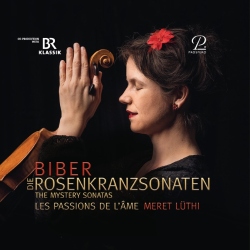
1:21
2
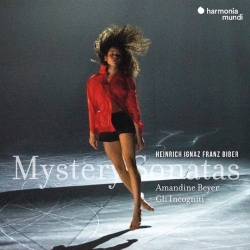
3:2
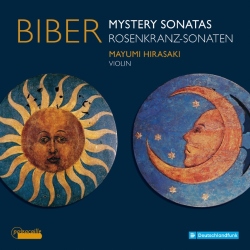
4
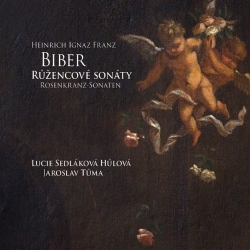
3:7
5
6:46
6
3:1
7
3:31
9
6:1
10
10:4