


Franz Joseph Haydn
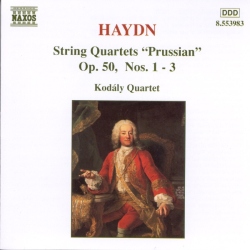
String Quartet No. 37 in C major, Op. 50/2, H. 3/45
Released Album
Recent Album
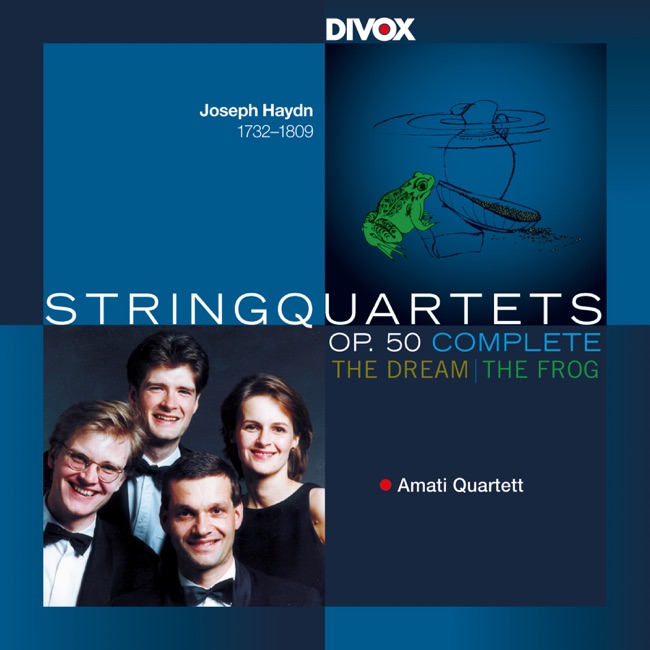
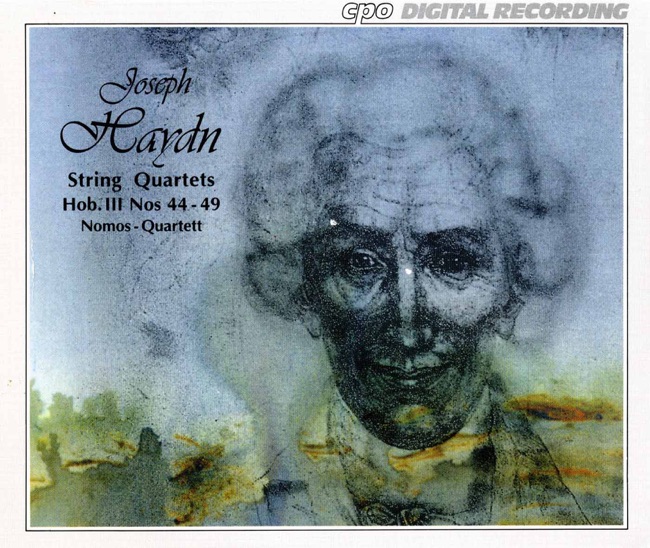
Works Info
Composer:Franz Joseph HaydnGenre:ChamberStyle:QuartetCompose Date:1787Average_duration:23:11Movement_count:4Movement ....Franz Joseph Haydn's String Quartet No. 37 in C major, Op. 50/2, H. 3/45, also known as the "Frog" quartet, was composed in 1787. It was premiered in Vienna by the composer himself and his colleagues from the Esterházy court orchestra. The quartet is part of a set of six quartets that Haydn composed for the Viennese publisher Artaria, which he considered to be some of his best works. The quartet consists of four movements. The first movement, marked Allegro, is in sonata form and begins with a lively and energetic theme that is passed between the instruments. The second theme is more lyrical and features a prominent role for the first violin. The development section explores the themes in various keys before returning to the recapitulation. The second movement, marked Adagio, is a beautiful and expressive slow movement. It features a simple and elegant melody that is passed between the instruments, with the first violin taking the lead. The movement is notable for its use of chromaticism and expressive harmonies. The third movement, marked Menuetto, is a playful and light-hearted scherzo. It features a catchy and rhythmic main theme that is contrasted with a more lyrical trio section. The movement is notable for its use of pizzicato, which gives it a unique and distinctive character. The final movement, marked Allegro molto, is a lively and energetic rondo. It features a catchy and memorable main theme that is passed between the instruments. The movement is notable for its use of a "croaking" motif, which gives it the nickname "Frog" quartet. The movement builds to a thrilling conclusion, with the instruments playing off each other in a virtuosic display of skill. Overall, Haydn's String Quartet No. 37 in C major is a masterpiece of the string quartet genre. It showcases Haydn's mastery of form, melody, and harmony, and is notable for its playful and inventive character. The quartet remains a beloved and popular work in the classical repertoire.More....
Works Music
Released Music
1
7:7
2
9:30
5
11:31
6
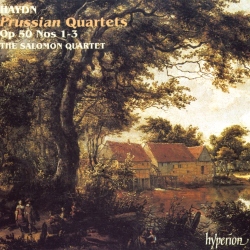
10:19
7
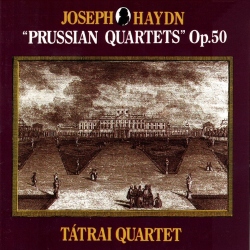
7:9