William Mundy
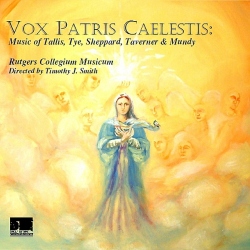
Vox Patris Caelestis
Released Album
Recent Album
-
-
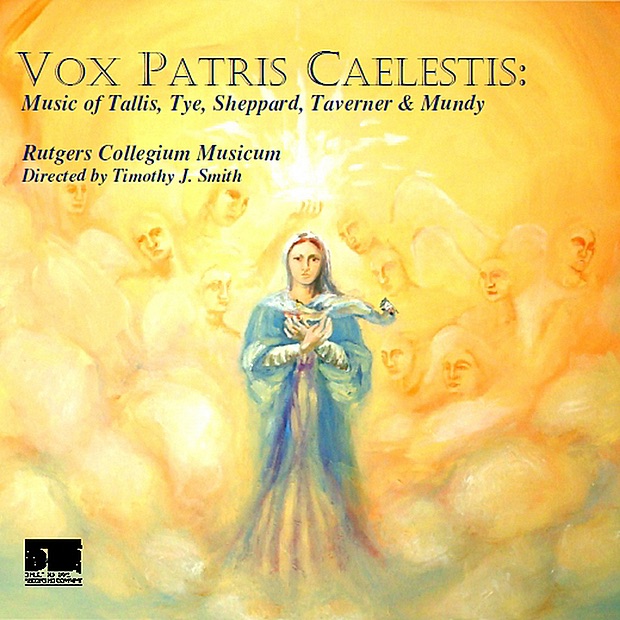 Timothy J. SmithOctober 25, 2009
 -

-

-

-
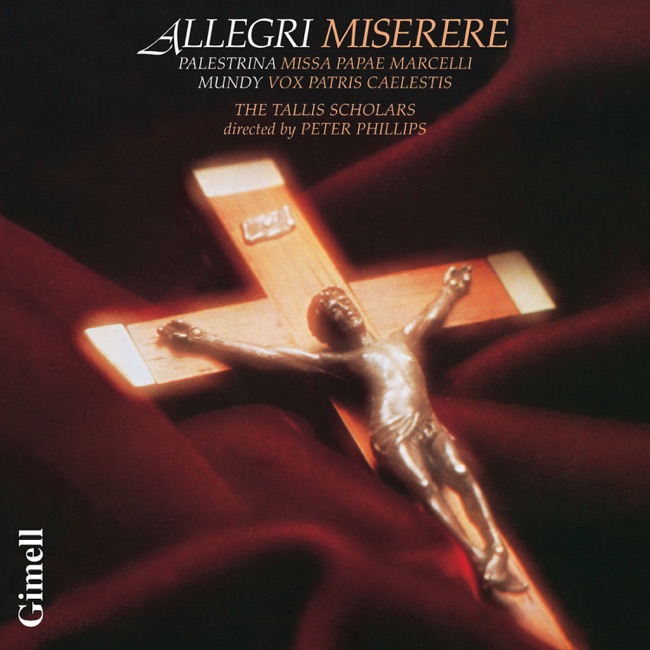
Featured Album
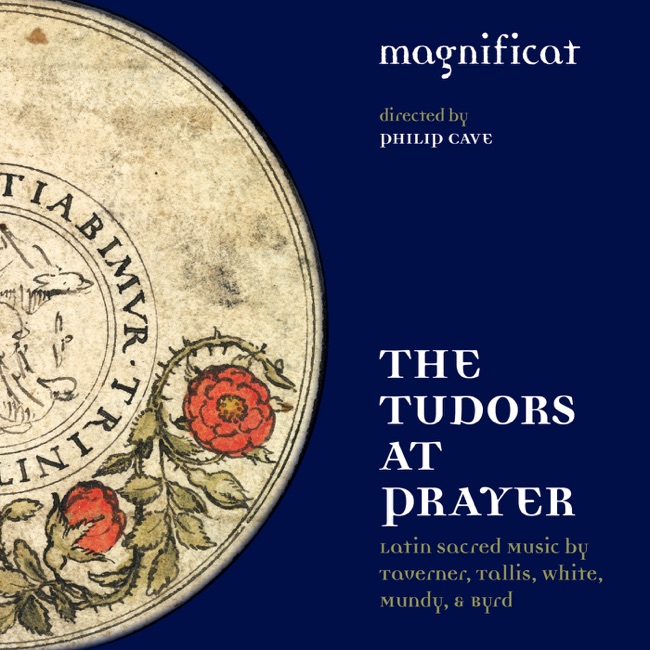
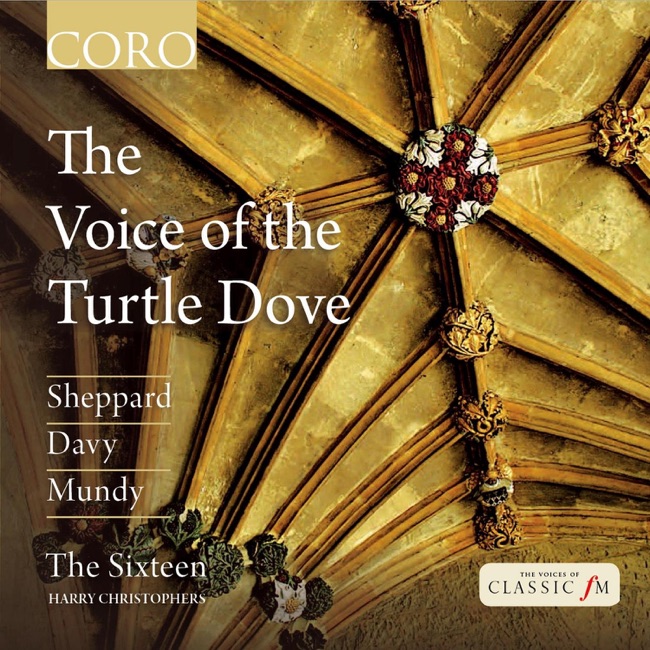
Works Info
Composer:William MundyGenre:VocalStyle:Part SongAverage_duration:18:16William Mundy's 'Vox Patris Caelestis' is a six-part motet that was composed during the Renaissance period. The exact date of composition is unknown, but it is believed to have been written in the mid-16th century. The piece was first performed during the reign of Queen Mary I of England, who was known for her patronage of Catholic music. The motet is divided into three movements, each with its own distinct character. The first movement is marked by a slow and solemn tempo, with the voices entering one by one to create a rich and layered texture. The second movement is more lively and rhythmic, with a faster tempo and a more complex interplay between the voices. The final movement returns to the slower tempo of the first, with a more contemplative and introspective mood. One of the most striking characteristics of 'Vox Patris Caelestis' is its use of polyphony, or the interweaving of multiple independent melodies. Mundy was a master of this technique, and the motet showcases his skill in creating intricate and harmonically rich textures. The piece also features a range of vocal techniques, including imitative counterpoint, homophonic textures, and expressive melodic lines. Another notable aspect of 'Vox Patris Caelestis' is its use of Latin text, which was common in Catholic liturgical music of the time. The text is taken from a hymn to St. John the Baptist, and the motet is dedicated to the saint. The lyrics speak of the voice of the heavenly Father, calling out to his people and guiding them on their spiritual journey. Overall, 'Vox Patris Caelestis' is a masterpiece of Renaissance choral music, showcasing the skill and artistry of William Mundy. Its intricate polyphony, expressive melodies, and rich harmonies make it a timeless work of sacred music that continues to be performed and appreciated today.More....