


William Mundy
Released Album
Choral
-
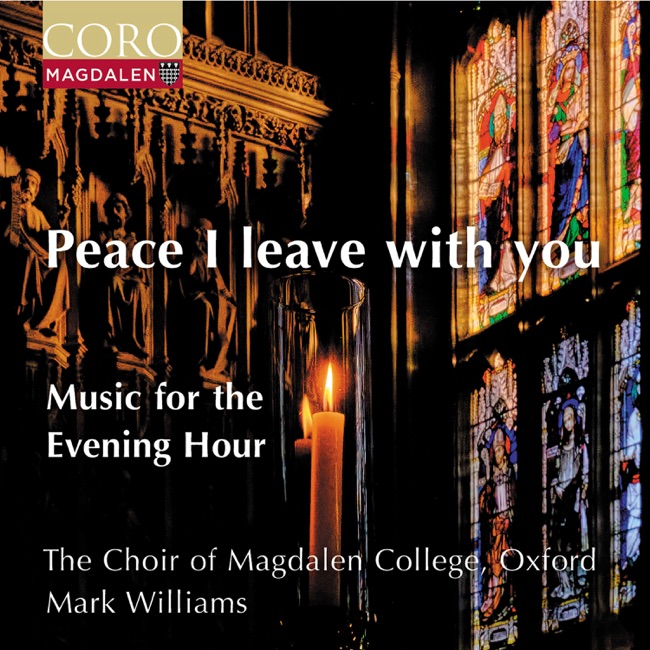 April 5, 2024
 -
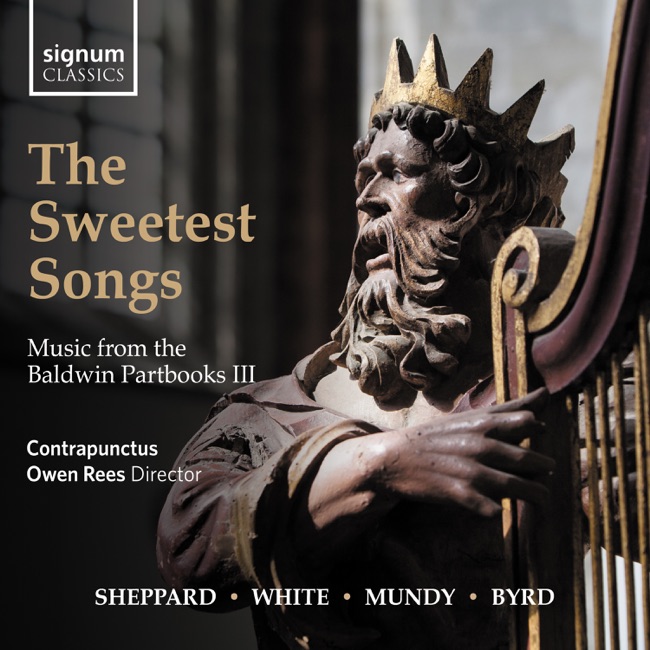 February 12, 2021
 -
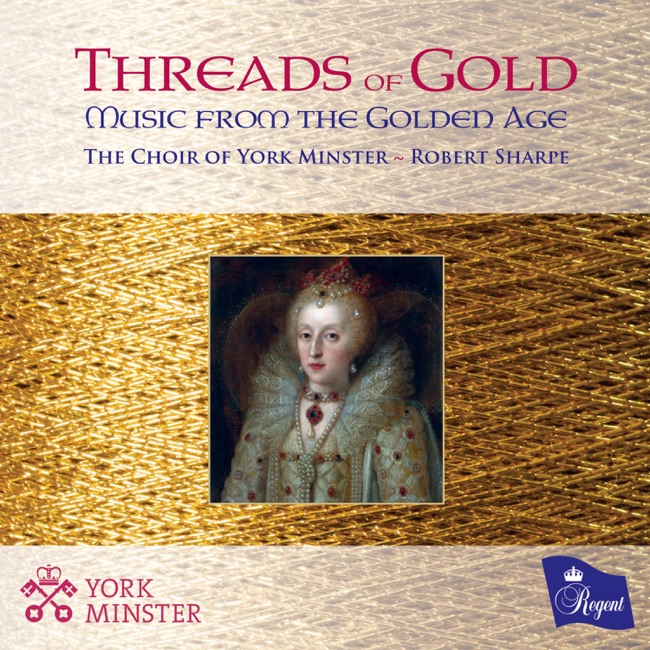 February 24, 2017
 -
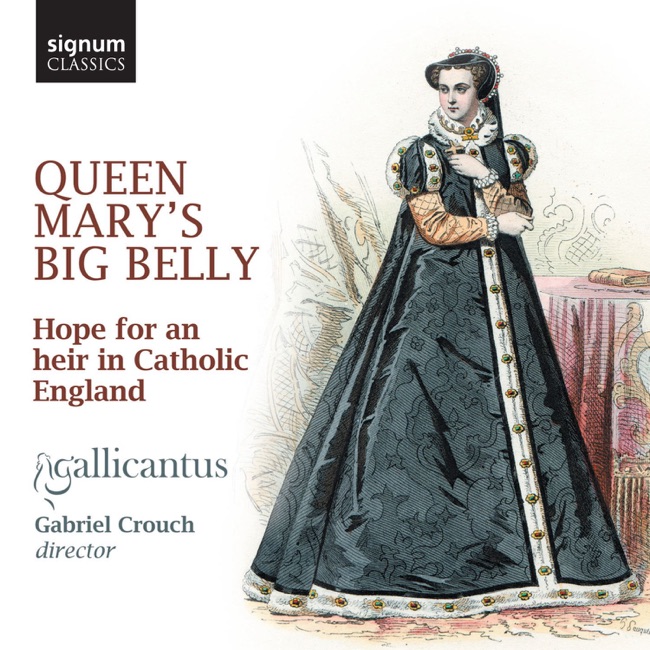 February 3, 2017
 -
 June 27, 2006
 -
 March 21, 1995
Vocal
-
 October 28, 2016
 -
 May 19, 2014
 -
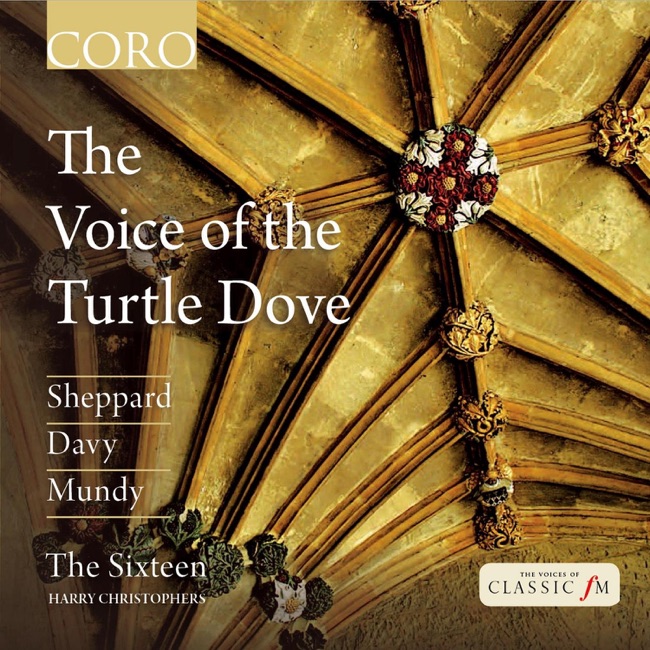 February 3, 2014
 -
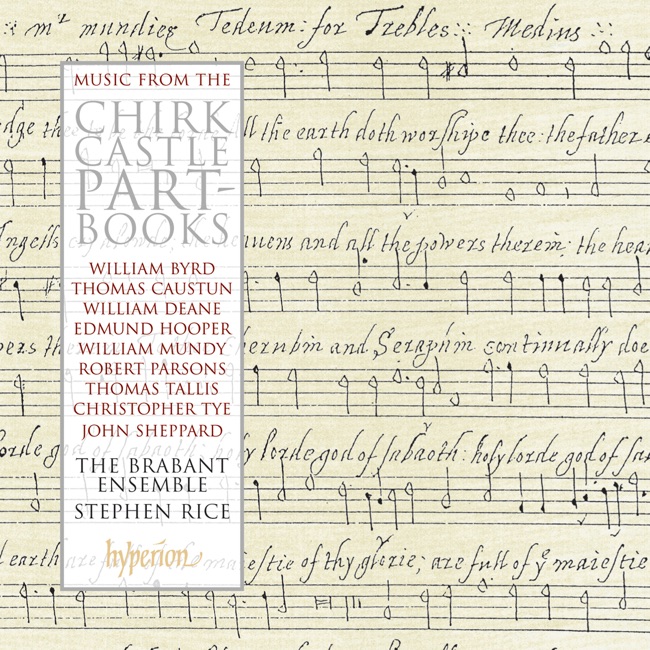 April 6, 2009
Chamber
-
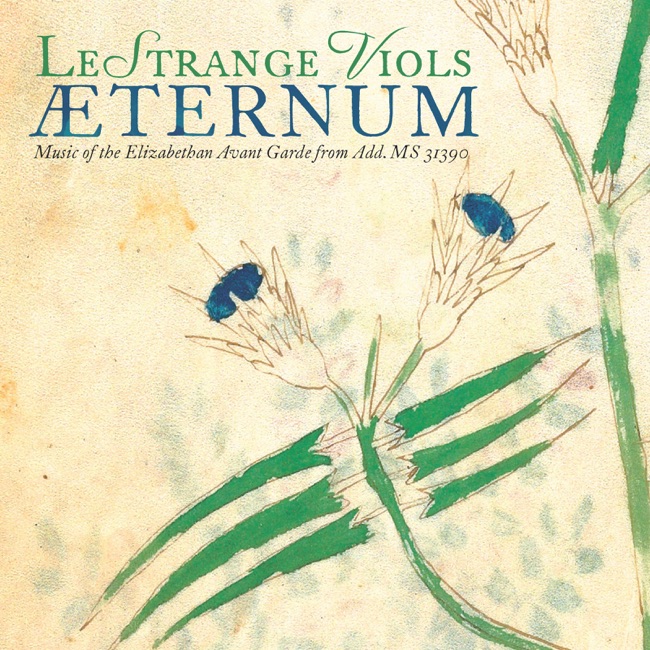 April 20, 2018
Artist Info
Role:ComposerCountry: United KingdomBirth:1529Death:October 12, 1591Period:RenaissanceGenre:ChoralVocalWilliam Mundy was a prominent English composer of the Renaissance period, known for his contributions to sacred choral music. He was born in London in 1529, during the reign of King Henry VIII, and little is known about his early life and musical training. However, it is believed that he received his education at the choir school of St. Paul's Cathedral, where he likely developed his skills as a singer and composer. Mundy's career as a musician began in the 1540s, when he joined the choir of Westminster Abbey as a singer. He remained there for several years, during which time he likely honed his skills as a composer and gained exposure to the latest trends in sacred music. In the late 1540s, Mundy left Westminster Abbey and joined the choir of the Chapel Royal, where he served as a singer and composer for the rest of his life. Mundy's early compositions were likely influenced by the works of his contemporaries, including Thomas Tallis and William Byrd. However, he soon developed his own distinctive style, characterized by rich harmonies, expressive melodies, and a deep understanding of the text. Mundy's music was primarily intended for use in the Anglican liturgy, and he composed a wide range of works, including anthems, motets, and hymns. One of Mundy's most famous works is his setting of the Magnificat, a hymn of praise to the Virgin Mary. This piece, which is scored for four voices, is notable for its intricate harmonies and expressive melodies. Another notable work is Mundy's setting of the Nunc Dimittis, a hymn of thanksgiving that is often sung at the end of evening services. This piece, which is also scored for four voices, is characterized by its rich harmonies and soaring melodies. Mundy's music was highly regarded during his lifetime, and he was widely recognized as one of the leading composers of his generation. His works were performed regularly in the chapels and cathedrals of England, and he was often called upon to compose music for special occasions, such as royal weddings and coronations. Despite his success as a composer, Mundy remained a relatively obscure figure in the history of music. This is partly due to the fact that many of his works were lost or destroyed over time, and only a small number of his compositions have survived to the present day. However, his surviving works are considered to be among the finest examples of English Renaissance music, and they continue to be performed and studied by musicians and scholars around the world. In addition to his work as a composer, Mundy was also a respected music teacher and mentor. He trained a number of young musicians during his career, including his own son, John Mundy, who went on to become a successful composer in his own right. William Mundy died in 1591, at the age of 62. Despite his relatively short life, he left behind a rich legacy of music that continues to inspire and delight audiences today. His works are a testament to the power of music to uplift the soul and bring people together in worship and celebration.More....
Recent Artist Music



Copyright Ⓒ 2013 Davinci Finger. All rights reseved
Service Terms & Policy