William Mundy
Adolescentulus Sum Ego
Released Album
Recent Album

Featured Album
Works Info
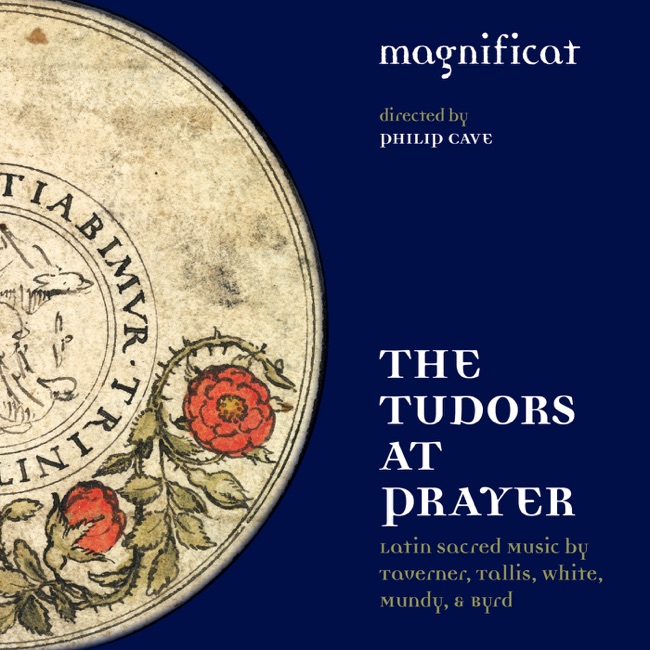
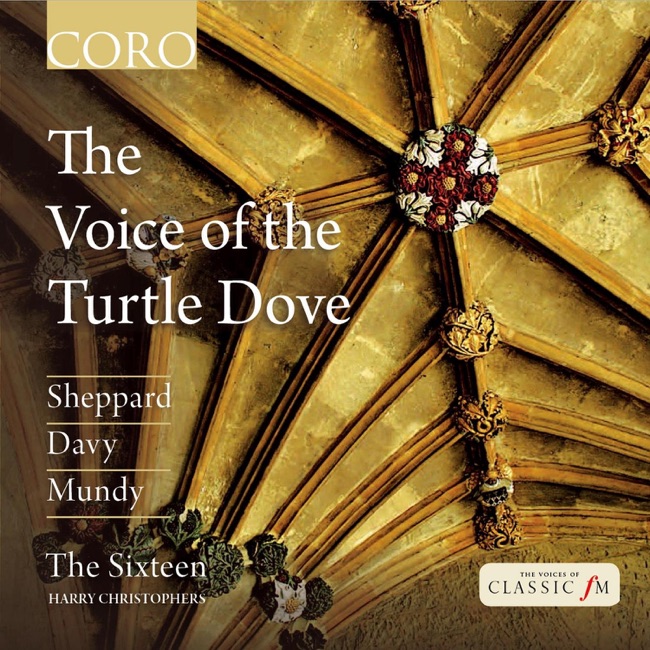
Composer:William MundyGenre:VocalStyle:Part SongAverage_duration:5:48'Adolescentulus Sum Ego' is a choral work composed by William Mundy, an English Renaissance composer, in the 16th century. The piece is believed to have been composed in the 1550s or 1560s, during the reign of Queen Mary I. The work is written for four voices, with the text taken from Psalm 119:141-144. The piece is in Latin, and the title translates to "I am a little child." The text speaks of the speaker's youth and inexperience, and their reliance on God's guidance and protection. 'Adolescentulus Sum Ego' is a motet, a type of choral work that was popular in the Renaissance. The piece is divided into three movements, each with its own distinct character. The first movement is slow and contemplative, with the voices singing in a homophonic texture. The second movement is faster and more lively, with the voices singing in a polyphonic texture. The third movement returns to the slower tempo of the first, with the voices once again singing in a homophonic texture. The piece is characterized by its use of imitative polyphony, in which the voices take turns singing the same melody. This creates a sense of unity and coherence throughout the piece, while also allowing each voice to have its own moment in the spotlight. The harmonies are rich and complex, with dissonances and suspensions adding tension and drama to the music. 'Adolescentulus Sum Ego' is a beautiful example of Renaissance choral music, with its intricate harmonies and expressive text setting. It remains a popular piece in the choral repertoire, and is often performed by choirs around the world.More....
Works Music
Released Music

Featured Music