


Jan Pieterszoon Sweelinck
Estans assis aux rives aquatiques (Psalm 137)
Released Album
Recent Album


Works Info
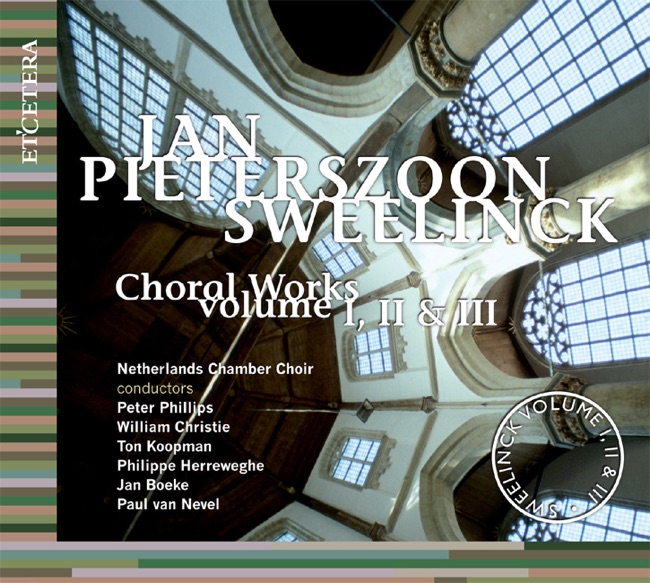
Composer:Jan Pieterszoon SweelinckGenre:ChoralStyle:PsalmPublication Date:1604Average_duration:2:37Jan Pieterszoon Sweelinck was a Dutch composer and organist who lived from 1562 to 1621. He was one of the most important composers of the late Renaissance and early Baroque periods, and his music had a significant influence on the development of the North German organ school. One of Sweelinck's most famous works is "Estans assis aux rives aquatiques (Psalm 137)," which was composed in the early 17th century. The piece is a setting of Psalm 137, which is a lamentation of the Israelites in exile in Babylon. The text of the psalm speaks of the sadness and longing of the exiles, who remember their homeland and the temple of Jerusalem. "Estans assis aux rives aquatiques" is a choral work for four voices, and it is written in the style of a French chanson. The piece is divided into three movements, each of which has its own distinct character and mood. The first movement is marked "Lentement," and it begins with a slow, mournful melody in the alto voice. The other voices gradually enter, and the music builds to a climax before subsiding again into a quiet, reflective mood. The text of this movement speaks of the exiles' longing for their homeland and their memories of the temple. The second movement is marked "Vivement," and it is much more lively and energetic than the first. The music is characterized by rapid, rhythmic figures and lively counterpoint between the voices. The text of this movement speaks of the exiles' determination to remember their homeland and their faith in God's promise to restore them to their land. The third movement is marked "Lentement," like the first, and it returns to the mournful mood of the opening. The music is characterized by long, flowing lines and rich harmonies. The text of this movement speaks of the exiles' sadness and despair, as they remember their homeland and the temple that has been destroyed. Overall, "Estans assis aux rives aquatiques" is a powerful and moving work that captures the sadness and longing of the exiles in Babylon. Sweelinck's use of rich harmonies, expressive melodies, and lively counterpoint make this piece a masterpiece of the late Renaissance period.More....
Works Music
Released Music
1

2:54
2
Estans sitting on the banks of the water (Psalm 137)
Psalm 137: Estans assis aux rives aquatiques (à 4)
2:18
3
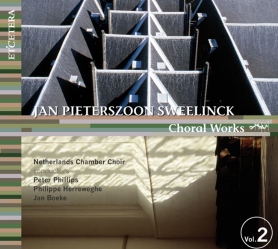
2:18
4
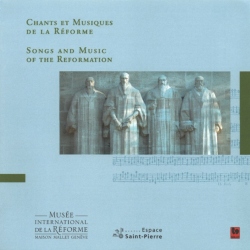
1:58
5

2:18
Main Perform Artists
Organ, Virginal
Baroque Violin
Viol
Cornet, Shawm
Cello, Viol
Lute