William Byrd
Sermone blando a 3, for instrumental consort
Released Album
Recent Album
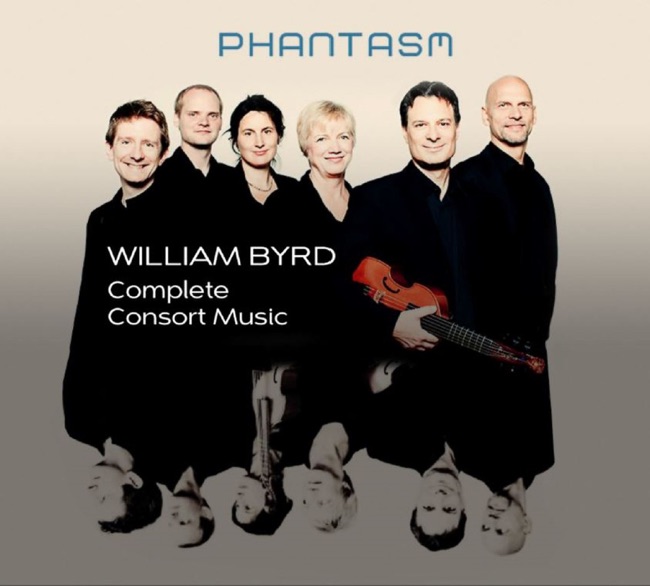
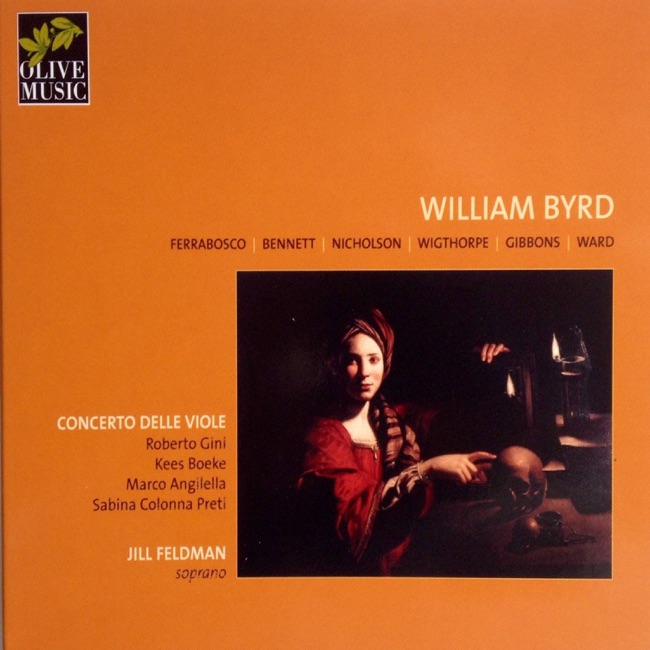
Works Info
Composer:William ByrdGenre:ChamberStyle:Chamber MusicAverage_duration:3:04William Byrd was a prominent English composer of the Renaissance period, known for his contributions to sacred and secular music. One of his notable works is the 'Sermone blando a 3, for instrumental consort', which was composed in the late 16th century. The 'Sermone blando a 3' is a piece of instrumental music that was written for a consort of instruments, which typically included a combination of viols, recorders, and other instruments. The piece is believed to have been composed around 1590, during a time when Byrd was at the height of his career. The 'Sermone blando a 3' is divided into three movements, each of which has its own distinct characteristics. The first movement is marked by a slow and stately tempo, with a gentle and flowing melody that is carried by the viols. The second movement is more lively and upbeat, with a faster tempo and a more complex interplay between the different instruments. The final movement returns to a slower tempo, with a more contemplative and introspective mood. One of the defining characteristics of the 'Sermone blando a 3' is its use of counterpoint, which is a technique that involves the interweaving of multiple melodies to create a complex and harmonious whole. Byrd was known for his mastery of counterpoint, and this piece is a prime example of his skill in this area. Overall, the 'Sermone blando a 3' is a beautiful and intricate piece of music that showcases Byrd's talent as a composer. Its use of instrumental consort and counterpoint make it a significant contribution to the Renaissance repertoire, and it remains a popular piece among musicians and music lovers today.More....
Works Music
Released Music