


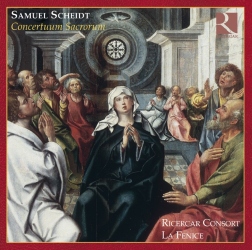
Samuel Scheidt
Veni redemptor gentium
Released Album
Recent Album
Works Info
Composer:Samuel ScheidtGenre:ChamberStyle:Chamber MusicAverage_duration:4:41Veni redemptor gentium is a hymn composed by Samuel Scheidt in the early 17th century. The hymn is based on a Latin poem written by St. Ambrose in the 4th century. The poem is a celebration of the birth of Christ and is divided into seven stanzas, each of which focuses on a different aspect of the Nativity. Scheidt's setting of the hymn is for four voices and is written in the style of a motet. The piece is characterized by its use of imitative polyphony, in which each voice enters in turn with the same melody. The melody is then developed and elaborated upon as the voices weave in and out of each other. The piece is divided into seven movements, each corresponding to one of the stanzas of the poem. The first movement begins with a simple statement of the melody in the soprano voice, which is then imitated by the other voices. The second movement is more complex, with the voices weaving in and out of each other in a more intricate pattern. The third movement is a duet between the alto and tenor voices, with the soprano and bass voices providing a simple accompaniment. The fourth movement is a lively dance-like section, with the voices imitating each other in a playful manner. The fifth movement is a more contemplative section, with the voices singing in a more subdued manner. The sixth movement is a return to the lively dance-like style of the fourth movement, with the voices imitating each other in a more complex pattern. The final movement is a grand finale, with all four voices singing together in a triumphant celebration of the birth of Christ. The piece ends with a final statement of the melody in the soprano voice, bringing the piece to a satisfying conclusion. Overall, Veni redemptor gentium is a beautiful and complex piece of music that showcases Scheidt's skill as a composer. Its use of imitative polyphony and intricate patterns make it a challenging piece for performers, but its beauty and complexity make it a rewarding piece for both performers and listeners alike.More....
Works Music
Released Music
Main Perform Artists