


Henry Purcell
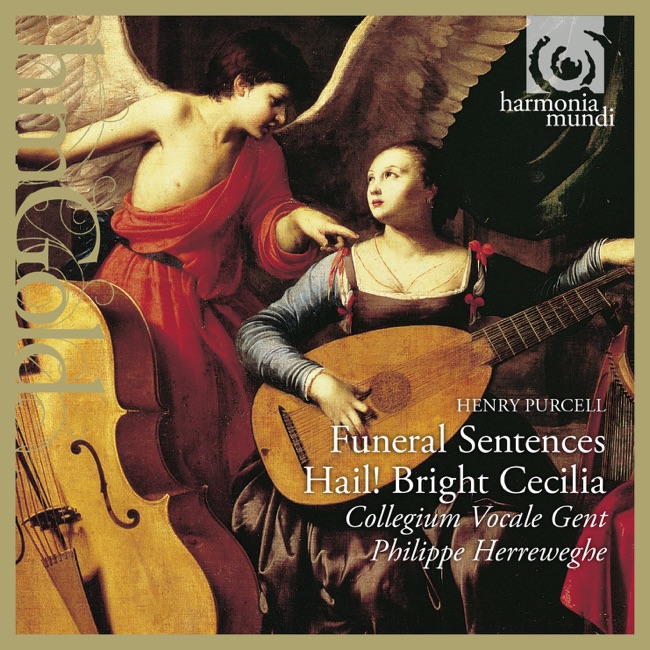
Hail, bright Cecilia, Z. 328
Released Album
Recent Album


Featured Album
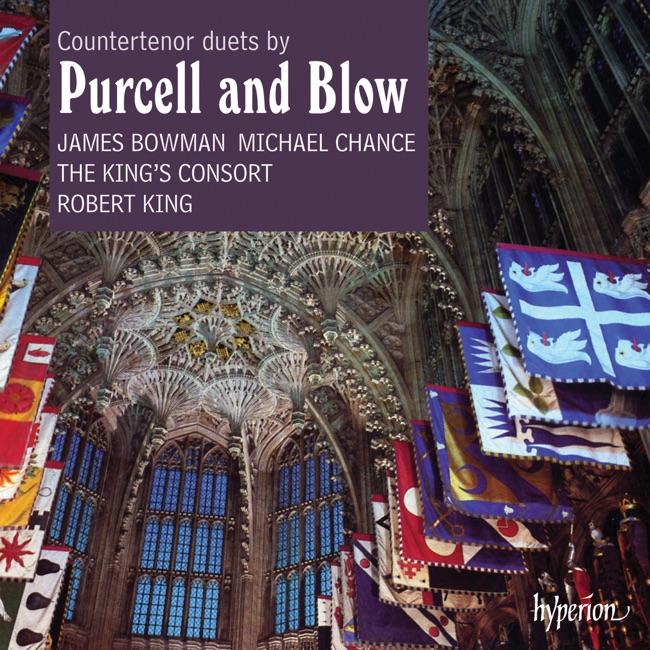
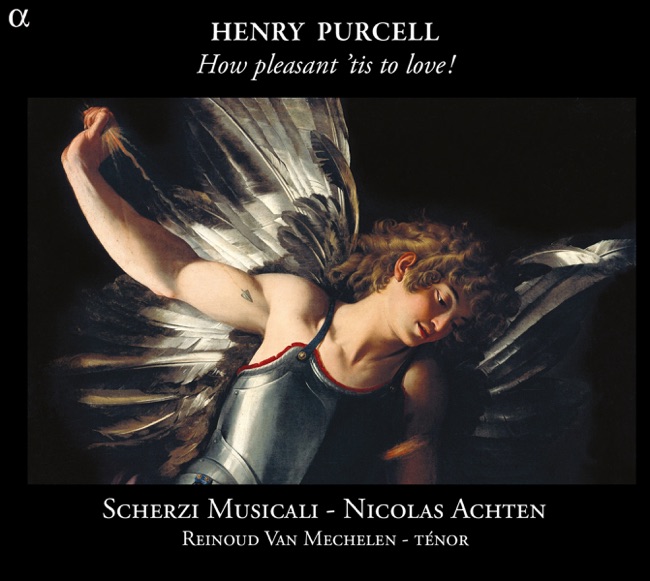
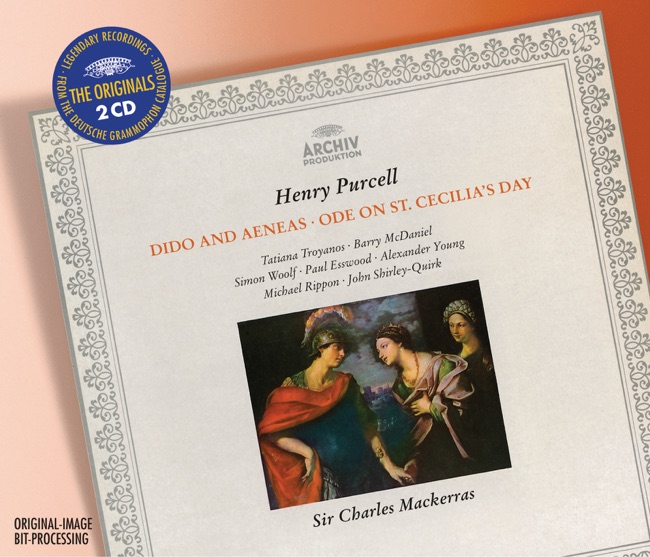
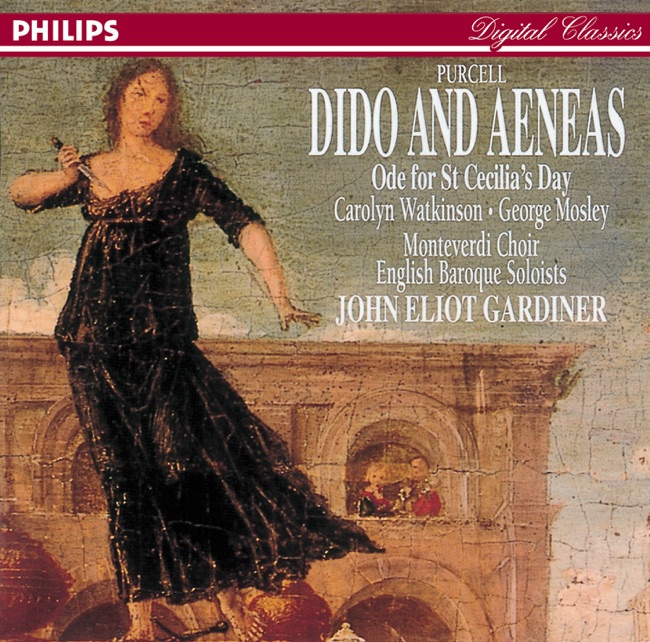
Works Info
Composer:Henry PurcellGenre:ChoralStyle:OdeCompose Date:1692Average_duration:48:52Movement_count:24Movement ....Hail, bright Cecilia, Z. 328 is a choral ode composed by Henry Purcell in 1692. It was written to celebrate the feast day of St. Cecilia, the patron saint of music. The piece was first performed on November 22, 1692, at Stationers' Hall in London. The ode is divided into eleven movements, each with its own distinct character and musical style. The first movement, "Hail, bright Cecilia," is a grand chorus that sets the tone for the entire piece. It features a lively and celebratory melody, with the choir singing in unison and the orchestra providing a rich and full accompaniment. The second movement, "Hark! each tree," is a solo aria for soprano that is accompanied by a solo violin. It is a beautiful and lyrical piece that showcases Purcell's skill at writing for the voice. The third movement, "Tis Nature's Voice," is a duet for two tenors that is accompanied by a solo trumpet. It is a lively and energetic piece that features a call-and-response between the two singers. The fourth movement, "Soul of the World," is a solo aria for bass that is accompanied by a solo cello. It is a contemplative and introspective piece that explores the relationship between music and the divine. The fifth movement, "Thou tun'st this world," is a duet for soprano and bass that is accompanied by a solo trumpet. It is a joyful and exuberant piece that celebrates the power of music to bring people together. The sixth movement, "With that sublime celestial lay," is a solo aria for soprano that is accompanied by a solo violin. It is a beautiful and ethereal piece that explores the transcendent nature of music. The seventh movement, "But oh! what art can teach," is a solo aria for bass that is accompanied by a solo cello. It is a reflective and melancholy piece that explores the limitations of human knowledge. The eighth movement, "Orpheus could lead the savage race," is a solo aria for tenor that is accompanied by a solo violin. It is a lively and playful piece that tells the story of Orpheus, the legendary musician who could charm even the wildest beasts with his music. The ninth movement, "But bright Cecilia," is a grand chorus that returns to the celebratory tone of the opening movement. The tenth movement, "In vain the am'rous flute," is a solo aria for soprano that is accompanied by a solo flute. It is a delicate and tender piece that explores the power of music to express the deepest emotions. The final movement, "The fife and all the harmony of war," is a grand chorus that celebrates the power of music to inspire courage and heroism. Overall, Hail, bright Cecilia is a masterful work that showcases Purcell's skill at writing for the voice and his deep understanding of the power of music to move and inspire. Its varied movements and musical styles make it a rich and rewarding listening experience, and its celebration of St. Cecilia and the power of music to bring people together continues to resonate with audiences today.More....
Works Music
Released Music


Featured Music
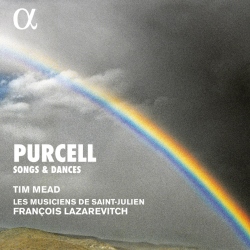
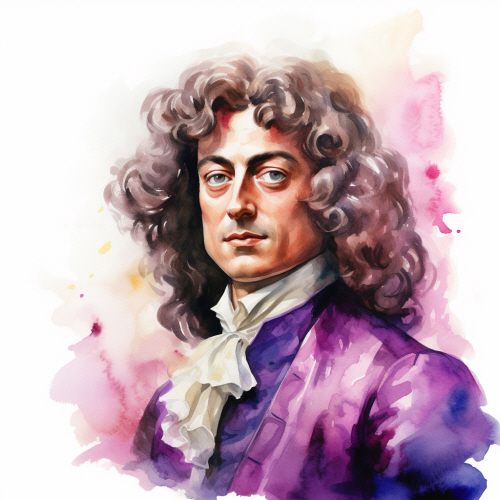
Main Perform Artists
Counter Tenor Vocal
High Tenor Vocal
Soprano Vocal
Bass Vocal
Counter Tenor Vocal
Vocals
Bass Vocal
Counter Tenor Vocal
Tenor Vocal
Tenor Vocal