Toru Takemitsu
Cassiopeia
Released Album
Recent Album
Works Info
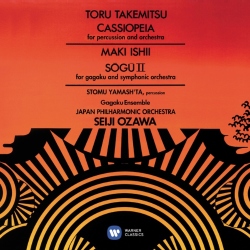
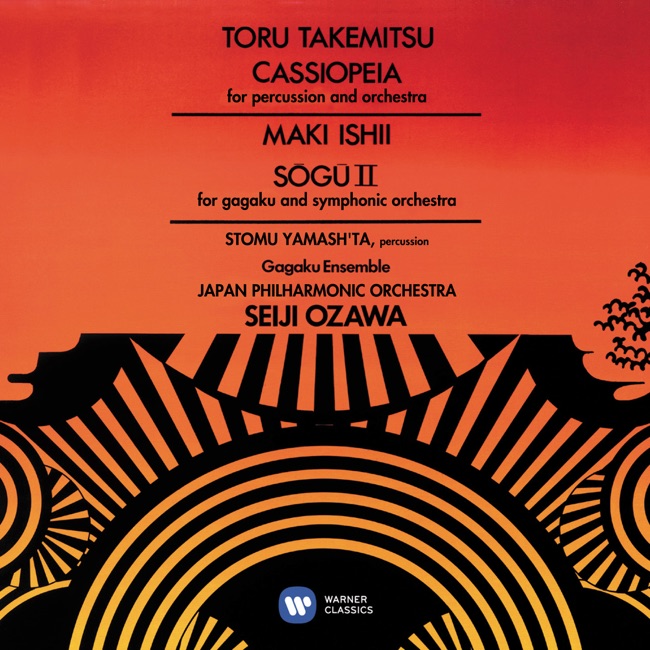
Composer:Toru TakemitsuGenre:ConcertoCompose Date:1971Cassiopeia is a composition for orchestra by the Japanese composer Toru Takemitsu. It was composed in 1971 and premiered on October 8th of the same year by the NHK Symphony Orchestra in Tokyo, conducted by Hiroyuki Iwaki. The piece is divided into three movements and has a total duration of approximately 20 minutes. The first movement, titled "Maestoso," begins with a series of dissonant chords played by the brass section. The strings then enter with a lyrical melody that is gradually developed throughout the movement. The music is characterized by its use of clusters and glissandi, which create a sense of tension and unease. The movement ends with a return to the opening chords, which are played with even greater intensity. The second movement, titled "Lento," is a slow and introspective piece that features a solo violin. The violin plays a haunting melody that is accompanied by delicate textures in the strings and woodwinds. The music is characterized by its use of silence and space, which create a sense of stillness and contemplation. The movement ends with the solo violin fading away into silence. The third movement, titled "Allegro," is a fast and energetic piece that features a driving rhythm in the percussion section. The music is characterized by its use of syncopation and irregular meters, which create a sense of excitement and unpredictability. The movement builds to a frenzied climax before coming to a sudden stop. Overall, Cassiopeia is a complex and challenging work that showcases Takemitsu's unique style and innovative approach to orchestration. The piece is characterized by its use of dissonance, silence, and unconventional techniques, which create a sense of tension and unease. Despite its difficulty, Cassiopeia has become a staple of the contemporary orchestral repertoire and is widely regarded as one of Takemitsu's most important works.More....