


Arthur Bliss
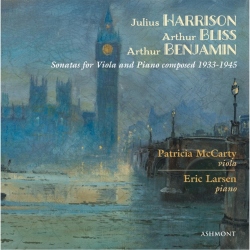
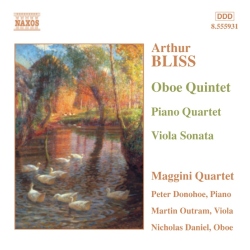
Sonata for viola & piano, Op. 52, F. 91
Released Album
Recent Album


Works Info
Composer:Arthur BlissGenre:ChamberStyle:SonataCompose Date:1933Publication Date:1934First Performance:Nov 3, 1933Average_duration:25:42Movement_count:4Movement ....Arthur Bliss composed his Sonata for Viola and Piano, Op. 52, F. 91 in 1933. The piece premiered on May 16, 1933, at the Wigmore Hall in London, with the composer himself on the piano and Lionel Tertis on the viola. The sonata consists of three movements: Allegro moderato, Andante molto, and Allegro con fuoco. The first movement, Allegro moderato, begins with a lyrical viola melody that is soon joined by the piano. The two instruments engage in a lively dialogue, with the viola taking on a more virtuosic role as the movement progresses. The middle section of the movement features a more contemplative theme, which is then developed and transformed in the final section. The second movement, Andante molto, is a slow and introspective piece that showcases the viola's rich and expressive tone. The piano provides a delicate accompaniment, with occasional bursts of energy that add to the emotional intensity of the movement. The final movement, Allegro con fuoco, is a lively and energetic piece that brings the sonata to a thrilling conclusion. The viola and piano engage in a playful and virtuosic dialogue, with both instruments taking turns to shine. The movement features a number of rhythmic and harmonic surprises, which add to its overall sense of excitement and unpredictability. Bliss's Sonata for Viola and Piano is characterized by its lyrical melodies, rich harmonies, and virtuosic writing for both instruments. The piece is a testament to the composer's skill as a writer for chamber music, and it remains a popular work in the viola repertoire to this day.More....
Works Music
Released Music
1
8:40


6
4:33