Malcolm Williamson
Santiago de Espada
Released Album
Recent Album


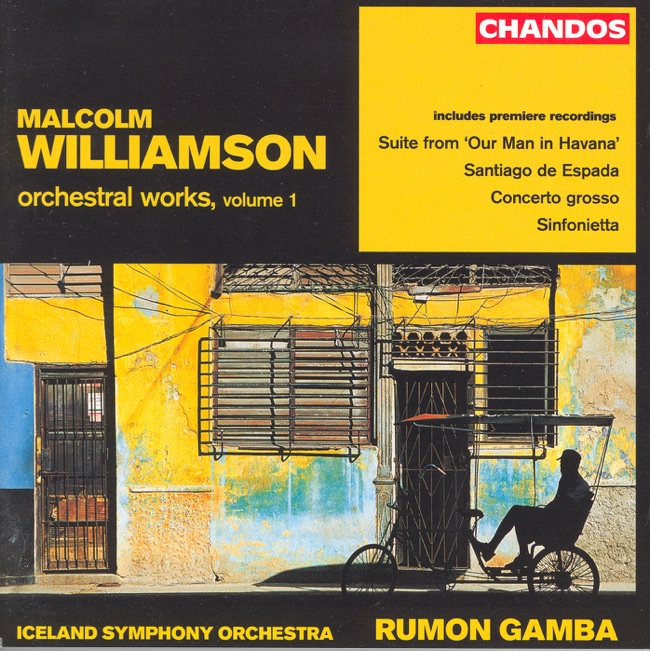
Works Info
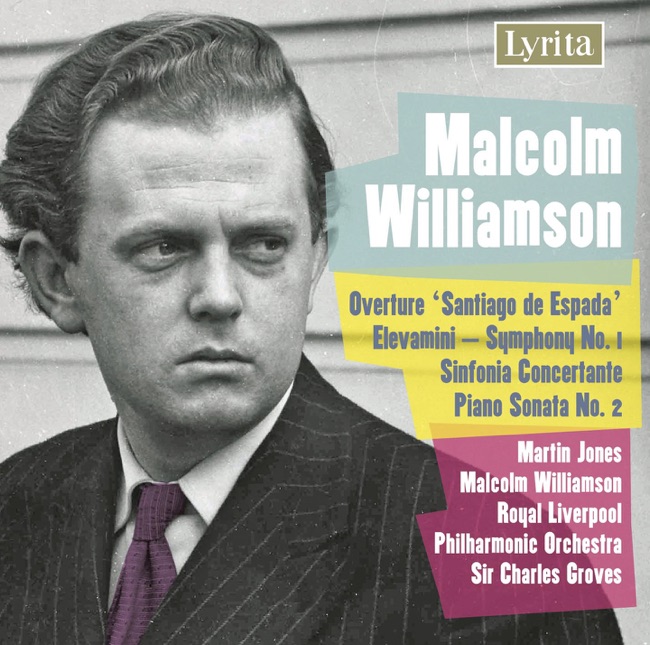
Composer:Malcolm WilliamsonGenre:OrchestralStyle:OrchestralCompose Date:1956Average_duration:6:09Santiago de Espada is a composition for orchestra by Australian composer Malcolm Williamson. It was composed in 1974 and premiered on 22 May 1975 by the London Symphony Orchestra, conducted by the composer himself. The work is divided into three movements and has a total duration of approximately 25 minutes. The first movement, titled "The Castle of Santiago de Espada," is marked Allegro con brio and is characterized by its energetic and rhythmic drive. The movement opens with a fanfare-like motif in the brass, which is then taken up by the strings and developed throughout the movement. The music is full of contrasts, with sections of intense activity alternating with more lyrical and reflective passages. The second movement, "The Garden of the Enchanted Princess," is marked Andante con moto and is more subdued in character. The music is characterized by its lush harmonies and delicate textures, with the strings and woodwinds taking center stage. The movement is structured around a recurring melody that is first introduced by the oboe and then taken up by other instruments in turn. The final movement, "The Battle of Santiago de Espada," is marked Allegro molto and is the most dramatic and intense of the three. The movement opens with a driving rhythm in the percussion, which is then taken up by the full orchestra. The music is characterized by its use of dissonance and rhythmic complexity, with the various sections of the orchestra engaging in a fierce battle of sound. The movement builds to a powerful climax before coming to a sudden and dramatic close. Overall, Santiago de Espada is a dynamic and colorful work that showcases Williamson's skill as an orchestrator. The work is full of contrasts, with moments of intense activity and drama alternating with more reflective and lyrical passages. The use of recurring motifs and themes throughout the work helps to give it a sense of unity and coherence, while the individual movements each have their own distinct character and mood.More....