


Malcolm Williamson
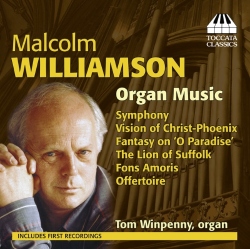
Released Album
Keyboard
-
 July 9, 2021
 -
-
 July 10, 2015
 -
 May 27, 2014
 -
 April 8, 2013
 -
Choral
-
 August 12, 2014
 -
 November 11, 2008
 -
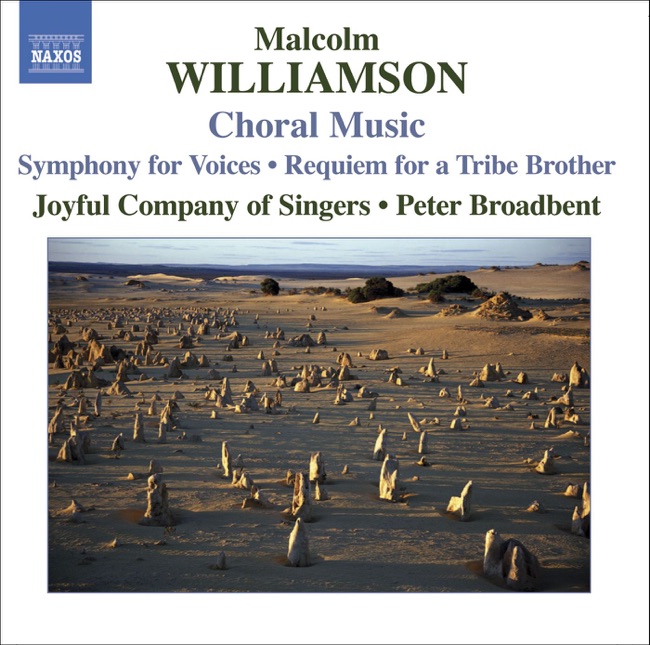 July 25, 2006
 -
 October 26, 2004
 -
 April 24, 2001
 -
 May 10, 1988
Concerto
-
 April 22, 2016
 -
 February 10, 2015
 -
-
 June 13, 2003
Orchestral
-
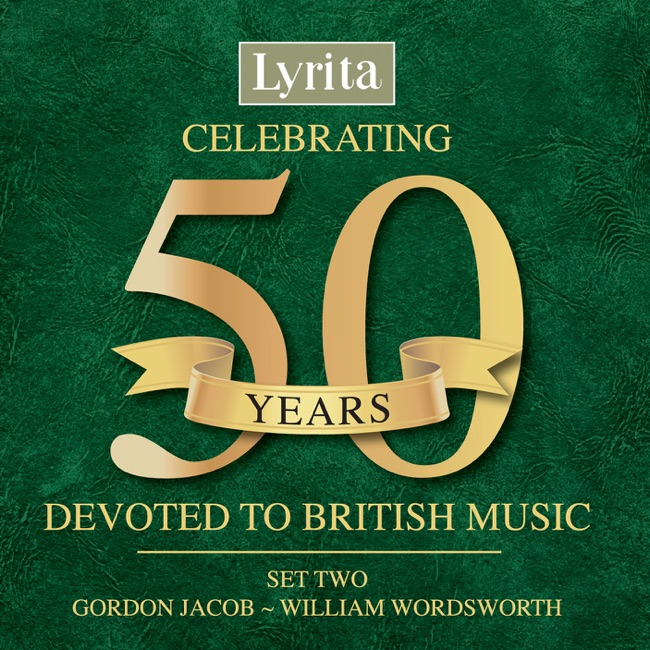 January 12, 2010
 -
 May 18, 2009
 -
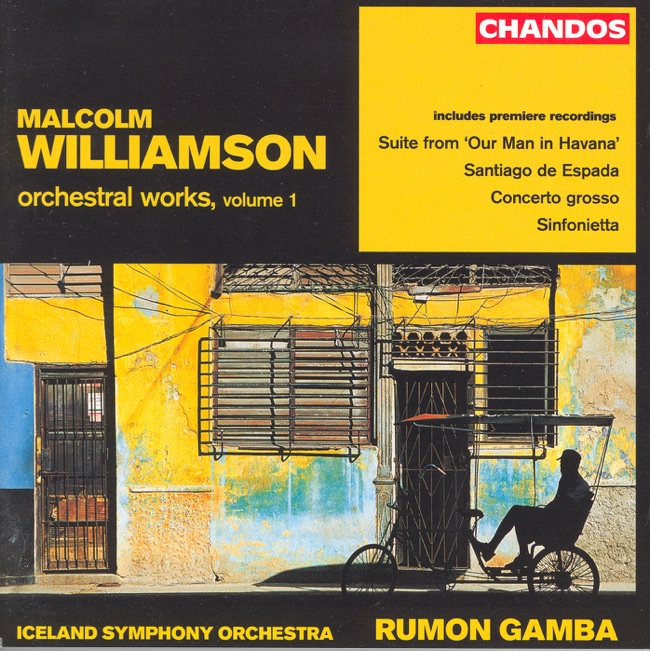 March 21, 2006
Artist Info
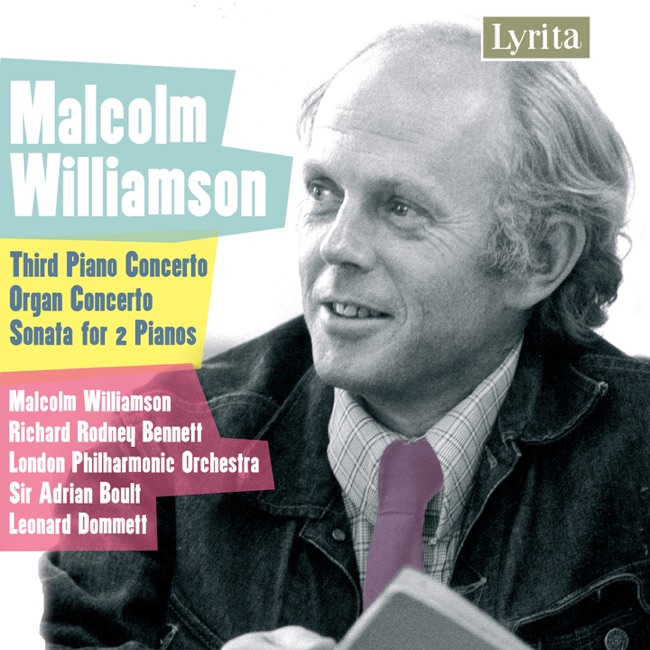
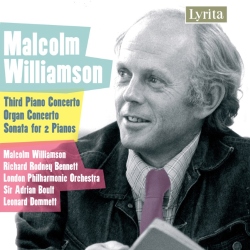
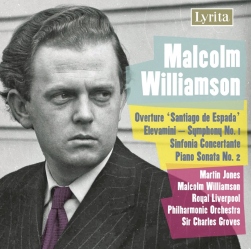
Role:ComposerCountry: AustraliaBirth:November 21, 1931 in Sydney, AustraliaDeath:March 2, 2003Period:ContemporaryGenre:ChoralFilmKeyboardMalcolm Williamson was an Australian composer and pianist who was born on November 21, 1931, in Sydney, Australia. He was the youngest of four children and grew up in a musical family. His father was a church organist, and his mother was a singer. Williamson began playing the piano at a young age and showed a natural talent for music. Williamson attended the Sydney Conservatorium of Music, where he studied piano and composition. He was a gifted student and won several awards for his compositions. In 1950, he was awarded the prestigious Harkness Fellowship, which allowed him to study in the United States. He spent two years studying at the Eastman School of Music in Rochester, New York, where he studied with the renowned composer Bernard Rogers. After completing his studies in the United States, Williamson returned to Australia and began his career as a composer and pianist. He quickly gained a reputation as one of Australia's most promising young composers. In 1957, he was appointed as the resident composer for the Australian Broadcasting Corporation, a position he held for three years. In 1960, Williamson moved to London, where he continued to compose and perform. He quickly established himself as a leading figure in the British music scene. In 1975, he was appointed as the Master of the Queen's Music, a position he held until his death in 2003. Throughout his career, Williamson composed a wide range of music, including orchestral works, chamber music, choral music, and operas. His music was often characterized by its lyrical melodies, colorful harmonies, and rhythmic vitality. One of Williamson's most famous works is his Symphony No. 4, which he composed in 1964. The symphony is a powerful and dramatic work that showcases Williamson's skill as an orchestrator. It features a wide range of musical textures and colors, from the delicate and ethereal to the bold and dramatic. Another notable work by Williamson is his Piano Concerto No. 2, which he composed in 1976. The concerto is a virtuosic work that showcases Williamson's skill as a pianist as well as a composer. It features a wide range of musical styles, from the lyrical and expressive to the fast and frenetic. In addition to his instrumental works, Williamson also composed a number of operas. One of his most famous operas is Our Man in Havana, which he composed in 1963. The opera is based on the novel by Graham Greene and tells the story of a vacuum cleaner salesman who becomes embroiled in a spy plot in Cuba. The opera is a witty and satirical work that showcases Williamson's skill as a composer of vocal music. Throughout his career, Williamson received numerous awards and honors for his contributions to music. In 1976, he was awarded the CBE (Commander of the Order of the British Empire) for his services to music. In 1981, he was awarded the Order of Australia for his contributions to Australian music. And in 2003, he was posthumously awarded the Order of Merit, one of the highest honors that can be bestowed upon a British citizen. Malcolm Williamson was a prolific and talented composer who made significant contributions to the world of classical music. His music continues to be performed and enjoyed by audiences around the world, and his legacy as one of Australia's greatest composers is secure.More....
Recent Artist Music
1
3:9
13
5:32
14
6:32
Copyright Ⓒ 2013 Davinci Finger. All rights reseved
Service Terms & Policy