


Thea Musgrave
Released Album
Chamber
-
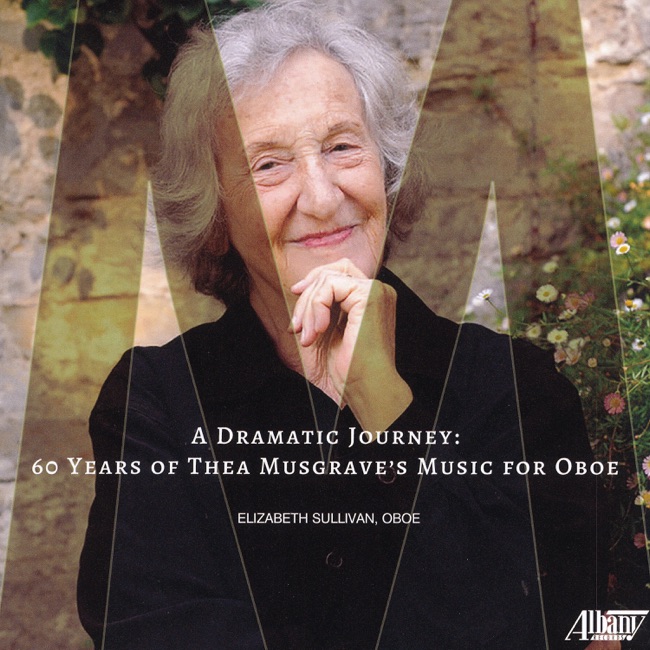 November 20, 2020
 -
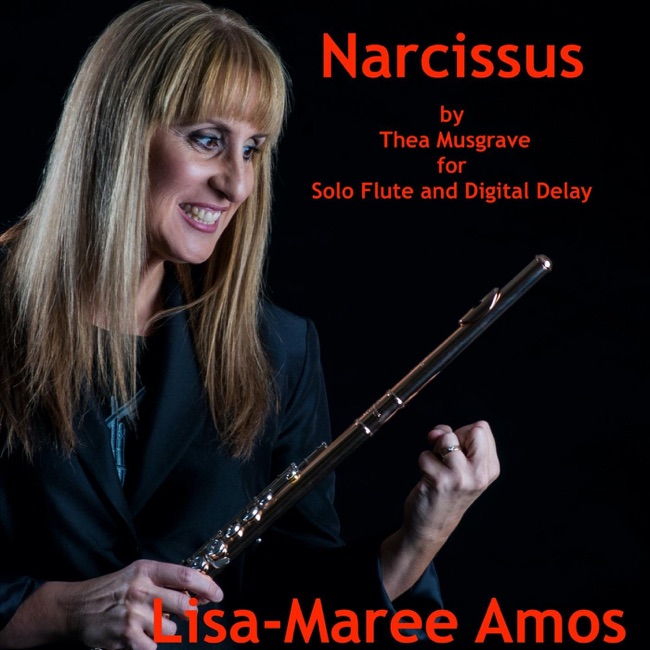 October 31, 2020
 -
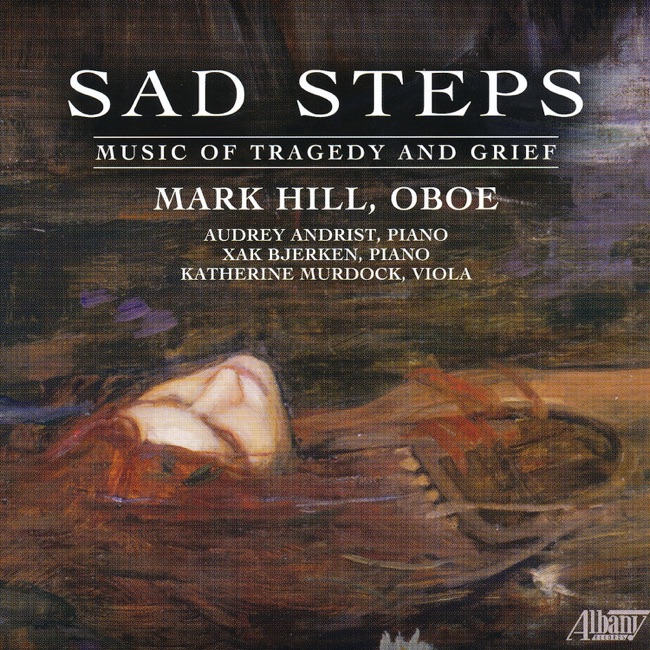 April 6, 2015
 -
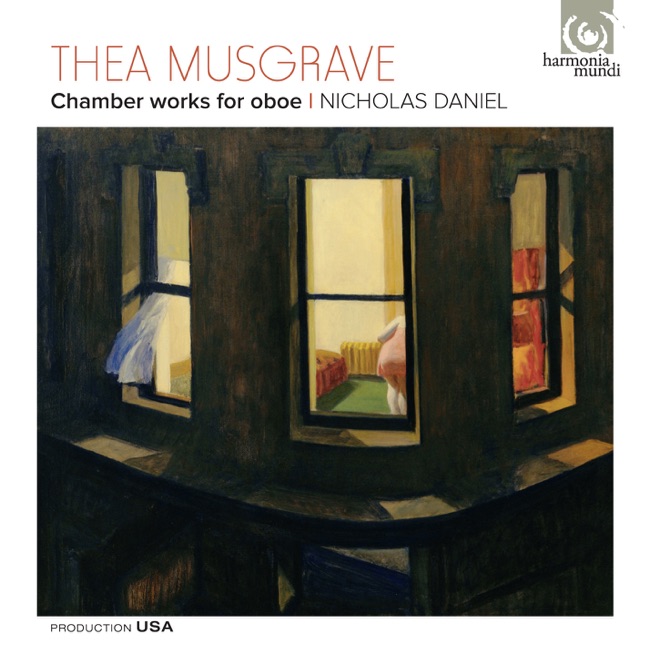 March 26, 2013
 -
 January 11, 2011
 -
 January 1, 2009
Concerto
-
 September 30, 2003
 -
 November 26, 2002
 -
Vocal
-
 November 2, 2018
 -
 September 27, 2011
 -
 March 31, 2009
 -
 November 21, 2000
Orchestral
-
 July 5, 2019
 -
 March 31, 2014
 -

-
 March 1, 2003
Artist Info
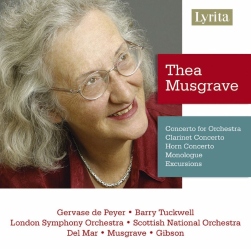
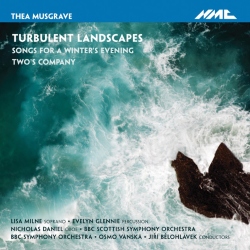
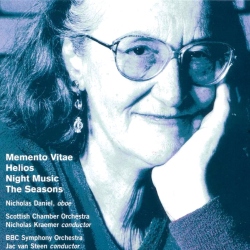
Role:Composer ConductorCountry: United KingdomBirth:May 27, 1928 in Barnton, Midlothian, ScotlandPeriod:ContemporaryModernGenre:ChamberConcertoOrchestralThea Musgrave is a Scottish composer who has made significant contributions to the world of classical music. Born on May 27, 1928, in Barnton, Edinburgh, Musgrave grew up in a family that valued music. Her father was a keen amateur musician, and her mother was a singer. Musgrave started playing the piano at a young age and showed a natural talent for music. She attended the University of Edinburgh, where she studied music and earned a degree in 1950. After completing her studies, Musgrave moved to Paris to study with Nadia Boulanger, a renowned composer and teacher. Boulanger was impressed with Musgrave's talent and encouraged her to pursue a career in composition. Musgrave's time in Paris was a formative period in her life, and she was exposed to a wide range of musical styles and techniques. In 1954, Musgrave moved to the United States to study at the Tanglewood Music Center in Massachusetts. There, she studied with Aaron Copland, a prominent American composer. Copland's influence can be heard in Musgrave's early works, which often feature folk melodies and rhythms. Musgrave's early compositions were well-received, and she quickly gained a reputation as a talented composer. In 1958, she won the Gaudeamus International Composers Award for her work "Orfeo I." This was the first of many awards and honors that Musgrave would receive throughout her career. Throughout the 1960s and 1970s, Musgrave continued to compose and experiment with different musical styles. Her works during this period often featured unconventional instrumentation and techniques. For example, her 1969 work "Space Play" was written for a chamber ensemble and included electronic sounds. In the 1980s, Musgrave's music became more introspective and personal. Her works during this period often explored themes of mortality and the human condition. One of her most famous works from this period is "Mary, Queen of Scots," an opera that premiered in 1977. The opera tells the story of Mary Stuart, the Queen of Scotland, and her struggle for power and survival. Musgrave's later works continued to explore new musical ideas and techniques. In 1994, she composed "Rainbow," a work for orchestra that features a solo violin. The piece was inspired by the colors of the rainbow and the emotions they evoke. Throughout her career, Musgrave has been recognized for her contributions to classical music. She has received numerous awards and honors, including the Queen's Medal for Music in 2017. Musgrave's music has been performed by some of the world's leading orchestras and ensembles, and she continues to be an influential figure in the world of classical music. In conclusion, Thea Musgrave is a Scottish composer who has made significant contributions to the world of classical music. Her early works were influenced by folk music and Aaron Copland, while her later works explored themes of mortality and the human condition. Musgrave's music has been recognized with numerous awards and honors, and she continues to be an influential figure in the world of classical music.More....
Recent Artist Music
5
6:50
6
20:26


15
PowerPlay
Power Play for Flute, Oboe, Clarinet, Bass Clarinet, Bassoon, Horn, Trumpet , Keyboard, Violin and Cello
6:34

Copyright Ⓒ 2013 Davinci Finger. All rights reseved
Service Terms & Policy