Isaac Albéniz
Cádiz-gaditana in D minor/A Phrygian, B. 19
Released Album
Recent Album



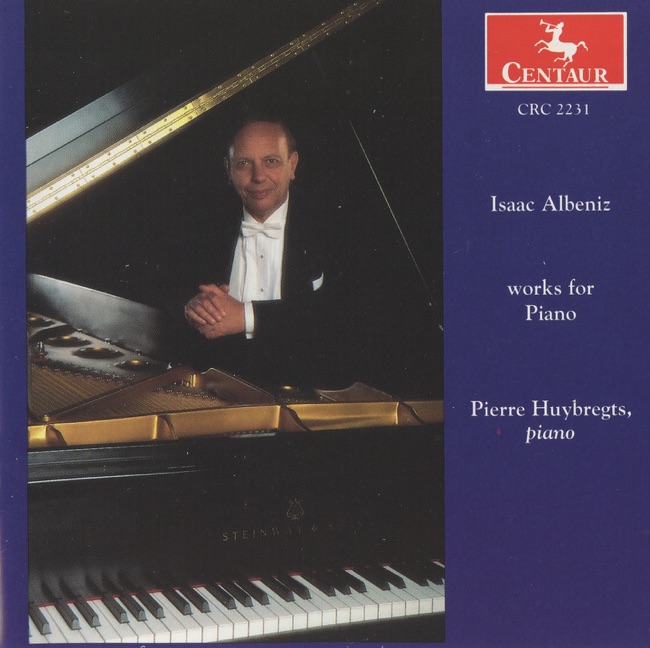
Works Info
Composer:Isaac AlbénizGenre:KeyboardStyle:KeyboardCompose Date:ca. 1888Average_duration:4:36Isaac Albéniz's 'Cádiz-gaditana in D minor/A Phrygian, B. 19' is a piano piece that was composed in 1890. It was premiered in the same year in Paris, France. The piece is part of Albéniz's 'Iberia Suite', which is a collection of twelve piano pieces that were inspired by the composer's travels throughout Spain. 'Cádiz-gaditana in D minor/A Phrygian, B. 19' is a single-movement piece that is characterized by its use of the Phrygian mode, which is a musical mode that is commonly associated with Spanish music. The piece is also notable for its use of syncopated rhythms and its lively, dance-like character. The piece begins with a slow, mournful introduction that features a descending melody in the Phrygian mode. This is followed by a faster, more rhythmic section that features a lively melody in the same mode. The piece then alternates between these two sections, with the faster section becoming increasingly complex and virtuosic as it progresses. One of the most notable features of 'Cádiz-gaditana in D minor/A Phrygian, B. 19' is its use of Spanish dance rhythms, such as the fandango and the bolero. These rhythms are combined with Albéniz's characteristic use of chromaticism and harmonic ambiguity, creating a unique and distinctive sound that is instantly recognizable as his own. Overall, 'Cádiz-gaditana in D minor/A Phrygian, B. 19' is a masterful example of Albéniz's unique style, combining Spanish folk music with classical techniques to create a work that is both virtuosic and deeply expressive. Its use of the Phrygian mode and Spanish dance rhythms make it a quintessentially Spanish piece, and it remains a popular and beloved work in the piano repertoire to this day.More....