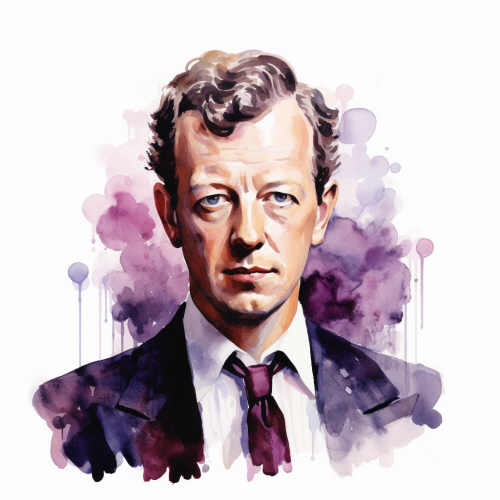
Benjamin Britten
Lachrymae, reflections on a song of Dowland, Op. 48
Released Album
Recent Album
-
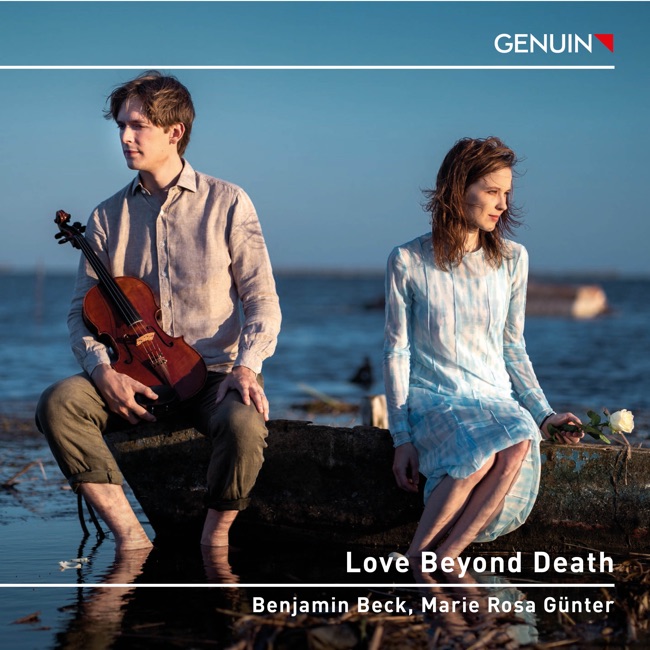
-
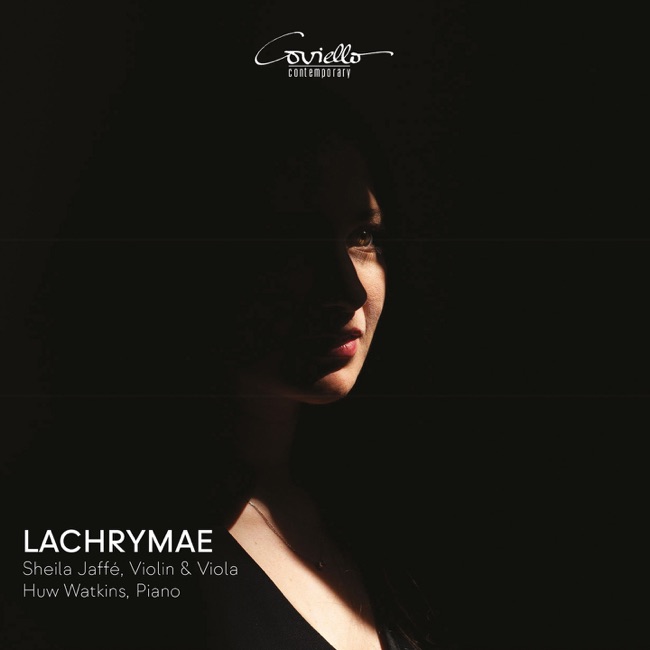
-
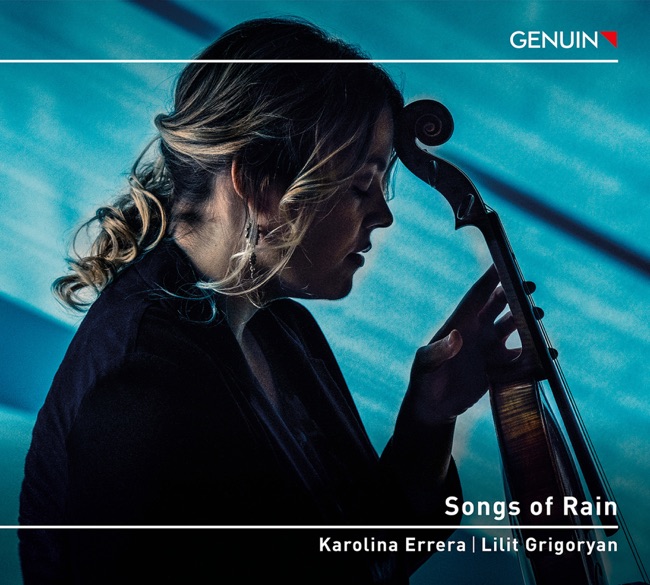
-
-
 Lara Sophie SchmittNovember 28, 2018
 -

-
-
-

-
-
-
Featured Album
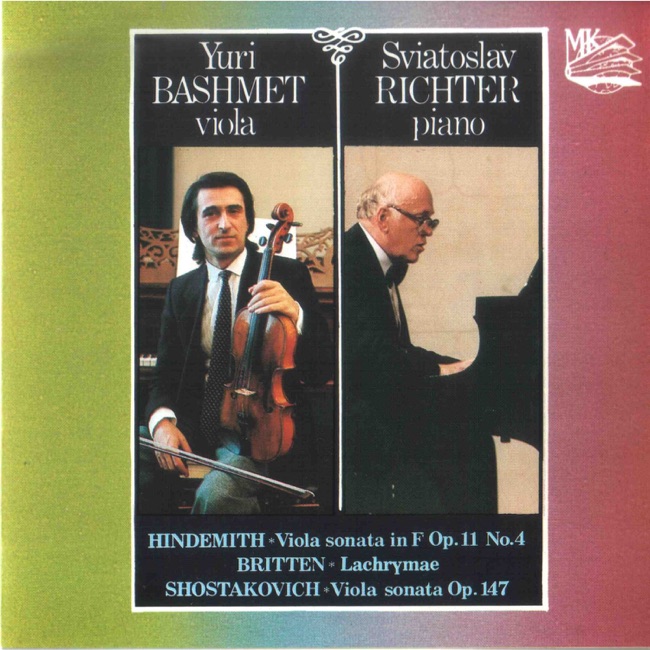
Works Info
Composer:Benjamin BrittenGenre:ChamberStyle:Chamber MusicCompose Date:1950Average_duration:14:09Movement_count:11Movement ....Lachrymae, reflections on a song of Dowland, Op. 48 is a composition for viola and piano by British composer Benjamin Britten. It was composed in 1950 and premiered on October 15, 1950, at the Wigmore Hall in London, with Britten himself on the piano and William Primrose on the viola. The piece is based on a song by the English Renaissance composer John Dowland, "Flow my tears," which is known for its melancholic and introspective character. Britten's Lachrymae (which means "tears" in Latin) is a set of variations on Dowland's song, exploring different moods and emotions through the viola's expressive range. The piece is divided into nine movements, each with a different character and tempo. The first movement, "Lachrymae Antiquae," is a slow and mournful introduction, setting the tone for the rest of the piece. The second movement, "Lachrymae Antiquae Novae," is a faster and more rhythmic variation, with a sense of urgency and agitation. The third movement, "Lachrymae Gementes," is a slow and expressive variation, with the viola playing long and sustained notes, evoking a sense of lamentation. The fourth movement, "Lachrymae Tristes," is a more upbeat variation, with a sense of resignation and acceptance. The fifth movement, "Lachrymae Coactae," is a fast and virtuosic variation, with the viola playing rapid and intricate passages, as if struggling against an unseen force. The sixth movement, "Lachrymae Amantis," is a slow and tender variation, with a sense of longing and nostalgia. The seventh movement, "Lachrymae Verae," is a slow and introspective variation, with the viola playing delicate and fragile phrases, as if searching for meaning in a world of uncertainty. The eighth movement, "Lachrymae Brevis," is a short and intense variation, with a sense of anger and frustration. The final movement, "Lachrymae Musicae," is a slow and contemplative variation, bringing the piece full circle and returning to the mournful and introspective mood of the opening. Throughout the piece, Britten explores different textures and harmonies, using the viola's rich and expressive sound to convey a wide range of emotions. Overall, Lachrymae is a deeply personal and introspective work, reflecting Britten's own struggles with his sexuality and his sense of isolation as an artist. It is a testament to the power of music to express the most profound and complex emotions, and a masterpiece of the viola repertoire.More....
Works Music
Released Music
2
14:30
4

13:47
5
14:42
6

Lachrymae, reflections on a song of Dowland, Op. 48
Lachrymae, Op. 48, Reflections on a song of John Dowland for viola and piano
14:1
7
Lachrymae, reflections on a song of Dowland, Op. 48
Lachrymae (Reflections on a song of Dowland)
15:28
8
16:23
9

15:1
10
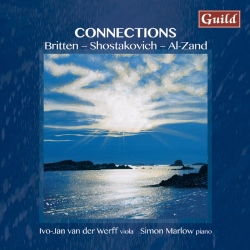
Lachrymae, reflections on a song of Dowland, Op. 48
Lachrymae - Reflections on a song of Dowland for Viola and Pinao, Op. 48
14:6
Featured Music
1
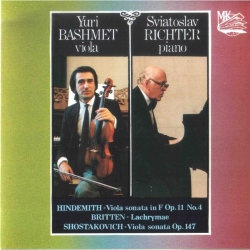
15:6
2
3:44
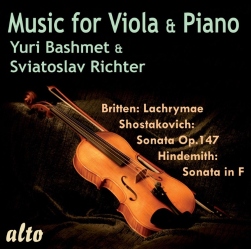
5
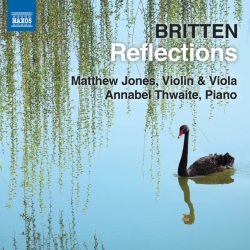
Lachrymae, reflections on a song of Dowland, Op. 48
Lachrymae: Reflections on a Song of Dowland, for viola and piano, Op. 48
14:11
6
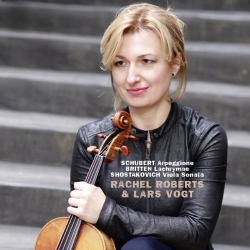
Lachrymae, reflections on a song of Dowland, Op. 48
Lachrymae, Reflections on a song of John Dowland Op. 48
14:33
7
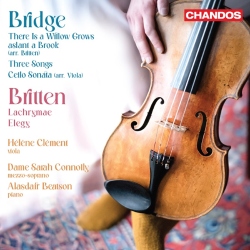
Lachrymae, reflections on a song of Dowland, Op. 48
Lachrymae: Reflections on a Song of Dowland, Op. 48 for Viola and Piano
13:10