Charles Villiers Stanford
Stabat Mater Op. 96
Released Album
Recent Album

Featured Album
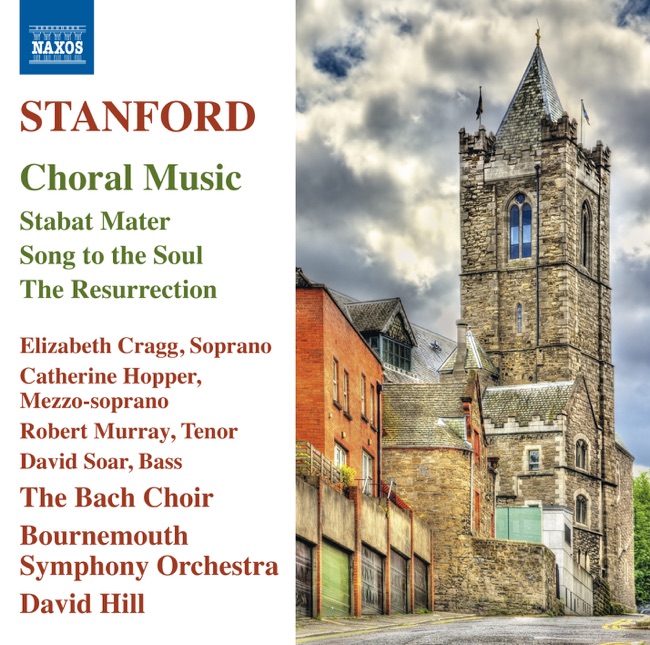
Works Info
Composer:Charles Villiers StanfordGenre:ChoralStyle:ChoralCompose Date:1907Average_duration:43:10Charles Villiers Stanford's 'Stabat Mater Op. 96' is a choral work that was composed in 1907. It was premiered on March 14, 1908, at the Birmingham Festival, with the composer conducting. The work is divided into ten movements and is scored for a mixed choir, soloists, and orchestra. The 'Stabat Mater' is a hymn that reflects on the suffering of Mary, the mother of Jesus, as she stood at the foot of the cross. The text has been set to music by many composers throughout history, and Stanford's version is one of the most well-known. The first movement, 'Stabat Mater dolorosa,' sets the tone for the entire work with its mournful melody and somber harmonies. The second movement, 'Cujus animam gementem,' features a solo soprano singing a lament for the suffering of Jesus. The third movement, 'O quam tristis et afflicta,' is a choral lament that expresses the sorrow of Mary. The fourth movement, 'Quae moerebat et dolebat,' is a duet for soprano and tenor that reflects on the pain of Mary as she watched her son die. The fifth movement, 'Quis est homo qui non fleret,' is a choral meditation on the universal human experience of suffering. The sixth movement, 'Vidit suum dulcem natum,' is a solo for alto that reflects on the love between Mary and Jesus. The seventh movement, 'Eja Mater fons amoris,' is a choral prayer for Mary's intercession. The eighth movement, 'Fac ut ardeat cor meum,' is a solo for tenor that expresses the desire for a deeper understanding of the suffering of Jesus. The ninth movement, 'Sancta Mater, istud agas,' is a choral prayer for Mary's help in overcoming sin and temptation. The final movement, 'Fac me vere tecum flere,' is a choral prayer for the grace to share in the suffering of Jesus and Mary. Overall, Stanford's 'Stabat Mater Op. 96' is a deeply emotional and spiritual work that reflects on the universal human experience of suffering and the hope of redemption through the love of God. Its beautiful melodies and harmonies have made it a beloved piece of choral music for over a century.More....
Works Music
Released Music
Featured Music