Jean Sibelius
Karelia's Fate
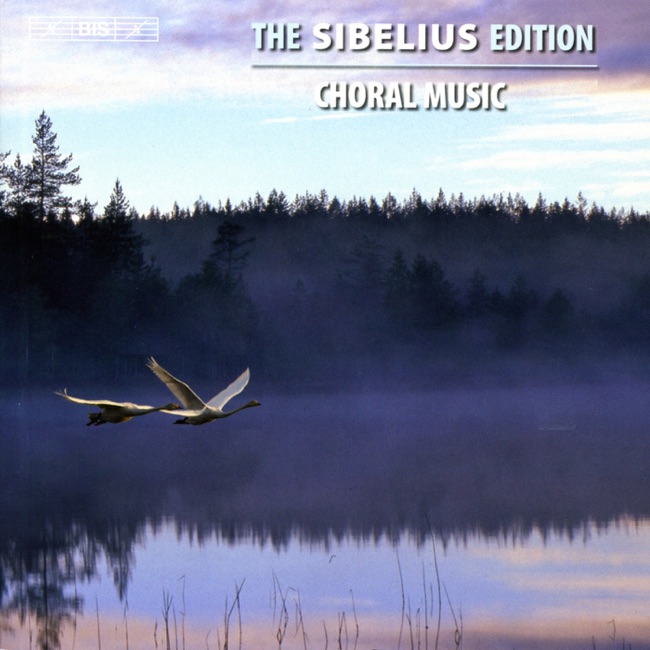
Released Album
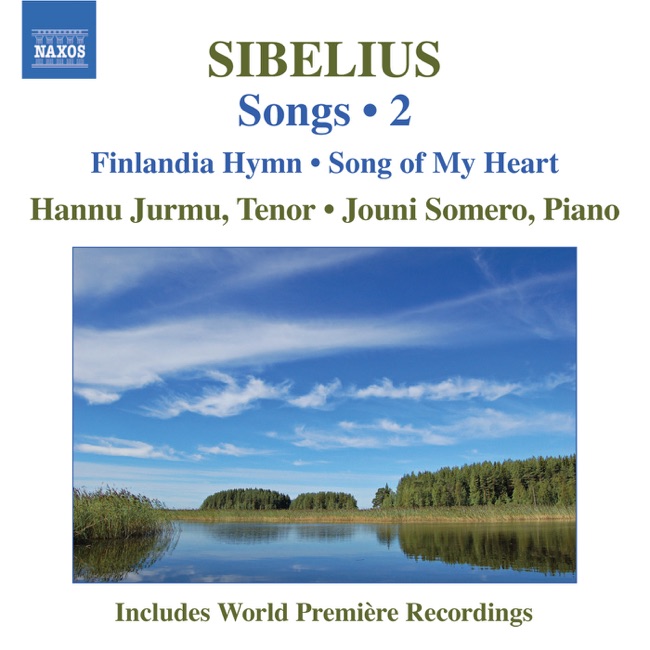
Recent Album
Works Info
Composer:Jean SibeliusGenre:ChoralStyle:MarchCompose Date:1930Average_duration:5:10"Karelia's Fate" is a symphonic poem composed by Jean Sibelius in 1893. It was premiered on November 10, 1893, in Helsinki, Finland, conducted by the composer himself. The piece is divided into three movements and is approximately 15 minutes in length. The first movement, titled "The Karelian Overture," begins with a slow and somber introduction, featuring the strings and woodwinds. The music gradually builds in intensity, with the brass and percussion joining in, creating a sense of anticipation. The main theme is then introduced by the strings, which is based on a Karelian folk melody. The theme is developed throughout the movement, with the various sections of the orchestra taking turns playing it. The movement ends with a triumphant restatement of the main theme. The second movement, titled "Ballade," is a slower and more introspective piece. It begins with a solo horn playing a mournful melody, which is then taken up by the strings. The music gradually builds in intensity, with the brass and percussion joining in, creating a sense of drama. The movement ends with a quiet and reflective coda. The third movement, titled "Alla Marcia," is a lively and energetic piece. It begins with a fanfare-like introduction, featuring the brass and percussion. The main theme is then introduced by the strings, which is based on a Karelian dance melody. The theme is developed throughout the movement, with the various sections of the orchestra taking turns playing it. The movement ends with a triumphant restatement of the main theme. "Karelia's Fate" is characterized by its use of Karelian folk melodies, which Sibelius incorporated into his music as a way of celebrating his Finnish heritage. The piece is also notable for its use of orchestration, with Sibelius using the various sections of the orchestra to create a wide range of textures and colors. The piece is considered to be one of Sibelius's early masterpieces and is still performed regularly today.More....