Jacques Castérède
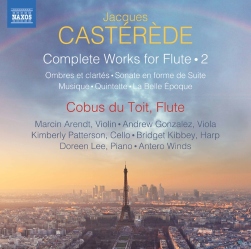
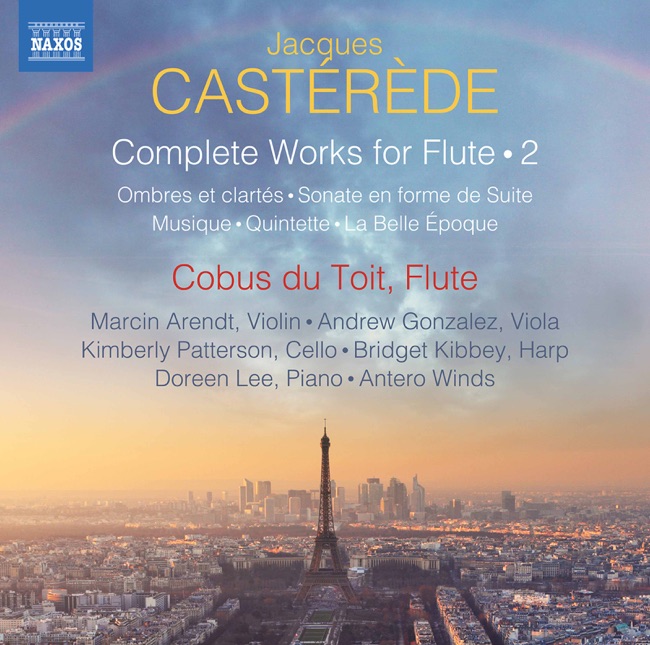
Sonate en Forme de Suite
Released Album
Recent Album
Works Info
Composer:Jacques CastérèdeGenre:ChamberAverage_duration:13:55Movement_count:4Movement ....Jacques Castérède's 'Sonate en Forme de Suite' is a four-movement work for flute and piano. It was composed in 1957 and premiered the same year in Paris. The piece is written in a neo-classical style, with influences from Baroque music. The first movement, marked "Prelude," is a lively and energetic piece in 3/4 time. The flute and piano alternate between playing the main theme, which is characterized by its use of arpeggios and trills. The movement ends with a short coda that brings the piece to a close. The second movement, marked "Sarabande," is a slow and graceful piece in 4/4 time. The flute plays a lyrical melody over a simple piano accompaniment. The movement is characterized by its use of ornamentation, such as trills and grace notes. The third movement, marked "Gavotte," is a lively and dance-like piece in 2/4 time. The flute and piano play a playful melody that is reminiscent of a Baroque dance. The movement features a contrasting middle section that is slower and more lyrical. The final movement, marked "Final," is a fast and virtuosic piece in 6/8 time. The flute and piano play a complex and intricate melody that showcases the technical abilities of both instruments. The movement features a number of tempo changes and ends with a dramatic flourish. Overall, Castérède's 'Sonate en Forme de Suite' is a well-crafted and engaging work that showcases the talents of both the flutist and pianist. Its neo-classical style and use of Baroque influences make it a unique and interesting addition to the flute repertoire.More....
Works Music
Released Music