George Crumb
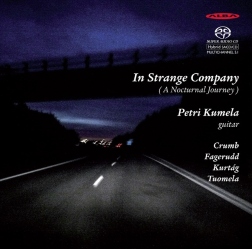
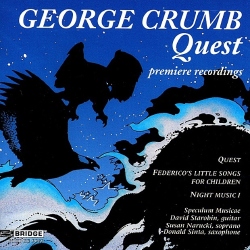
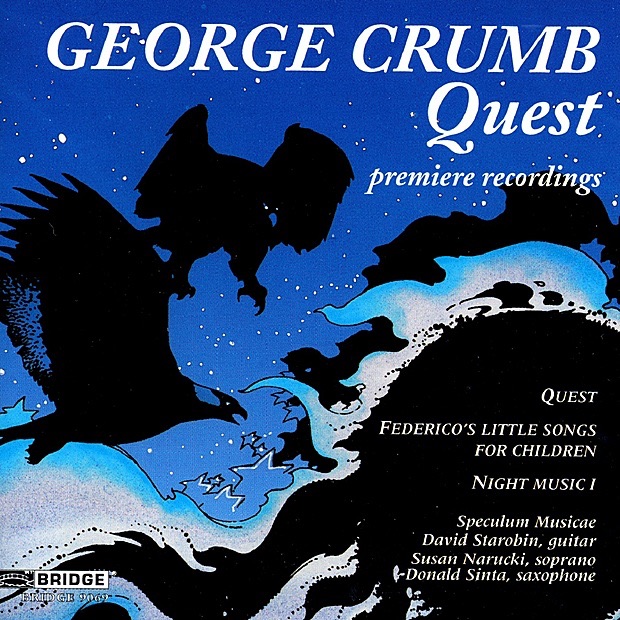
Quest
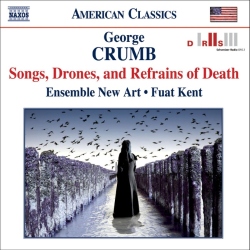
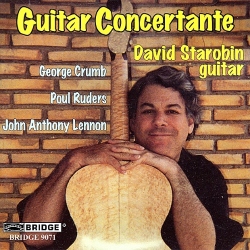
Released Album
Recent Album
Works Info
Composer:George CrumbGenre:ChamberStyle:Chamber MusicCompose Date:1989 - 1994Average_duration:24:38Movement_count:8Movement ....'Quest' is a composition for solo piano, composed by George Crumb in 1990. The piece was premiered on October 28, 1990, by the pianist Lambert Orkis at the Library of Congress in Washington, D.C. The composition is divided into four movements, each with its own unique characteristics and musical themes. The first movement, titled "The Phantom Gondolier," is marked by its haunting and ethereal quality. The pianist is instructed to play with a soft and delicate touch, creating a sense of mystery and intrigue. The movement is characterized by its use of extended techniques, such as playing inside the piano and using the sustain pedal to create a resonant and otherworldly sound. The second movement, titled "Night Music I," is a stark contrast to the first. It is marked by its frenetic and dissonant quality, with the pianist instructed to play with a harsh and aggressive touch. The movement is characterized by its use of complex rhythms and angular melodies, creating a sense of chaos and confusion. The third movement, titled "The Advent," is a return to the ethereal quality of the first movement. It is marked by its use of delicate and shimmering arpeggios, creating a sense of wonder and anticipation. The movement is characterized by its use of extended harmonies and tonal ambiguity, creating a sense of mystery and ambiguity. The final movement, titled "Night Music II," is a return to the frenetic and dissonant quality of the second movement. It is marked by its use of complex rhythms and angular melodies, creating a sense of urgency and intensity. The movement is characterized by its use of extended techniques, such as playing inside the piano and using the sustain pedal to create a resonant and otherworldly sound. Overall, 'Quest' is a challenging and complex composition that showcases Crumb's unique approach to piano music. The piece is marked by its use of extended techniques, complex rhythms, and tonal ambiguity, creating a sense of mystery and intrigue. The four movements of the composition are each distinct in their musical themes and characteristics, creating a sense of journey and exploration throughout the piece.More....