Orlande de Lassus
Missa Pro defunctis, for 4 voices, H. iv/95
Released Album
Recent Album
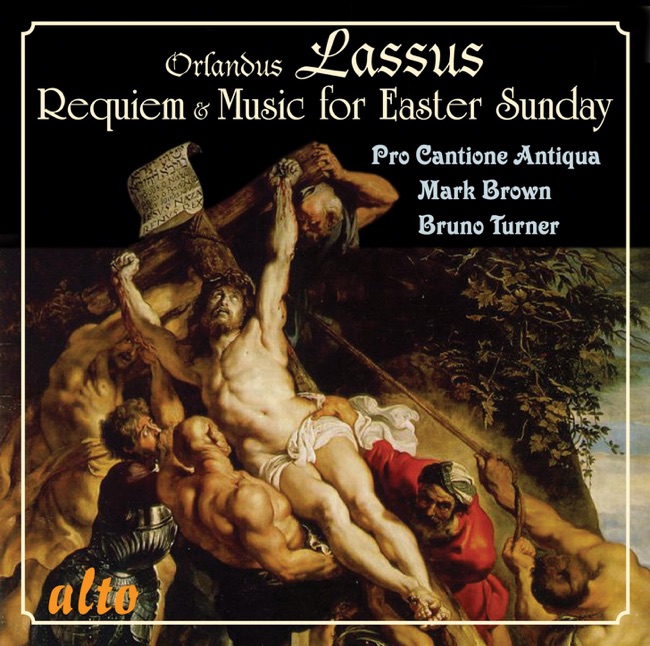
Works Info
Composer:Orlande de LassusGenre:ChoralStyle:MassPublication Date:1577Average_duration:28:11Movement_count:9Movement ....Orlande de Lassus, also known as Roland de Lassus, was a prominent composer of the late Renaissance period. He was born in Mons, Belgium in 1532 and spent most of his career in Munich, Germany, where he served as a court musician for the Duke of Bavaria. Lassus was a prolific composer, producing over 2,000 works in a variety of genres, including sacred and secular vocal music, instrumental music, and madrigals. One of Lassus' most famous works is his Missa Pro defunctis, for 4 voices, H. iv/95, also known as the Requiem Mass. This piece was composed in the late 16th century and was likely first performed in Munich, where Lassus was living at the time. The Missa Pro defunctis is a setting of the Catholic Mass for the Dead, which is traditionally performed at funerals and other memorial services. The Missa Pro defunctis is divided into several movements, each of which corresponds to a different section of the Mass. The first movement is the Introit, which sets the tone for the entire piece with its mournful, somber melody. This is followed by the Kyrie, which is a plea for mercy and forgiveness. The Gloria, Credo, Sanctus, and Agnus Dei movements follow, each of which features complex polyphonic textures and intricate harmonies. One of the most striking characteristics of the Missa Pro defunctis is its use of chromaticism, which was a relatively new technique at the time. Lassus employs chromaticism to create a sense of tension and dissonance, which reflects the somber mood of the piece. Another notable feature of the Missa Pro defunctis is its use of word painting, which is a technique in which the music reflects the meaning of the text. For example, the word "miserere" (have mercy) is set to a plaintive, pleading melody. Overall, the Missa Pro defunctis is a masterpiece of Renaissance choral music. Its complex harmonies, intricate polyphony, and use of chromaticism and word painting make it a powerful and moving work that continues to be performed and admired today.More....
Works Music
Released Music