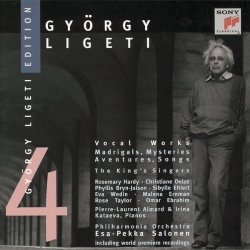
György Ligeti
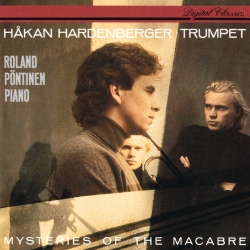
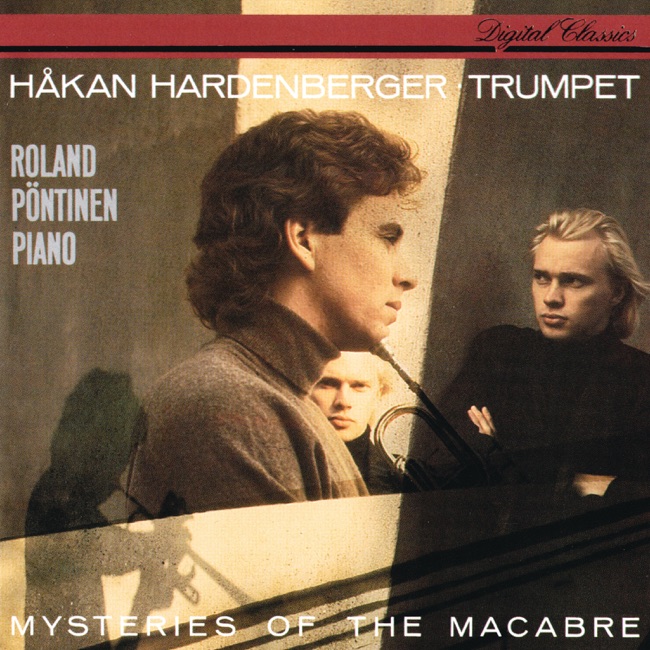
Mysteries of the Macabre
Released Album
Recent Album
-

-
-
-
-
-
-
-
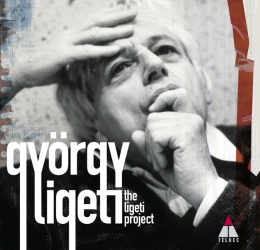
 Ligeti ProjectMay 29, 2000
 -
-
Works Info
Composer:György LigetiGenre:VocalStyle:Open FormCompose Date:1988 - 1991Average_duration:7:31György Ligeti's "Mysteries of the Macabre" is a three-movement work for coloratura soprano and chamber orchestra. It was composed in 1974-77 and premiered in 1978 in Stuttgart, Germany. The piece is based on three arias from Ligeti's opera "Le Grand Macabre," which was still in progress at the time of the composition. The first movement, "The Bewitched Woman," is a frenzied and disorienting piece that showcases the soprano's ability to sing in a wide range of pitches and timbres. The music is characterized by abrupt shifts in tempo and dynamics, as well as sudden pauses and silences. The soprano's vocal lines are often fragmented and disjointed, reflecting the character's state of mind. The second movement, "Aria of the Chandelier," is a more lyrical and melodic piece that features a solo violin and a solo trumpet. The soprano's vocal lines are more fluid and legato, but still contain moments of extreme vocal acrobatics. The music is characterized by a sense of playfulness and whimsy, as well as a touch of melancholy. The final movement, "The Death of the Prince," is a dark and ominous piece that features a solo bassoon and a solo trombone. The soprano's vocal lines are more declamatory and dramatic, reflecting the tragic nature of the character's demise. The music is characterized by a sense of foreboding and impending doom, as well as moments of intense dissonance and cacophony. Overall, "Mysteries of the Macabre" is a challenging and virtuosic work that pushes the limits of both the soprano's voice and the chamber orchestra's capabilities. It is a prime example of Ligeti's avant-garde style, which often incorporates elements of chaos, humor, and surrealism.More....
Works Music
Released Music
2
Mysteries of the Macabre
Mysteries of the Macabre: Three arias from the opera Le Grande Macabre
8:17
8
7:57