


Franz Liszt
Mosonyis Grabgeleit, S. 194
Released Album
Recent Album

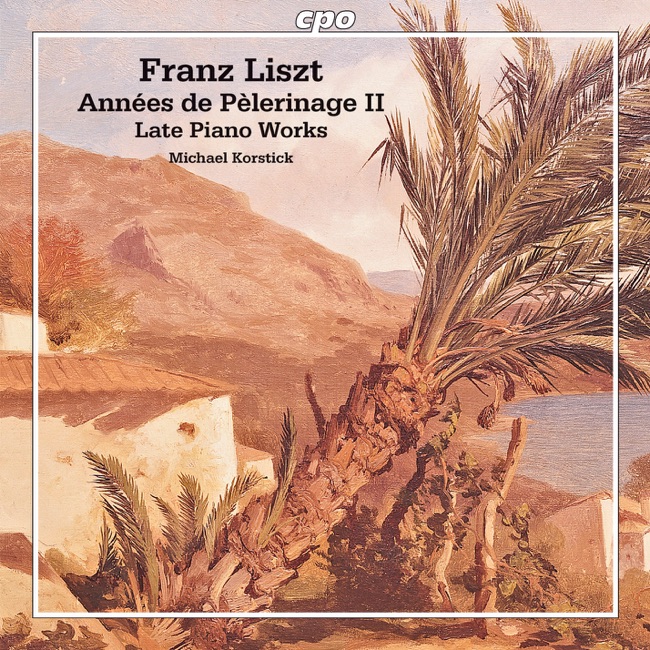

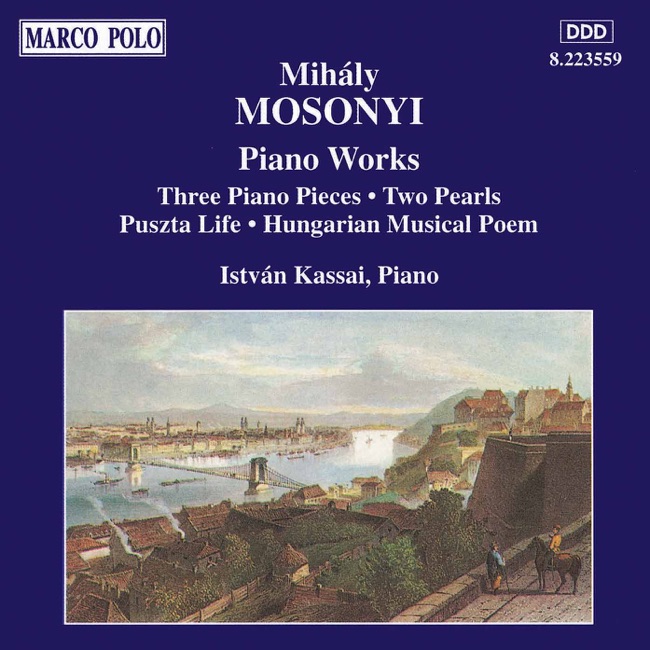

Featured Album

Works Info
Composer:Franz LisztGenre:KeyboardStyle:RequiemCompose Date:1870Publication Date:1871First Performance:Nov 16, 1870Average_duration:6:50Franz Liszt's "Mosonyis Grabgeleit, S. 194" is a funeral march composed in 1870 in memory of his friend, the Hungarian Count István Széchenyi. The piece was premiered on October 30, 1870, at the funeral procession of Count Széchenyi in Mosonmagyaróvár, Hungary. The piece is divided into three movements, each with its own distinct character. The first movement, marked "Andante maestoso," begins with a solemn and mournful melody played by the strings. The melody is then taken up by the brass and woodwinds, creating a powerful and somber sound. The movement builds to a climax before fading away into a quiet and reflective coda. The second movement, marked "Allegro moderato," is more lively and energetic than the first. The strings play a fast and rhythmic melody, while the brass and woodwinds provide a counterpoint. The movement is marked by sudden shifts in dynamics and tempo, creating a sense of urgency and restlessness. The final movement, marked "Andante sostenuto," returns to the mournful and reflective mood of the first. The strings play a simple and haunting melody, while the brass and woodwinds provide a gentle accompaniment. The movement builds to a climax before fading away into a quiet and peaceful coda. Overall, "Mosonyis Grabgeleit, S. 194" is a powerful and emotional tribute to Liszt's friend. The piece is marked by its use of contrasting moods and textures, as well as its dramatic shifts in dynamics and tempo. It is a testament to Liszt's skill as a composer and his ability to evoke deep emotions through music.More....
Works Music
Released Music




Featured Music
1

Mosonyi's funerary companion, p. 194
Mosonyi gyászmenete (Mosonyi's Funeral Procession), S194/R110
6:20