


Heinrich Schütz
Grimmaige Gruft, so hast du dann, SWV 52
Released Album
Recent Album

Works Info
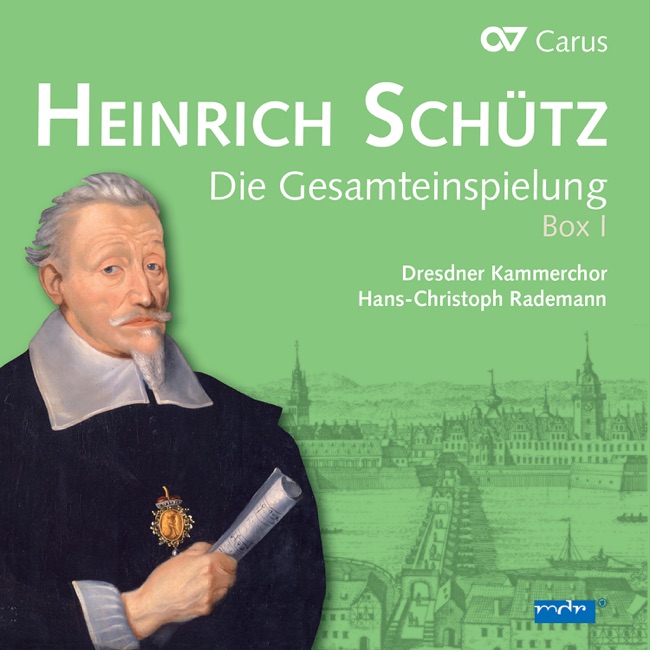
Composer:Heinrich SchützGenre:VocalPublication Date:1623First Performance:January 28, 1623Average_duration:7:00Heinrich Schütz's "Grimmaige Gruft, so hast du dann" (SWV 52) is a sacred vocal work composed in the early 17th century. The piece was likely composed in the early 1620s, during Schütz's tenure as Kapellmeister at the court of Elector Johann Georg I in Dresden. The work is scored for four voices (soprano, alto, tenor, and bass) and continuo. The piece is divided into three movements. The first movement is a somber and mournful aria for bass soloist, accompanied by continuo. The text, taken from the Book of Job, laments the inevitability of death and the futility of human existence. The music is characterized by descending chromatic lines and dissonant harmonies, which convey a sense of despair and hopelessness. The second movement is a duet for soprano and alto, accompanied by continuo. The text, also taken from the Book of Job, speaks of the transience of life and the inevitability of death. The music is more hopeful than the first movement, with a brighter tonality and more consonant harmonies. The duet is characterized by imitative counterpoint, with the two voices weaving in and out of each other. The final movement is a chorale for four voices, accompanied by continuo. The text, taken from a Lutheran hymn, speaks of the hope of eternal life and the promise of salvation. The music is characterized by a simple, homophonic texture, with all four voices singing the same melody at the same time. The harmonies are more consonant than in the first movement, and the tonality is brighter and more uplifting. Overall, "Grimmaige Gruft, so hast du dann" is a powerful and moving work that reflects Schütz's mastery of the Baroque style. The piece is notable for its use of chromaticism and dissonance to convey a sense of despair and hopelessness, as well as its use of imitative counterpoint and homophonic texture to create a sense of unity and hope. The work premiered in Dresden in the early 1620s and has since become a staple of the Baroque vocal repertoire.More....
Works Music
Released Music
1
6:50
2

Grim crypt, so you have then, SWV 52
Grimmige Gruft, (Kläglicher Abschied von der Churfürstlichen Grufft zu Freybergk), SWV 52
7:
Main Perform Artists
Soprano (Vocal)
Violin
Choir/Chorus