Claudio Monteverdi
Stabat Virgo Maria, SV 96.k
Released Album
Recent Album
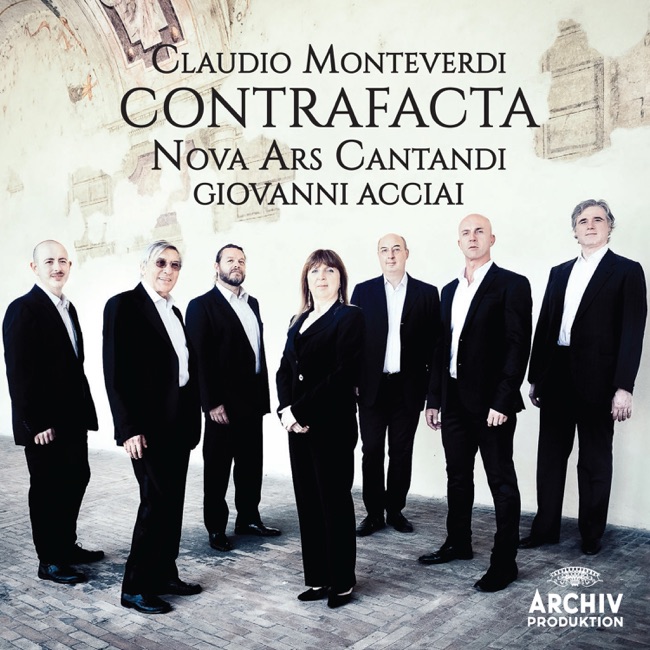
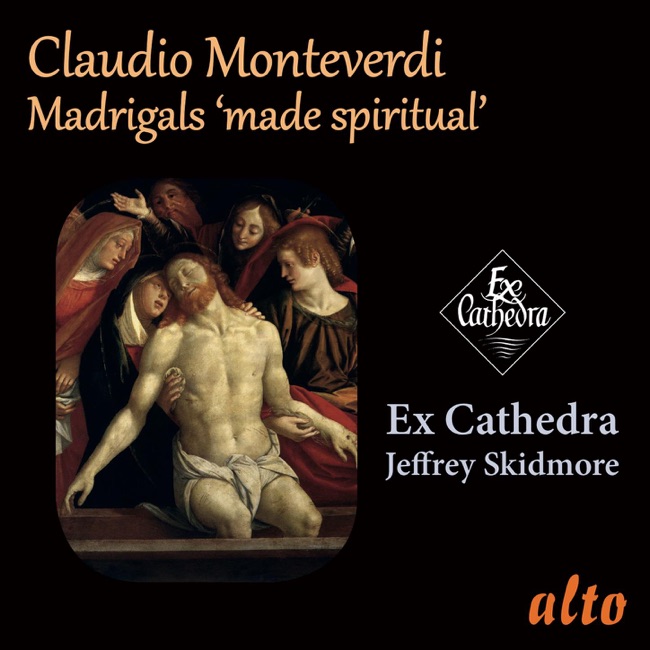
Featured Album
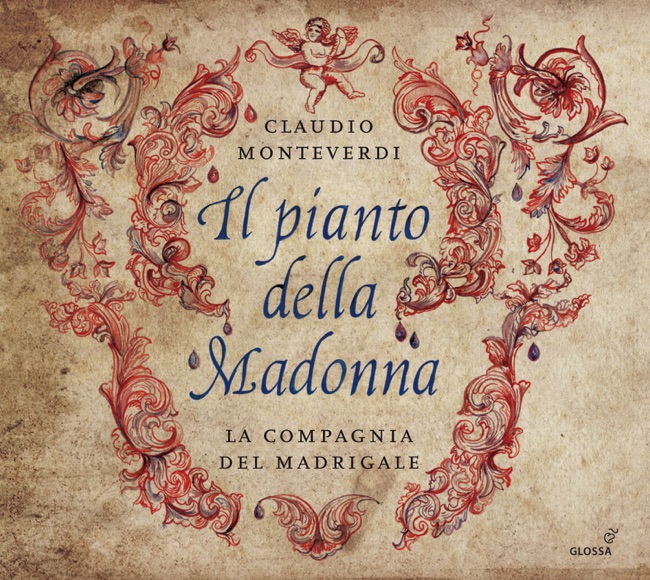
Works Info
Composer:Claudio MonteverdiGenre:ChoralStyle:ChoralPublication Date:1607Average_duration:4:54Claudio Monteverdi's 'Stabat Virgo Maria, SV 96.k' is a sacred vocal work that was composed in the early 17th century. The piece was premiered in Venice, Italy, in 1610, as part of Monteverdi's larger collection of sacred music, the 'Vespro della Beata Vergine'. The 'Stabat Virgo Maria' is a setting of the Latin hymn 'Stabat Mater', which describes the sorrow of the Virgin Mary as she stands at the foot of the cross of her son, Jesus Christ. The piece is divided into three movements, each of which reflects a different aspect of the Virgin Mary's grief. The first movement, 'Stabat Mater dolorosa', is a mournful and contemplative aria that sets the scene for the rest of the piece. The music is slow and somber, with long, sustained notes and a simple, repetitive melody. The text describes the Virgin Mary's sorrow as she watches her son suffer and die on the cross. The second movement, 'O quam tristis et afflicta', is a duet for two sopranos that expresses the Virgin Mary's anguish and despair. The music is more complex than the first movement, with intricate vocal lines that intertwine and overlap. The text describes the Virgin Mary's heartbreak as she witnesses the death of her beloved son. The final movement, 'Quis est homo qui non fleret', is a choral lament that reflects on the universal nature of grief and suffering. The music is more upbeat than the previous movements, with a lively rhythm and a sense of forward motion. The text asks who among us can witness the sorrow of the Virgin Mary and not be moved to tears. Overall, Monteverdi's 'Stabat Virgo Maria' is a powerful and emotional work that captures the depth of the Virgin Mary's grief and the universality of human suffering. The music is characterized by its simplicity, its expressive melodies, and its ability to convey complex emotions through the interplay of voices and instruments.More....