Franz Joseph Haydn
Baryton Trio in D major, H. 11/85
Released Album
Recent Album
Works Info
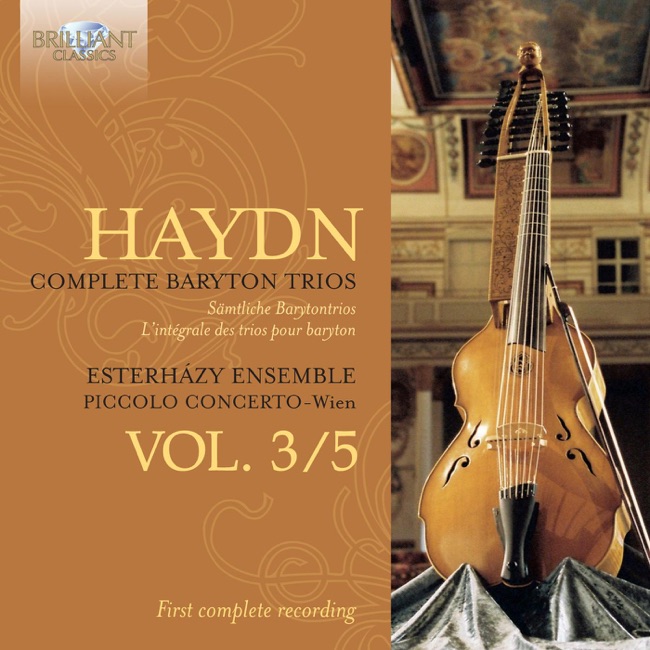
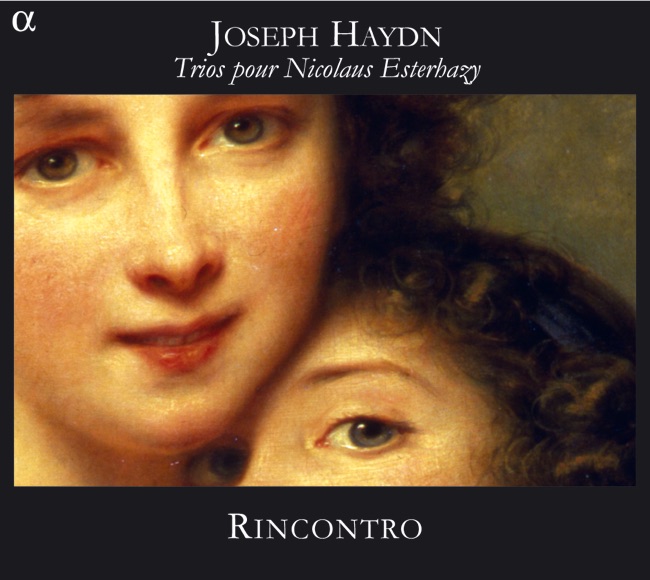
Composer:Franz Joseph HaydnGenre:ChamberStyle:Chamber MusicAverage_duration:8:07Movement_count:3Movement ....Franz Joseph Haydn's Baryton Trio in D major, H. 11/85, was composed in the late 1760s for Prince Nikolaus Esterházy, who was an avid player of the baryton, a stringed instrument similar to the viola da gamba. The trio was likely premiered at the Esterházy court in Eisenstadt, Austria, where Haydn was employed as a court musician. The Baryton Trio in D major consists of three movements: a lively Allegro, a graceful Andante, and a spirited Finale. The first movement opens with a cheerful theme played by the baryton, accompanied by the viola and cello. The theme is then developed and passed between the instruments, showcasing Haydn's skillful use of counterpoint and his ability to create a sense of dialogue between the instruments. The second movement is a lyrical Andante, featuring a beautiful melody played by the baryton, with the viola and cello providing a delicate accompaniment. The final movement is a lively Allegro, with a playful theme that is passed between the instruments, building to a thrilling conclusion. One of the unique characteristics of the Baryton Trio in D major is the prominent role of the baryton, which is featured throughout the piece. Haydn's use of the baryton demonstrates his skill in writing for a variety of instruments and his ability to create music that showcases the unique qualities of each instrument. Additionally, the trio demonstrates Haydn's mastery of form and his ability to create music that is both technically challenging and musically engaging. Overall, the Baryton Trio in D major is a delightful example of Haydn's chamber music, showcasing his skill as a composer and his ability to create music that is both technically impressive and musically engaging.More....
Works Music
Released Music