Johann Pachelbel
Aria Sexta in F minor (Hexachordum 6), T. 216
Released Album
Recent Album

Works Info
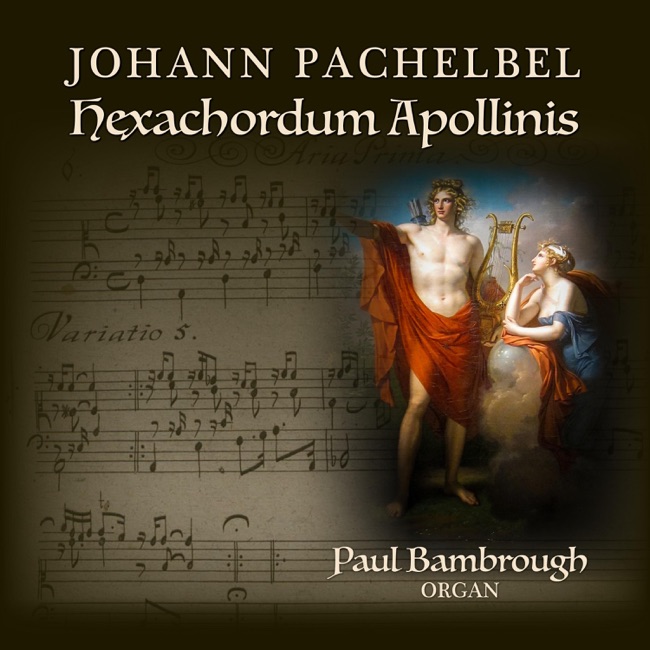
Composer:Johann PachelbelGenre:KeyboardStyle:VariationsCompose Date:1699Publication Date:1699Average_duration:9:33Johann Pachelbel's 'Aria Sexta in F minor (Hexachordum 6), T. 216' is a beautiful and intricate piece of music that was composed in the Baroque era. It was written for keyboard instruments and was first premiered in the early 1700s. The piece is part of a larger collection of works known as the 'Hexachordum Apollinis', which is a set of six arias that are based on the six notes of the hexachord. The 'Aria Sexta in F minor' is divided into three movements, each with its own unique characteristics. The first movement is marked 'Adagio' and is a slow and mournful piece that is characterized by its use of suspensions and dissonances. The second movement is marked 'Allegro' and is a lively and energetic piece that features rapid arpeggios and intricate ornamentation. The final movement is marked 'Adagio' and is a return to the mournful and introspective mood of the first movement. One of the most notable characteristics of the 'Aria Sexta in F minor' is its use of counterpoint. Pachelbel was a master of counterpoint, and this piece showcases his skill in this area. The piece features multiple voices that weave in and out of each other, creating a complex and intricate tapestry of sound. Another characteristic of the piece is its use of harmony. Pachelbel was known for his use of rich and complex harmonies, and this piece is no exception. The harmonies are often unexpected and surprising, adding to the overall beauty and complexity of the piece. Overall, the 'Aria Sexta in F minor (Hexachordum 6), T. 216' is a stunning example of Baroque music. Its intricate counterpoint, rich harmonies, and emotional depth make it a timeless piece that continues to be enjoyed by music lovers today.More....
Works Music
Released Music
1
9:27
5
Aria Sexta in F minor (Hexachordum 6), m. 216
Aria Sebaldina in f from the Hexachordum Appollinis
7:14
6
10:8
7
8:17
8
8:56
9
12:29
10
7:54