Leopold Antonin Kozeluch
Parthia in F major
Released Album
Recent Album
Works Info
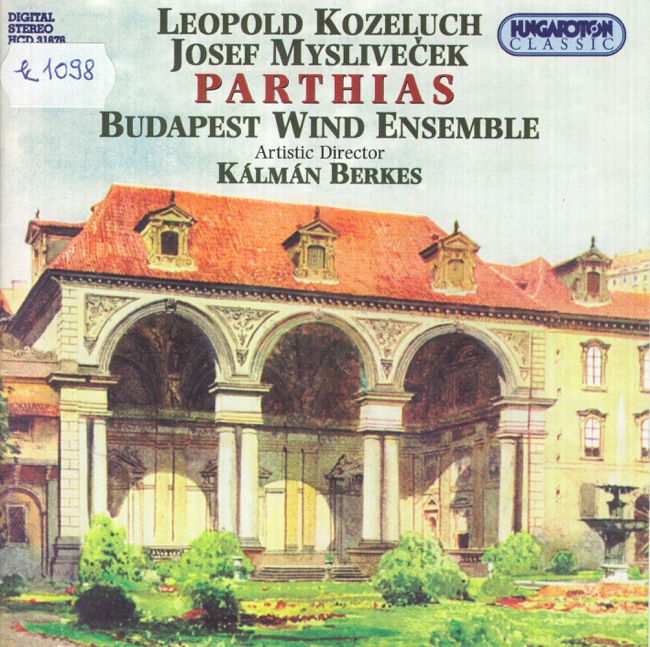
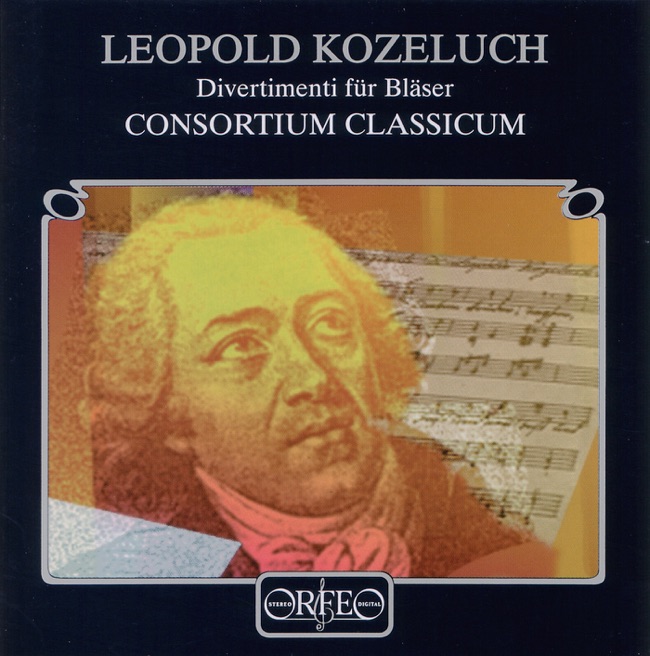
Composer:Leopold Antonin KozeluchGenre:ChamberStyle:PartitaAverage_duration:15:29Movement_count:4Movement ....Leopold Antonin Kozeluch was a Czech composer who lived from 1747 to 1818. He was a prolific composer, producing over 400 works in his lifetime, including symphonies, concertos, chamber music, and operas. One of his most famous works is the Parthia in F major, which was composed in 1784. The Parthia in F major is a chamber work for wind instruments, consisting of six movements. It was written for a wind ensemble of two oboes, two clarinets, two horns, and two bassoons. The piece is characterized by its light and playful melodies, which are typical of the classical period. The first movement of the Parthia in F major is marked Allegro, and it begins with a lively theme played by the oboes and clarinets. The horns and bassoons then join in, creating a rich and full sound. The second movement is a graceful Andante, featuring a beautiful melody played by the oboes and clarinets. The horns and bassoons provide a gentle accompaniment. The third movement is a Minuetto, which is a traditional dance form of the time. It is marked Allegretto, and it features a lively and rhythmic melody played by the entire ensemble. The fourth movement is a slow and expressive Adagio, which showcases the beautiful sound of the oboes and clarinets. The fifth movement is another Minuetto, marked Allegro, and it features a playful and energetic melody played by the entire ensemble. The final movement is a lively and joyful Allegro, which brings the piece to a rousing conclusion. The Parthia in F major was premiered in Vienna in 1784, and it was well-received by audiences and critics alike. It has since become one of Kozeluch's most popular works, and it is still performed today by wind ensembles around the world. Overall, the Parthia in F major is a charming and delightful work that showcases Kozeluch's skill as a composer. Its light and playful melodies, combined with its rich harmonies and intricate textures, make it a true masterpiece of the classical period.More....
Works Music
Released Music