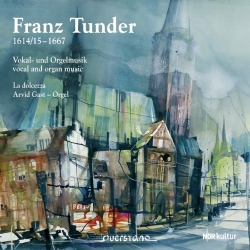
Franz Tunder
Prelude for organ, "Komm heiliger Geist Herre Gott"
Released Album
Recent Album
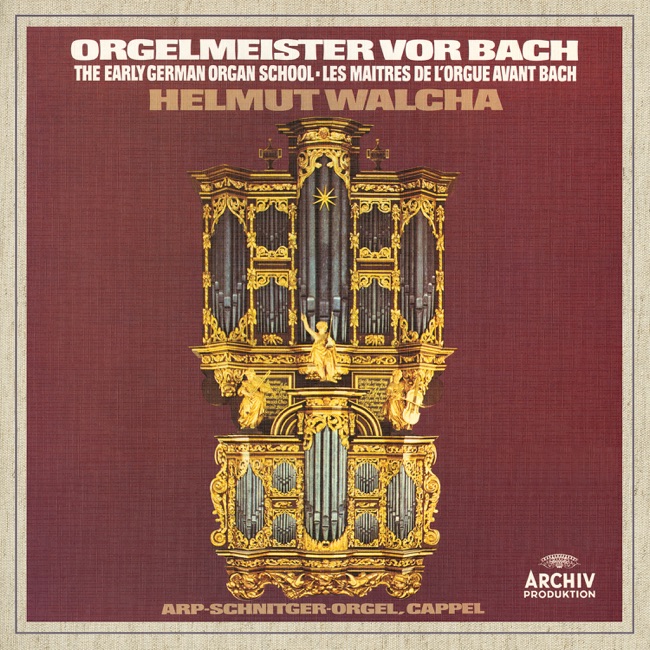
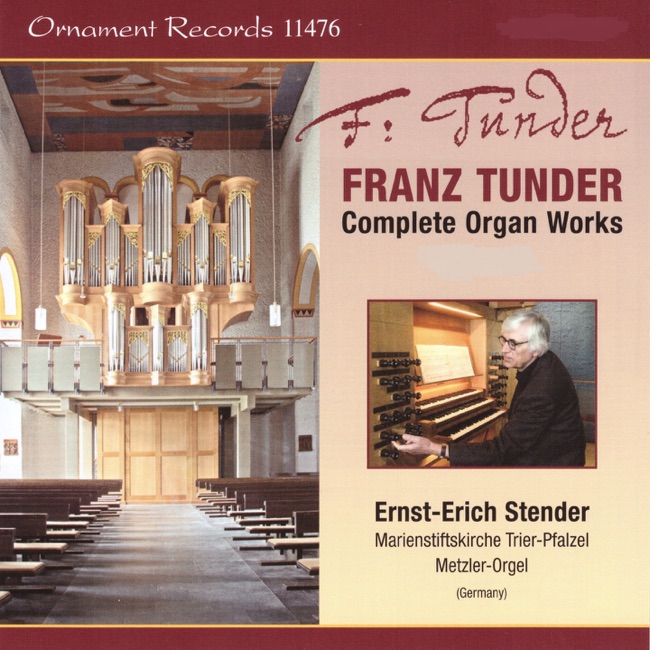
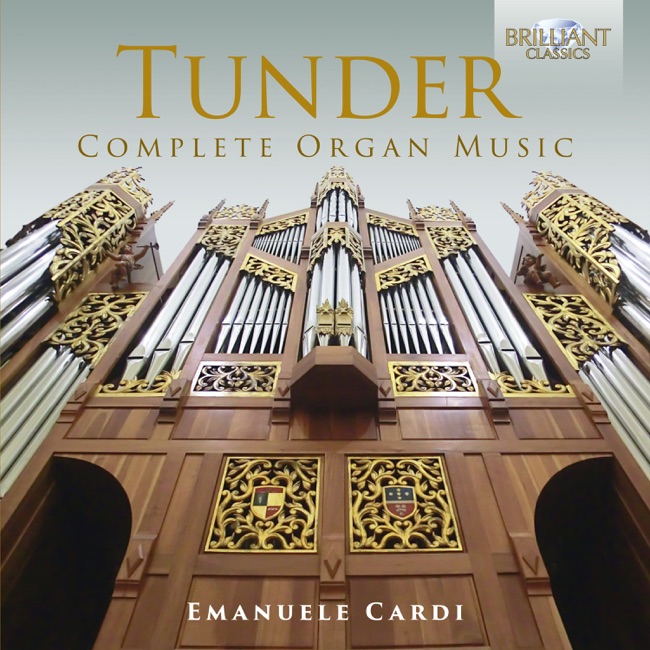

Featured Album
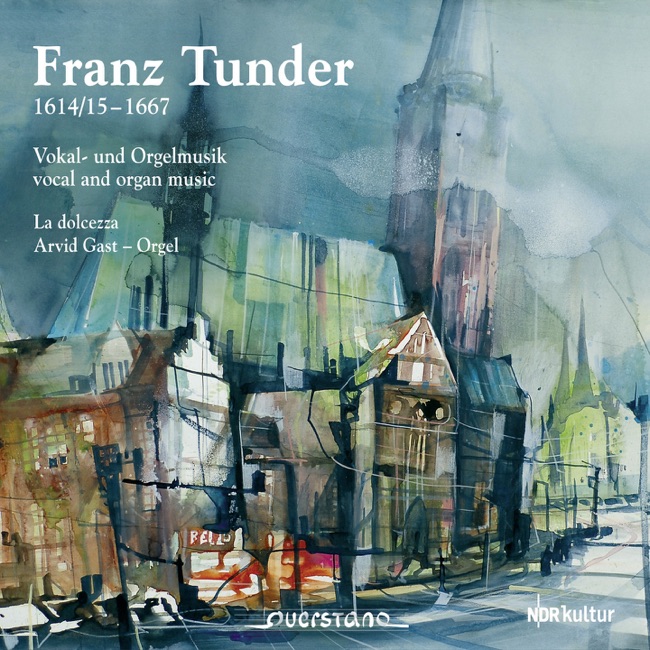
Works Info
Composer:Franz TunderGenre:KeyboardStyle:PreludeAverage_duration:7:20Franz Tunder was a German composer and organist who lived from 1614 to 1667. He was born in Lübeck, Germany, and spent most of his life there. Tunder was a prominent figure in the North German Baroque school of music, and his works were highly influential in the development of the organ prelude. One of Tunder's most famous works is his Prelude for organ, Komm heiliger Geist Herre Gott. This piece was composed in the mid-17th century and is considered a masterpiece of the Baroque era. It was written for the organ, which was a popular instrument during this time period. The Prelude for organ, Komm heiliger Geist Herre Gott is a single-movement work that is approximately five minutes in length. It is based on a Lutheran hymn of the same name, which translates to "Come, Holy Spirit, Lord God." The piece is written in the key of G major and is characterized by its use of counterpoint and ornamentation. The Prelude for organ, Komm heiliger Geist Herre Gott begins with a slow, stately introduction that sets the tone for the piece. This is followed by a series of variations on the hymn tune, each of which features different textures and harmonies. The variations become increasingly complex as the piece progresses, with Tunder using a variety of techniques to create a rich and varied sound. One of the most notable characteristics of the Prelude for organ, Komm heiliger Geist Herre Gott is its use of ornamentation. Tunder employs a wide range of embellishments, including trills, mordents, and turns, to add interest and complexity to the piece. He also uses a variety of rhythmic devices, such as syncopation and hemiola, to create a sense of tension and release. The Prelude for organ, Komm heiliger Geist Herre Gott was first performed in Lübeck in the mid-17th century. It quickly became popular throughout Germany and was widely performed by organists of the time. Today, it is still considered a masterpiece of the Baroque era and is frequently performed in recitals and church services.More....
Works Music
Released Music
2
6:39
6
6:23
7
6:23
Featured Music