Emilio de' Cavalieri
O che nuovo miracolo
Released Album
Recent Album
Featured Album
Works Info
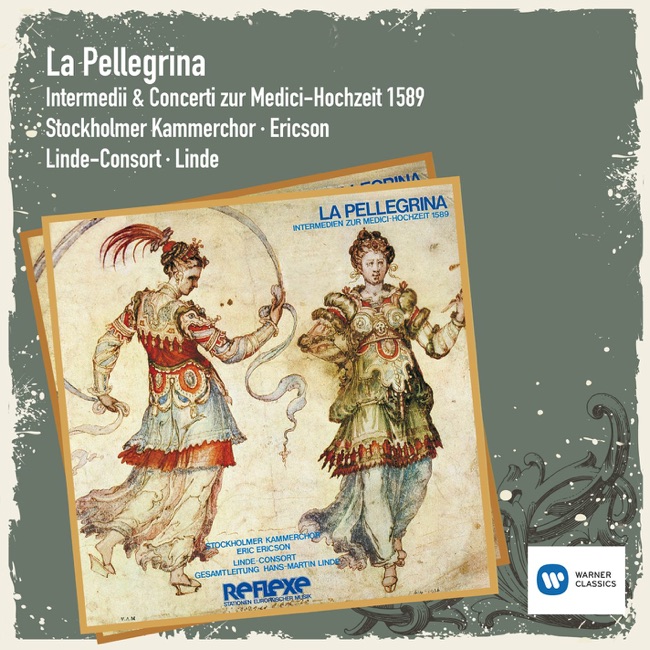
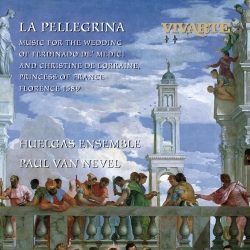
Composer:Emilio de' CavalieriGenre:VocalStyle:Vocal MusicCompose Date:1589Average_duration:5:50"O che nuovo miracolo" is a sacred vocal composition composed by Emilio de' Cavalieri, an Italian composer, organist, and diplomat of the late Renaissance period. The piece was composed in the late 16th century, and it premiered in Rome in 1589. The composition is divided into three movements, each of which is characterized by its unique musical style and structure. The first movement is a recitative, which is a type of vocal music that is closer to speech than to song. In this movement, the soloist sings the text in a declamatory style, with minimal accompaniment from the instrumental ensemble. The second movement is an aria, which is a more melodic and expressive type of vocal music. In this movement, the soloist sings a more lyrical melody, accompanied by a richer and more varied instrumental texture. The third movement is a choral fugue, which is a complex and contrapuntal type of vocal music. In this movement, the choir sings a series of interweaving melodies, each of which is based on a common theme or subject. The characteristics of "O che nuovo miracolo" reflect the musical style of the late Renaissance period. The composition is characterized by its use of polyphony, which is a technique of combining multiple melodies or voices to create a rich and complex texture. The vocal parts are often highly ornamented, with intricate melodic lines and elaborate trills and runs. The instrumental parts are also highly ornamented, with frequent use of trills, arpeggios, and other decorative techniques. The overall effect is one of grandeur and majesty, reflecting the religious themes of the composition. In conclusion, "O che nuovo miracolo" is a sacred vocal composition composed by Emilio de' Cavalieri in the late 16th century. The piece is divided into three movements, each of which is characterized by its unique musical style and structure. The composition reflects the musical style of the late Renaissance period, with its use of polyphony, ornamentation, and grandeur. The piece remains a testament to the enduring power of sacred music in the Western classical tradition.More....
Works Music
Released Music
Featured Music