


Emilio de' Cavalieri
Released Album
Vocal
-
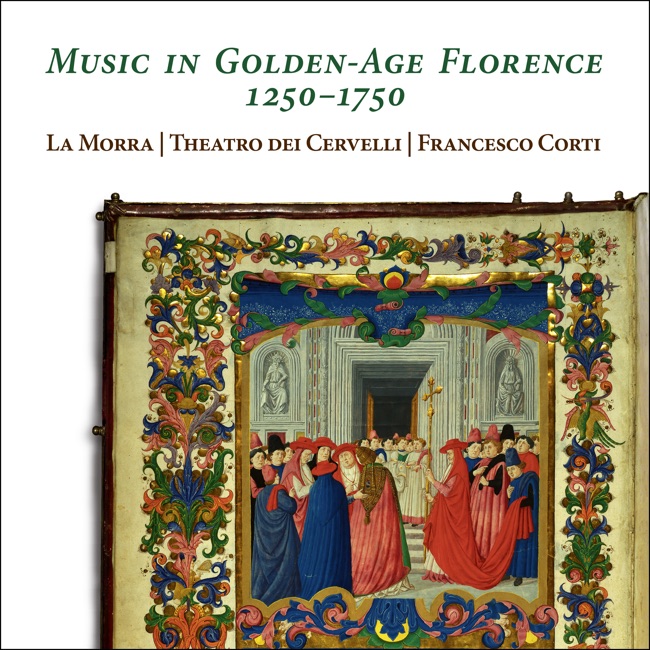 February 23, 2024
 -
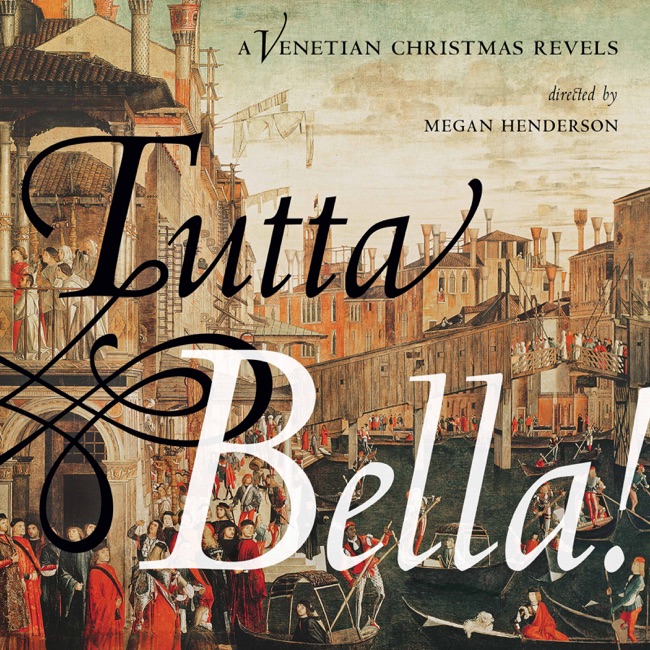 October 6, 2017
 -
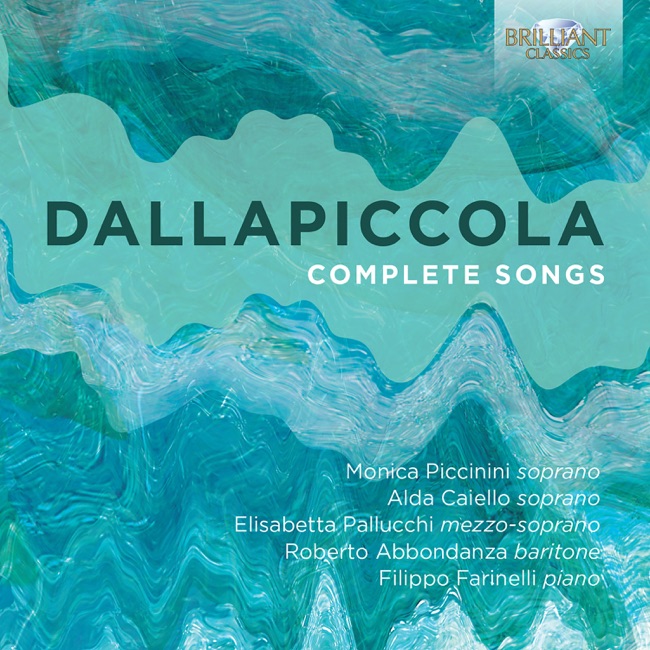 June 23, 2015
 -
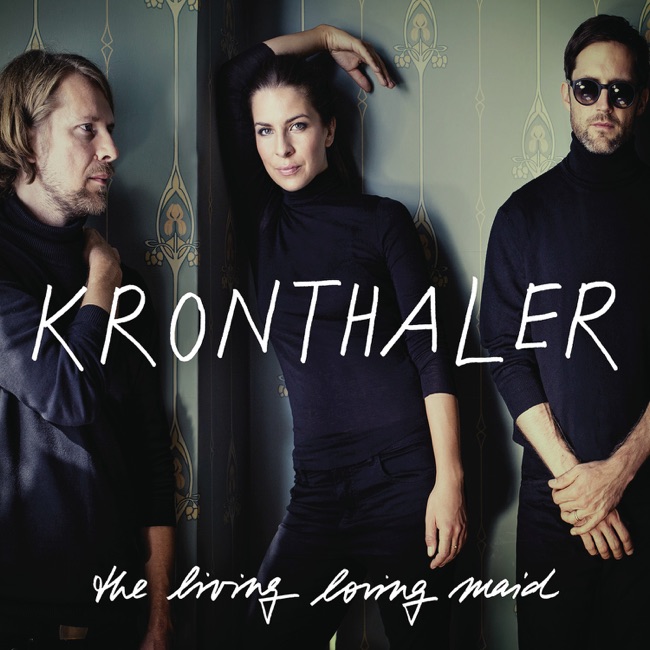 April 17, 2015
 -
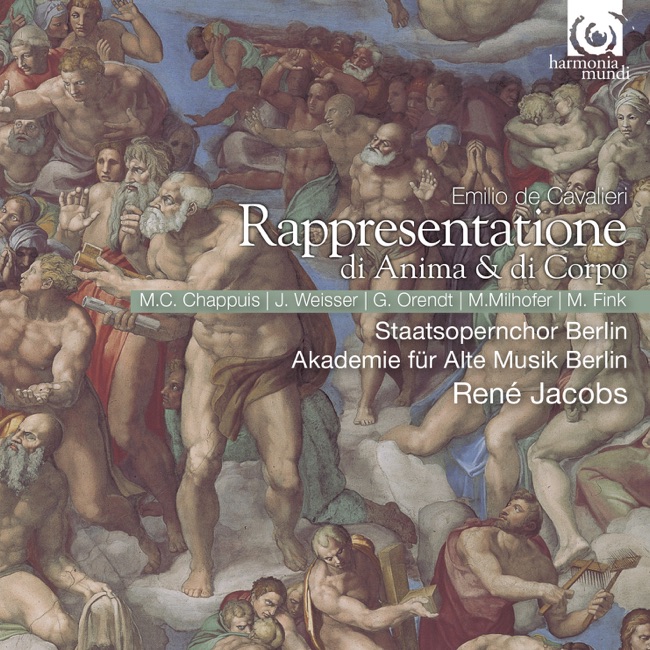 February 10, 2015
 -
 October 4, 2013
Choral
-
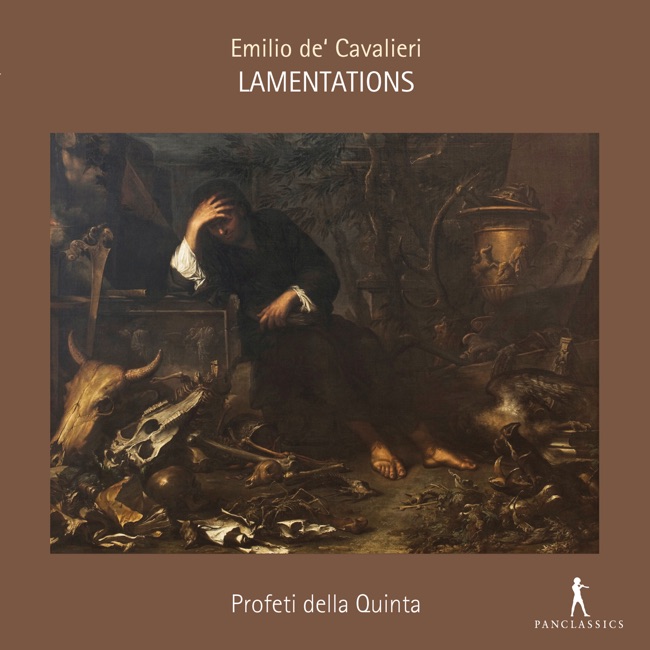 September 15, 2023
 -
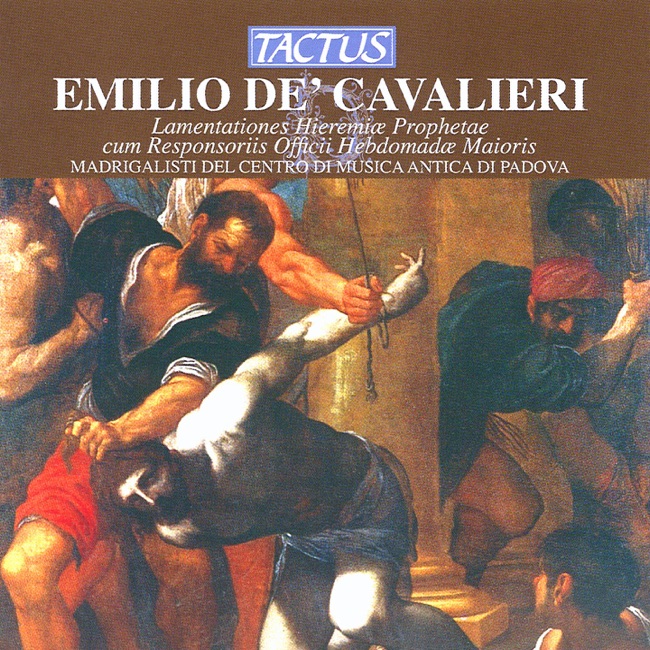 January 1, 2013
 -
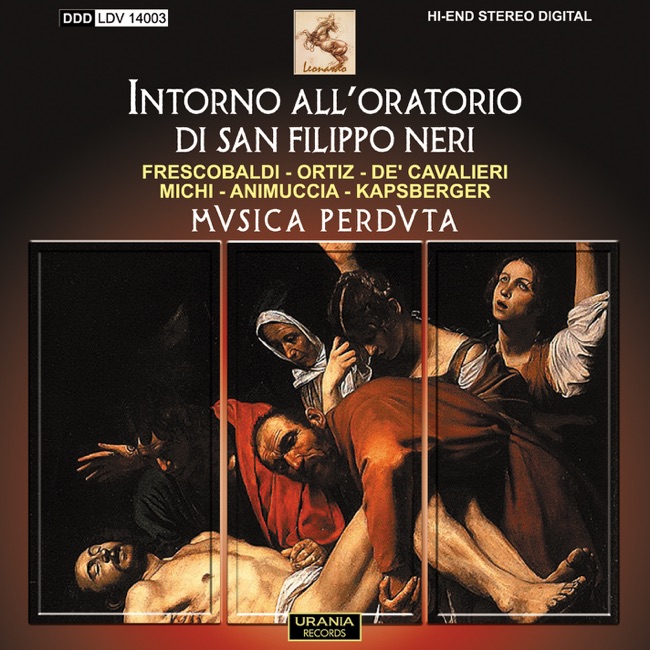 July 2, 2012
 -
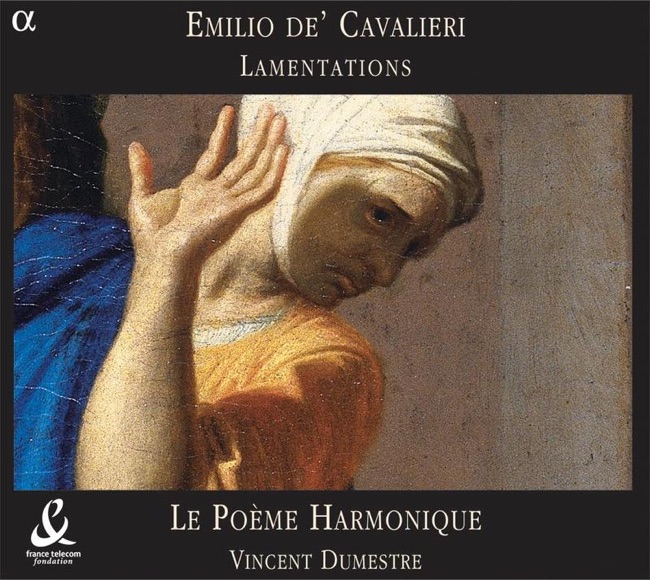 July 20, 2004
Chamber
-
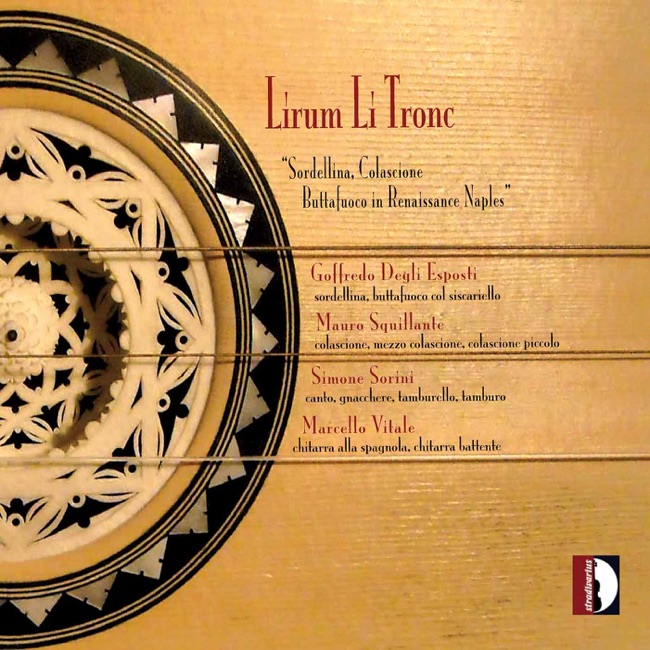 May 12, 2009
Artist Info
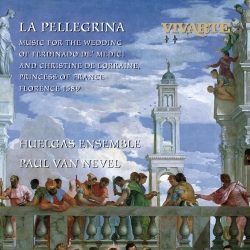
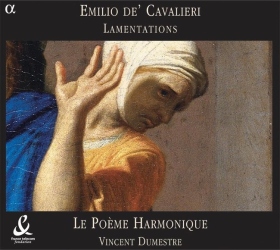
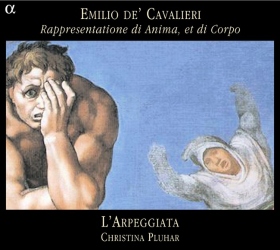
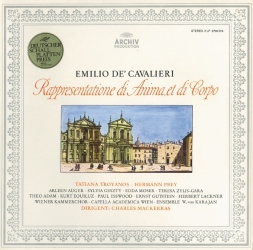
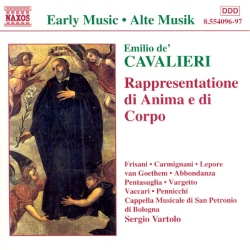
Role:ComposerCountry: ItalyBirth:ca. 1550 in ItalyDeath:March 11, 1602 in Rome, ItalyPeriod:RenaissanceGenre:ChoralVocalEmilio de' Cavalieri was an Italian composer and musician who lived during the late Renaissance and early Baroque periods. He was born in Rome in 1550, into a family of musicians. His father, Vincenzo de' Cavalieri, was a composer and singer at the Papal Chapel, and his mother, Isabella de' Rossi, was a singer and lutenist. Emilio de' Cavalieri showed an early interest in music and began his musical education at a young age. He studied with his father and other prominent musicians in Rome, including Giovanni Pierluigi da Palestrina, one of the most important composers of the Renaissance. Cavalieri also studied the lute and the harpsichord, and he became a skilled performer on both instruments. In the late 1570s, Cavalieri became involved with the Florentine Camerata, a group of musicians, poets, and intellectuals who were interested in reviving the music of ancient Greece. The Camerata believed that music should be based on the natural rhythms and melodies of speech, and they sought to create a new style of music that was more expressive and emotional than the polyphonic music of the Renaissance. Cavalieri was one of the leading composers of the Florentine Camerata, and he wrote several works that were influential in the development of opera. His most famous work is the opera Rappresentatione di Anima, et di Corpo (Representation of the Soul and the Body), which was first performed in Rome in 1600. The opera is a morality play that tells the story of the struggle between the soul and the body for control of a human being. It is considered one of the first operas in the history of Western music. In addition to his work as a composer, Cavalieri was also a prominent musician and music director in Rome. He served as the maestro di cappella (music director) at the Basilica of Santa Maria Maggiore, one of the most important churches in Rome, from 1585 until his death in 1602. He also worked as a music teacher and mentor to many young musicians in Rome, including the composer Claudio Monteverdi. Cavalieri's music is characterized by its expressive melodies, rich harmonies, and use of chromaticism. He was one of the first composers to use the basso continuo, a technique in which a keyboard instrument (such as a harpsichord or organ) and a bass instrument (such as a cello or bassoon) provide a harmonic foundation for the music. This technique became a standard feature of Baroque music. In addition to Rappresentatione di Anima, et di Corpo, Cavalieri wrote several other works that are still performed today. These include the madrigal collection Rime spirituali (Spiritual Rhymes), the motet collection Sacrae cantiones (Sacred Songs), and the balletti (dance songs) La Pellegrina (The Pilgrim) and Il Satiro (The Satyr). Cavalieri's influence on the development of opera and Baroque music cannot be overstated. His use of the basso continuo and his emphasis on expressive melody and harmony paved the way for the music of composers such as Monteverdi, Alessandro Scarlatti, and Johann Sebastian Bach. His work with the Florentine Camerata helped to establish the principles of opera and paved the way for the development of the genre in the 17th and 18th centuries. Despite his significant contributions to music, Cavalieri's legacy has been somewhat overshadowed by the work of his contemporaries and successors.More....
Recent Artist Music
6
2:30
10
1:34
14
3:9
Copyright Ⓒ 2013 Davinci Finger. All rights reseved
Service Terms & Policy