Béla Bartók
Hungarian Folksongs
Released Album
Recent Album
Works Info
Composer:Béla BartókGenre:ChamberStyle:Chamber MusicCompose Date:1908 - 1909Average_duration:9:03Hungarian Folksongs is a collection of 15 pieces for piano composed by Béla Bartók between 1907 and 1917. The work was premiered in Budapest in 1918. The collection is divided into three movements, each containing five pieces. The first movement is characterized by its lively and energetic rhythms, which are typical of Hungarian folk music. The pieces in this movement are based on traditional Hungarian dances, such as the verbunkos and csárdás. Bartók's use of syncopation and irregular meters gives these pieces a unique and modern sound. The second movement is more introspective and melancholic in character. The pieces in this movement are based on Hungarian folk songs, which Bartók collected during his travels throughout the country. The composer's use of modal harmonies and dissonant chords creates a haunting and atmospheric mood. The final movement is the most virtuosic and technically demanding of the three. The pieces in this movement are based on Hungarian gypsy music, which Bartók was also interested in. The composer's use of rapid arpeggios, complex rhythms, and chromatic harmonies creates a sense of improvisation and spontaneity. Overall, Hungarian Folksongs is a significant work in Bartók's oeuvre, as it showcases his interest in folk music and his innovative approach to composition. The collection is a testament to Bartók's commitment to preserving and promoting the music of his native Hungary, and it remains a popular and influential work in the piano repertoire.More....
Works Music
Released Music
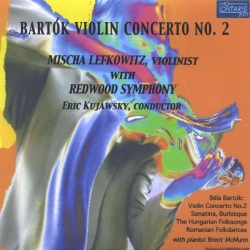
4
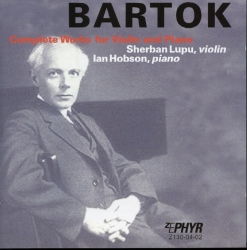
Hungarian folk songs
Lento, poco rubato; Allegretto; Allegretto scherzando; Sostenuto; Allegro robusto
4:27