John Cage
Swinging
Released Album
Recent Album
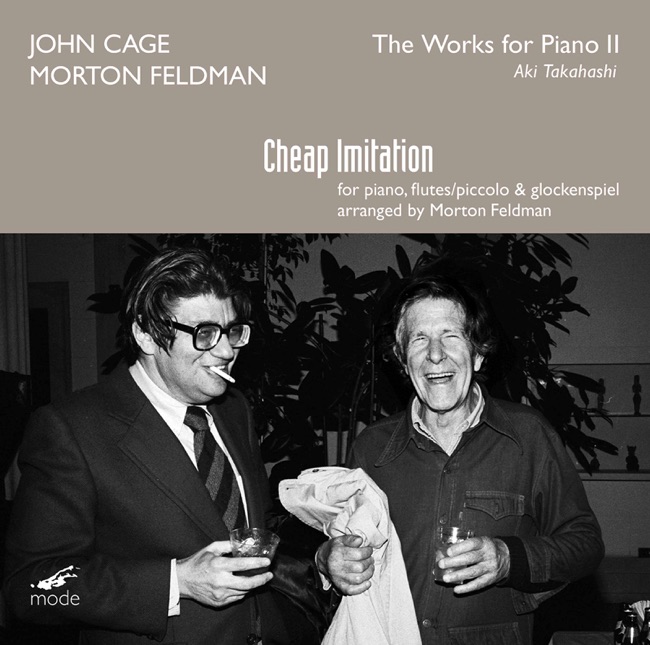
Works Info
Composer:John CageGenre:KeyboardStyle:Character PieceCompose Date:1989Average_duration:1:31'Swinging' is a composition by John Cage, an American composer, philosopher, and writer. It was composed in 1944 and premiered on May 24, 1945, at the Museum of Modern Art in New York City. The piece is a part of Cage's early works, which were heavily influenced by his interest in Eastern philosophy and his experimentation with chance operations. 'Swinging' is a percussion ensemble piece that consists of four movements. The first movement is titled 'First Construction (in Metal),' and it features a variety of metal percussion instruments, including gongs, cymbals, and tam-tams. The second movement is titled 'Second Construction (in Wood),' and it features wooden percussion instruments, such as maracas, claves, and xylophones. The third movement is titled 'Third Construction (in Metal),' and it features a combination of metal and wooden percussion instruments. The fourth and final movement is titled 'Fourth Construction,' and it features a variety of percussion instruments, including drums, cowbells, and rattles. One of the characteristics of 'Swinging' is its use of chance operations. Cage used a variety of methods to determine the order and duration of the sounds in the piece, including the use of the I Ching, a Chinese divination text. This approach to composition was a departure from traditional Western music, which relied on predetermined structures and forms. Another characteristic of 'Swinging' is its use of non-traditional percussion instruments. Cage was interested in exploring the sounds that could be produced by everyday objects, such as tin cans and brake drums. This approach to instrumentation was also a departure from traditional Western music, which relied on a standard set of instruments. Overall, 'Swinging' is a groundbreaking composition that challenged traditional Western music conventions and paved the way for the experimental music of the 20th century. Its use of chance operations and non-traditional instrumentation continue to influence contemporary composers and performers.More....
Works Music
Released Music