


Paul Hindemith
Sonata for violin & piano in D major, Op. 11/2
Released Album
Recent Album
Featured Album
Works Info
Composer:Paul HindemithGenre:ChamberStyle:SonataCompose Date:1918Average_duration:18:51Movement_count:3Movement ....The Sonata for violin and piano in D major, Op. 11/2, was composed by Paul Hindemith in 1918. It premiered on December 1, 1918, in Frankfurt, Germany, with the composer himself on the violin and pianist Maria Bergmann. The sonata is divided into three movements: the first movement is marked "Fröhlich bewegt" (lively and cheerful), the second movement is marked "Ruhig und einfach" (calm and simple), and the third movement is marked "Lebhaft" (lively). The first movement opens with a lively and rhythmic theme played by the violin, which is then echoed by the piano. The two instruments engage in a playful dialogue, with the violin often taking the lead. The second movement is more introspective, with a simple and lyrical melody played by the violin over a gentle accompaniment by the piano. The movement gradually builds in intensity before returning to its peaceful opening theme. The final movement is the most energetic of the three, with a lively and syncopated rhythm that propels the music forward. The violin and piano engage in a virtuosic dialogue, with both instruments showcasing their technical abilities. The movement ends with a triumphant coda that brings the sonata to a thrilling conclusion. Overall, the Sonata for violin and piano in D major, Op. 11/2, is a prime example of Hindemith's early style, which was characterized by a blend of traditional tonality and modernist techniques. The sonata is notable for its rhythmic vitality, playful melodies, and virtuosic writing for both instruments. It remains a popular work in the violin and piano repertoire.More....
Works Music
Released Music
1
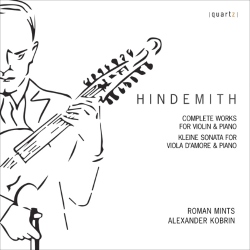
6:55
2
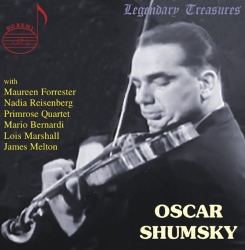
5:41
3
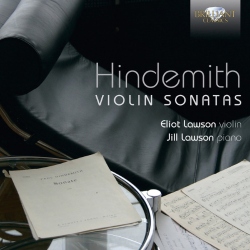
6:47
4
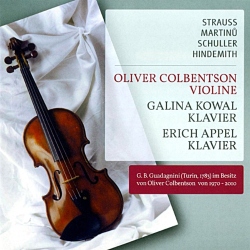
6:3
5
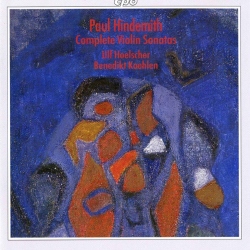
Sonata for violin & piano in D major, Op. 11/2
Im Zeitmaß und Charakter eines geschwinden Tanzes
4:52
6
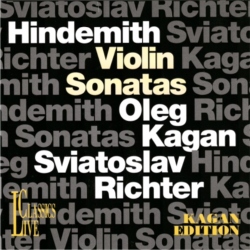
7:1
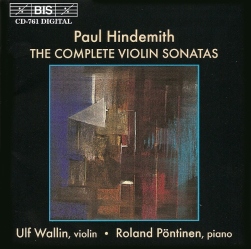
Featured Music
1

5:55
3
Sonata for violin & piano in D major, Op. 11/2
Im Zeitmass und Charakter eines geschwinden Tanzes
5:5