


Dietrich Buxtehude
Chorale prelude for organ in G major, BuxWV 192, "Herr Christ der einig Gottes Sohn"
Released Album
Recent Album

Works Info
Composer:Dietrich BuxtehudeGenre:KeyboardStyle:Chorale PreludeAverage_duration:3:08Dietrich Buxtehude's 'Chorale prelude for organ in G major, BuxWV 192, Herr Christ der einig Gottes Sohn' is a beautiful piece of music that was composed in the 17th century. The piece is a chorale prelude, which is a type of composition that is based on a hymn or chorale. Buxtehude's chorale prelude is based on the hymn 'Herr Christ der einig Gottes Sohn', which was written by Johann Heermann in the 17th century. The composition was most likely composed in the 1680s, during Buxtehude's time as the organist at the Marienkirche in Lübeck, Germany. The piece was likely composed for use in church services, as chorale preludes were often used as preludes or postludes to hymns. The 'Chorale prelude for organ in G major, BuxWV 192, Herr Christ der einig Gottes Sohn' is composed of four movements. The first movement is a simple and elegant introduction, which sets the tone for the rest of the piece. The second movement is a fugue, which is a type of composition that features a main theme that is repeated and developed throughout the piece. The fugue in this piece is complex and intricate, with multiple voices weaving in and out of each other. The third movement is a beautiful and lyrical setting of the hymn tune. The melody is played in the upper voice, while the lower voices provide a rich and harmonious accompaniment. The final movement is a grand and triumphant conclusion, which brings the piece to a satisfying close. One of the characteristics of Buxtehude's 'Chorale prelude for organ in G major, BuxWV 192, Herr Christ der einig Gottes Sohn' is its use of counterpoint. Counterpoint is a technique in which multiple melodies are played simultaneously, creating a rich and complex texture. Buxtehude's use of counterpoint in this piece is masterful, with each voice contributing to the overall beauty and complexity of the composition. Another characteristic of the piece is its use of harmony. Buxtehude's harmonies are rich and varied, with unexpected chord progressions and modulations that keep the listener engaged and interested throughout the piece. Overall, Buxtehude's 'Chorale prelude for organ in G major, BuxWV 192, Herr Christ der einig Gottes Sohn' is a beautiful and masterful composition that showcases the composer's skill and creativity. Its use of counterpoint and harmony make it a timeless piece of music that is still enjoyed and appreciated by listeners today.More....
Works Music
Released Music
1
3:12
2
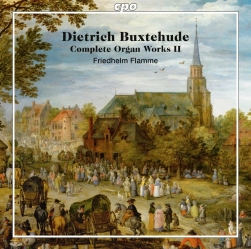
2:22
3
2:49
4
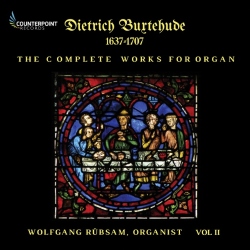
2:44
5
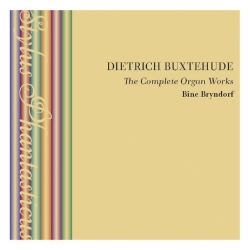
Chorale prelude for organ in G major, BuxWV 192, "Lord Christ the one God's Son"
Herr Christ, der einig Gottes Sohn, BuxWV 192
3:8
6
2:51
7
2:51
8
2:29
9
Chorale prelude for organ in G major, BuxWV 192, "Lord Christ the one God's Son"
Chorale prelude for organ, BuxWV 192 "Herr Christ, der einig Gottes Sohn"
2:6
10
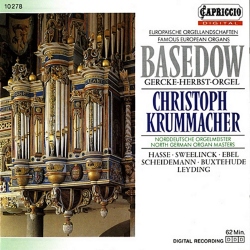
2:56