Jean Sibelius
Hymnus: Natus in curas, Op. 21
Released Album
Recent Album


Works Info
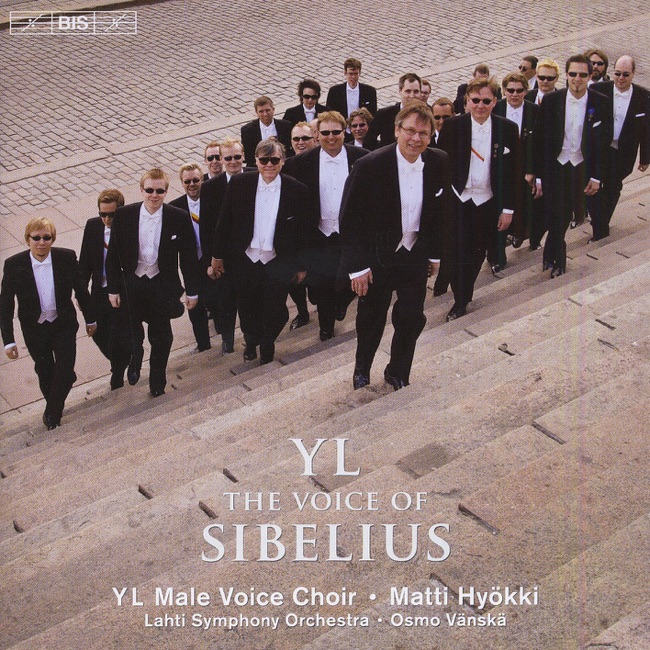
Composer:Jean SibeliusGenre:ChoralStyle:HymnCompose Date:1896Average_duration:3:26Jean Sibelius composed 'Hymnus: Natus in curas, Op. 21' in 1896. The piece was premiered on December 8, 1896, in Helsinki, Finland, by the Helsinki University Chorus and Orchestra, conducted by the composer himself. The piece is divided into three movements. The first movement, marked "Allegro," begins with a majestic brass fanfare that sets the tone for the entire piece. The choir enters with a powerful hymn, singing in Latin, "Natus in curas, natus in spinas, ecce homo qui est faba." The movement is characterized by its grandeur and intensity, with the choir and orchestra building to a climactic finish. The second movement, marked "Andante," is a stark contrast to the first. It begins with a solo cello playing a mournful melody, accompanied by the harp. The choir enters with a gentle, almost lullaby-like hymn, singing "Dormi, Jesu, mater ridet." The movement is characterized by its tenderness and simplicity, with the choir and orchestra creating a peaceful and serene atmosphere. The third movement, marked "Allegro," returns to the grandeur of the first movement. The choir enters with a triumphant hymn, singing "Gloria in excelsis Deo." The movement is characterized by its energy and excitement, with the choir and orchestra building to a powerful and joyful conclusion. Overall, 'Hymnus: Natus in curas, Op. 21' is a powerful and emotional piece that showcases Sibelius's skill as a composer. The use of Latin text and the grandeur of the choir and orchestra create a sense of reverence and awe, while the tenderness of the second movement adds a sense of intimacy and vulnerability. The piece is a testament to Sibelius's ability to create music that is both beautiful and meaningful.More....
Works Music
Released Music