George Frederick Handel
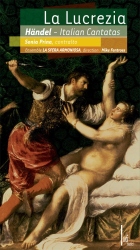
La Lucrezia (O Numi Eterni), HWV 145
Released Album
Recent Album


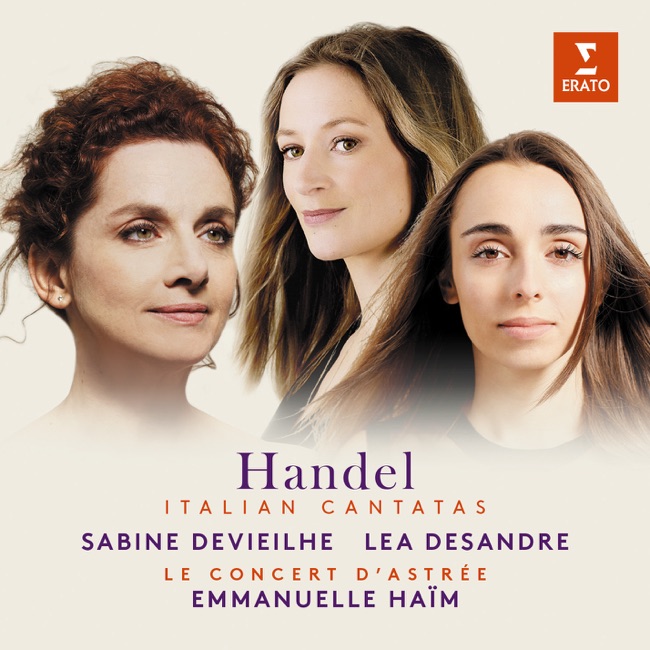
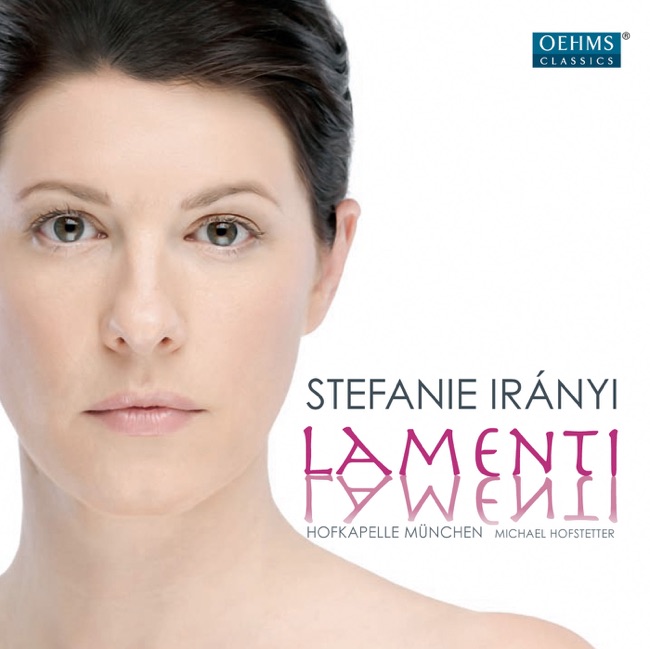
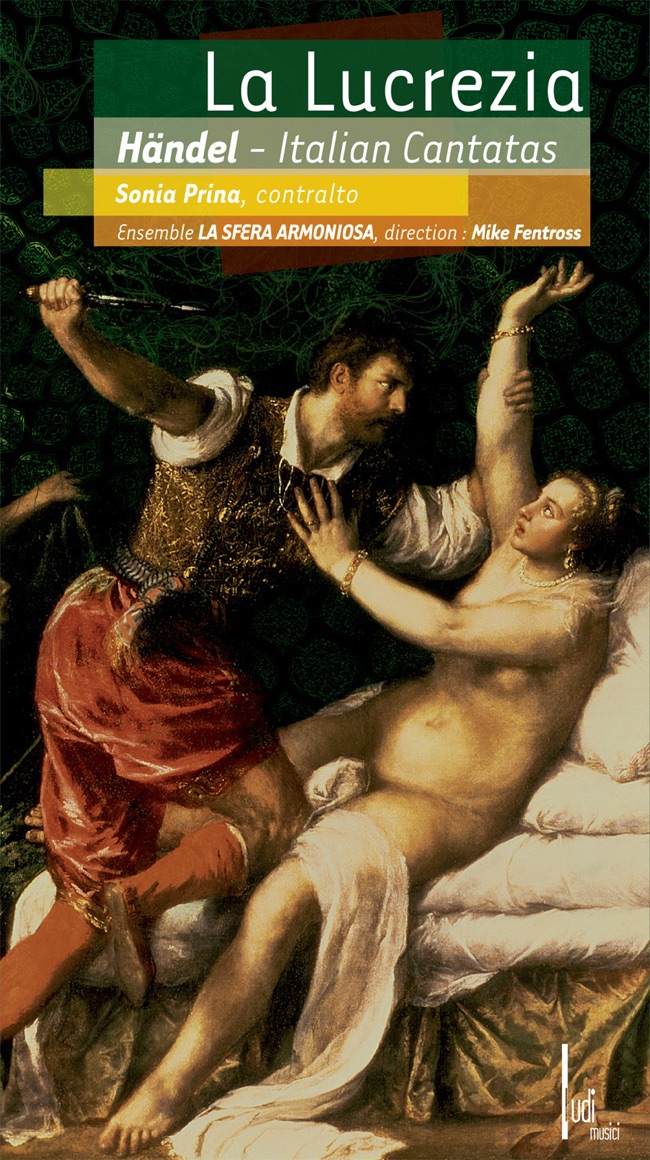
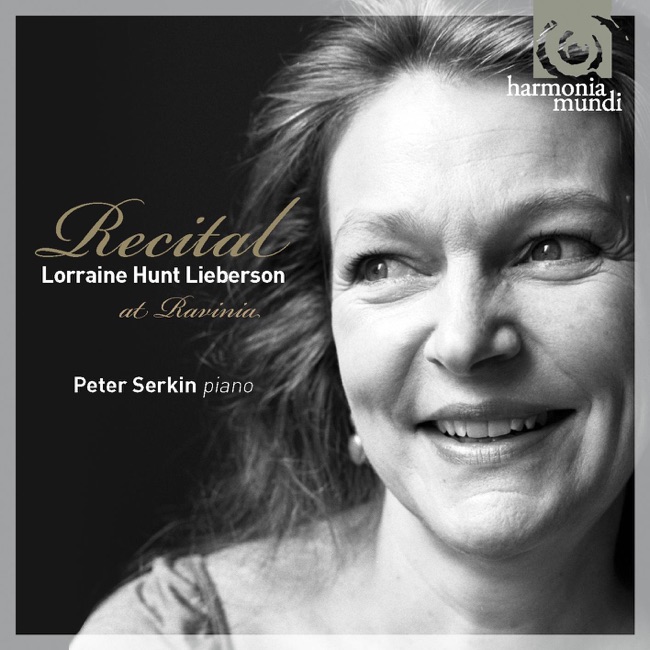
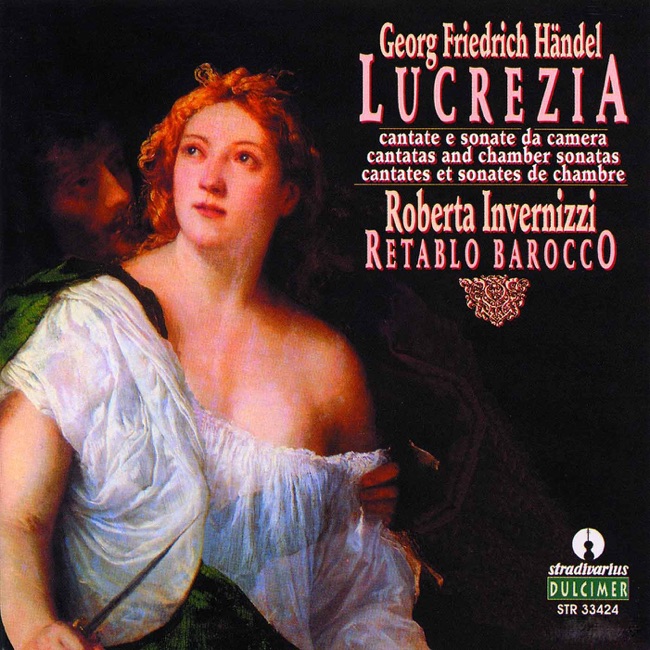
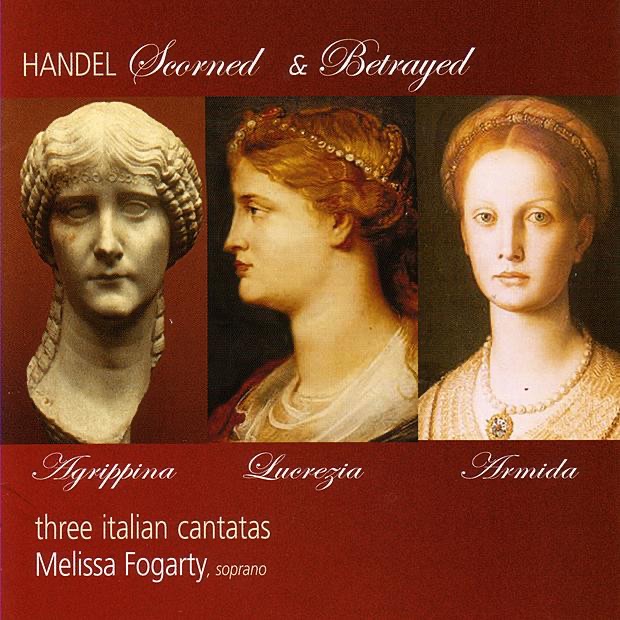
Featured Album

Works Info
Composer:George Frederick HandelGenre:ChoralStyle:CantataCompose Date:1708Average_duration:17:00Movement_count:8Movement ...."La Lucrezia (O Numi Eterni), HWV 145" is a cantata composed by George Frederick Handel in 1708. The piece was premiered in Rome, Italy, during Handel's time there as a young composer. The cantata is divided into three movements, each with its own distinct characteristics. The first movement, "O Numi Eterni," is a recitative that sets the scene for the cantata. The text is taken from a libretto by Cardinal Benedetto Pamphili and tells the story of Lucretia, a Roman noblewoman who was raped by the son of the king of Rome. The recitative is somber and mournful, reflecting the tragic nature of the story. The second movement, "Aria: Ardi, Cor, E Non Sai," is a fiery aria that expresses Lucretia's anger and desire for revenge. The music is fast-paced and intense, with Handel's signature use of virtuosic vocal runs and ornamentation. The text is full of vivid imagery, with Lucretia calling on the gods to "strike down the tyrant" who has wronged her. The final movement, "Recitative: Ah! Che Miro," is a reflective recitative that brings the cantata to a close. Lucretia laments her fate and expresses her desire to die rather than live with the shame of what has happened to her. The music is slow and mournful, with Handel's use of dissonance and chromaticism adding to the sense of despair. Overall, "La Lucrezia (O Numi Eterni), HWV 145" is a powerful and emotional work that showcases Handel's skill as a composer of vocal music. The cantata is notable for its dramatic intensity and vivid portrayal of the story of Lucretia, making it a standout work in Handel's early career.More....
Works Music
Released Music


7
The Lucrezia (O Numi Eterni), HWV 145
Già nel seno comincia a compir questo ferro i duri uffizii
1:16
9
5:2
Featured Music
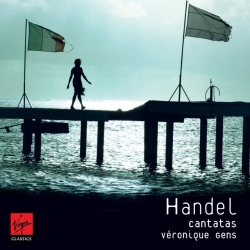

Recommend Playlist