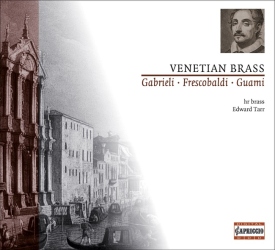
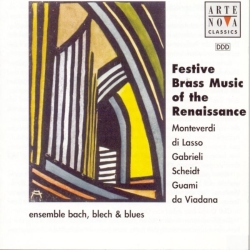
Gioseffo Guami
Canzon No. 25 a 8 for brass ensemble
Released Album
Recent Album
Works Info
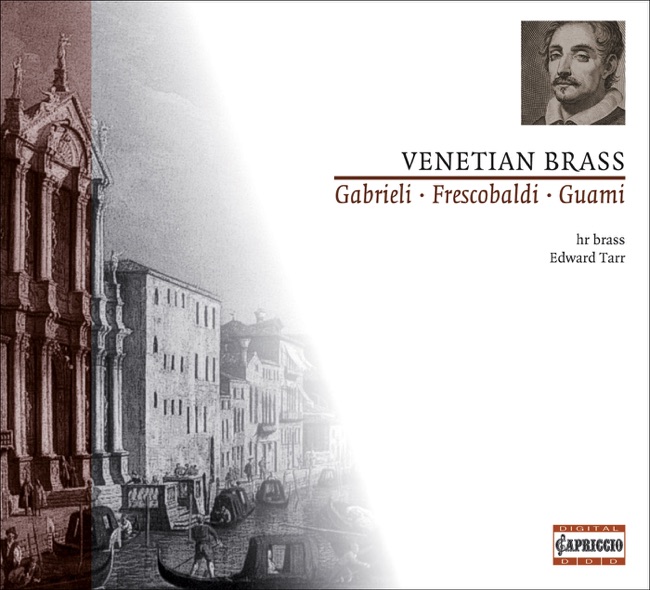
Composer:Gioseffo GuamiGenre:ChamberStyle:CanzonaAverage_duration:2:38Gioseffo Guami was an Italian composer and organist of the late Renaissance period. He was born in Lucca in 1542 and died in Venice in 1611. Guami was a prominent member of the Venetian School of composers, which was known for its innovative use of harmony and instrumental color. One of Guami's most famous works is his Canzon No. 25 a 8 for brass ensemble. This piece was composed in the late 16th century and is considered a masterpiece of the Venetian School. It was likely written for performance at a ceremonial occasion, such as a wedding or a state event. The Canzon No. 25 a 8 is written for eight brass instruments: two cornetts, two trombones, and four sackbuts. The piece is divided into three movements, each with its own distinct character and mood. The first movement is marked "Allegro" and is characterized by its lively, dance-like rhythm. The two cornetts play the main melody, while the trombones and sackbuts provide a rich harmonic accompaniment. The movement is full of energy and excitement, and it showcases Guami's skill at writing for brass instruments. The second movement is marked "Adagio" and is a stark contrast to the first. It is a slow, mournful piece that features the cornetts playing a beautiful, lyrical melody. The trombones and sackbuts provide a somber, melancholy accompaniment. This movement is a testament to Guami's ability to create a wide range of emotions through his music. The final movement is marked "Allegro" and is a return to the lively, dance-like rhythm of the first. The cornetts once again play the main melody, while the trombones and sackbuts provide a lively, energetic accompaniment. This movement is full of joy and celebration, and it brings the piece to a rousing conclusion. Overall, the Canzon No. 25 a 8 is a masterpiece of the Venetian School. It showcases Guami's skill at writing for brass instruments and his ability to create a wide range of emotions through his music. The piece is still performed today and is considered a classic of the Renaissance period.More....