


Gioseffo Guami
Released Album
Chamber
-
 March 13, 2012
 -
 April 28, 2009
 -
 February 10, 2009
 -
 October 1, 1999
 -
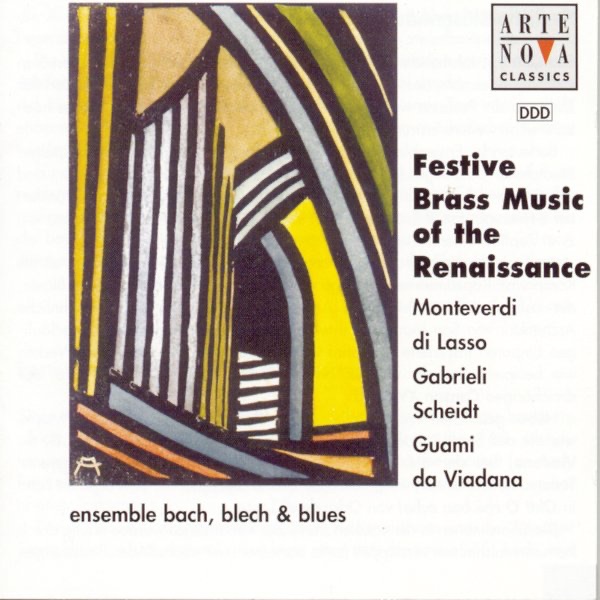 September 30, 1997
 -
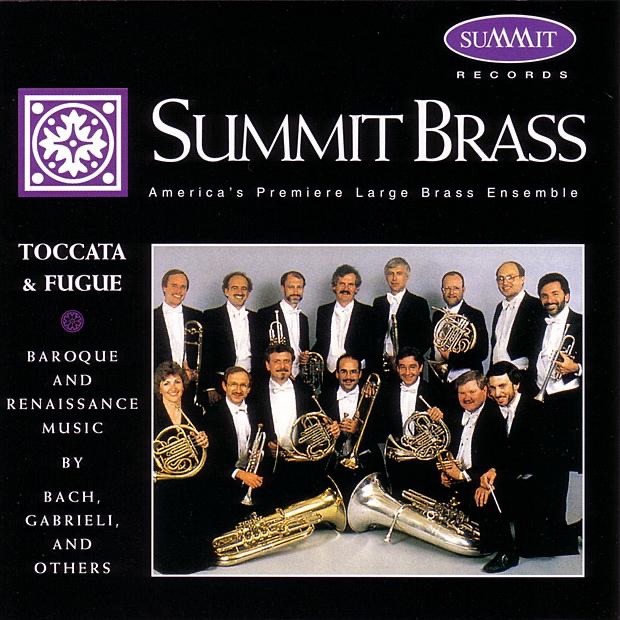 January 3, 1994
Vocal
-
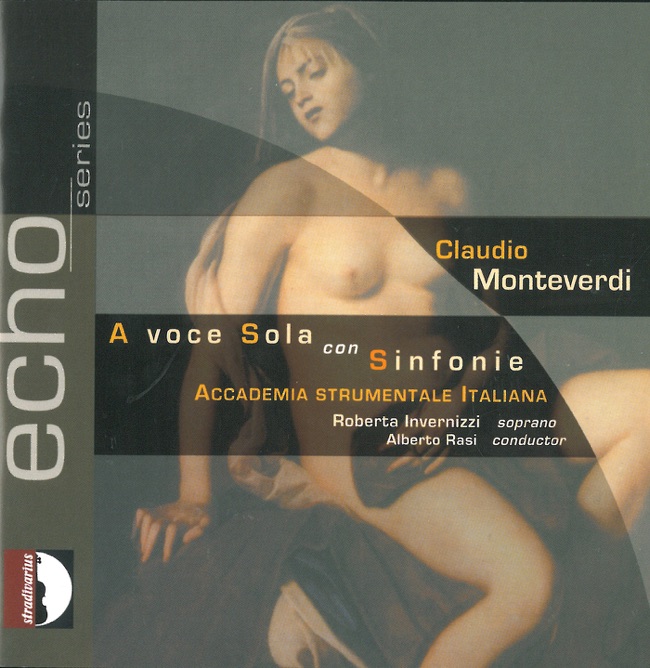 September 12, 2006
 -
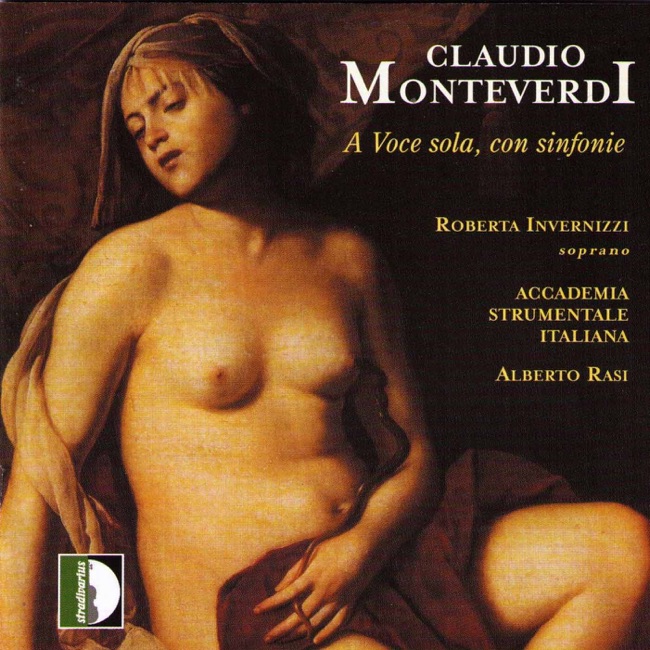 July 2, 2002
Miscellaneous
-
 June 20, 1995
Keyboard
-
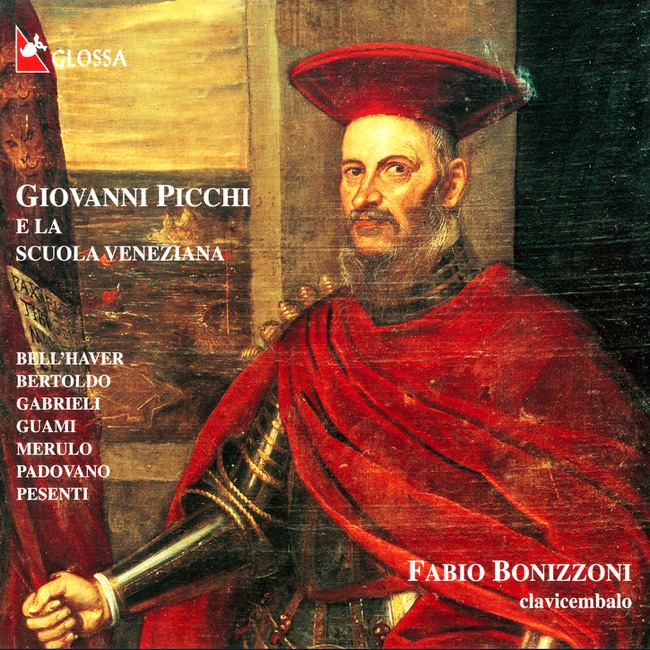 October 17, 2000
Artist Info
Role:ComposerCountry: ItalyBirth:1540Death:1611Period:RenaissanceGenre:ChamberGioseffo Guami was a prominent Italian composer of the late Renaissance period. He was born in Lucca, Italy in 1542, and was the son of a musician. His father, Francesco Guami, was a singer and instrumentalist who worked at the court of the Duke of Ferrara. Gioseffo grew up in a musical environment and began his musical education at a young age. Gioseffo Guami's early musical training was under the tutelage of his father. He learned to play the lute, viola da gamba, and other instruments. He also received training in singing and composition. In 1562, he moved to Venice to study with the famous composer Adrian Willaert. Willaert was the maestro di cappella at St. Mark's Basilica in Venice, and was one of the most influential composers of the time. Guami studied with Willaert for several years, and during this time he became proficient in the art of counterpoint. In 1568, Guami returned to Lucca and was appointed as the maestro di cappella at the Cathedral of San Martino. He held this position for the rest of his life. During his time in Lucca, Guami composed a large number of works for the church, including masses, motets, and hymns. He also wrote secular music, including madrigals and instrumental pieces. One of Guami's most famous works is his Missa "Inclina cor meum". This mass is written for eight voices and is known for its complex polyphonic textures. The mass was composed in 1583 and was dedicated to the Duke of Ferrara. Another notable work by Guami is his "Canzonette a tre voci". This collection of madrigals was published in 1588 and is considered to be one of the finest examples of Italian madrigal writing. Guami was known for his skill in writing for multiple voices. He was particularly adept at writing for double choir, and many of his works feature this technique. His music is characterized by its complex harmonies and intricate counterpoint. He was also known for his use of chromaticism, which was a relatively new technique at the time. In addition to his work as a composer, Guami was also a respected music theorist. He wrote several treatises on music theory, including "Regole, passaggi di musica", which was published in 1588. This treatise is a comprehensive guide to counterpoint and includes examples from Guami's own compositions. Guami's influence on music was significant. His works were widely performed during his lifetime and were highly regarded by his contemporaries. He was particularly influential in the development of the Venetian school of music, which was characterized by its use of polychoral techniques and complex harmonies. Gioseffo Guami died in Lucca in 1611. His legacy as a composer and music theorist continues to be celebrated today. His works are still performed and recorded, and his contributions to the development of music during the Renaissance period are widely recognized.More....
Recent Artist Music

Copyright Ⓒ 2013 Davinci Finger. All rights reseved
Service Terms & Policy