


Giuseppe Sammartini
Sonata for flute/violin/oboe & continuo in G minor, Op. 13/5
Released Album
Recent Album
Works Info
Composer:Giuseppe SammartiniGenre:ChamberStyle:Chamber MusicCompose Date:ca. 1760Average_duration:7:35Giuseppe Sammartini's Sonata for flute/violin/oboe & continuo in G minor, Op. 13/5, is a Baroque chamber music piece composed in the early 18th century. The exact date of composition is unknown, but it is believed to have been written between 1720 and 1730. The sonata is one of Sammartini's most famous works and is often performed by chamber music ensembles. The sonata consists of four movements: Adagio, Allegro, Largo, and Allegro. The first movement, Adagio, is a slow and mournful introduction that sets the tone for the rest of the piece. The second movement, Allegro, is a lively and energetic dance that showcases the virtuosity of the solo instrument. The third movement, Largo, is a slow and expressive aria that allows the soloist to showcase their lyrical abilities. The final movement, Allegro, is a fast and lively dance that brings the piece to a thrilling conclusion. The sonata is characterized by its use of counterpoint, which is the technique of combining two or more melodic lines in a way that creates a harmonious whole. Sammartini's use of counterpoint is particularly evident in the second and fourth movements, where the solo instrument and continuo engage in a lively and intricate dialogue. The sonata also features a number of virtuosic passages for the solo instrument, which require a high level of technical skill and precision. Overall, Sammartini's Sonata for flute/violin/oboe & continuo in G minor, Op. 13/5, is a masterful example of Baroque chamber music. Its combination of expressive melodies, intricate counterpoint, and virtuosic solo passages make it a favorite among performers and audiences alike.More....
Works Music
Released Music
1
3:44
2
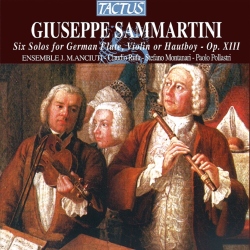
2:43
3
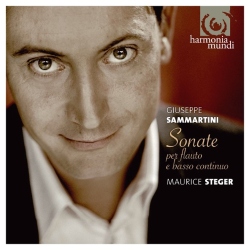
3:48