Carlos Chávez
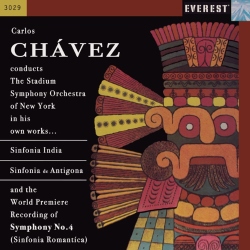
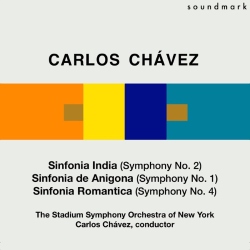
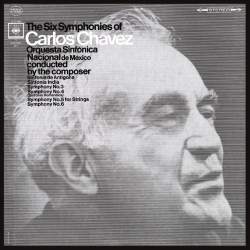
Symphony No. 1 "Sinfonía de Antígona"
Released Album
Recent Album
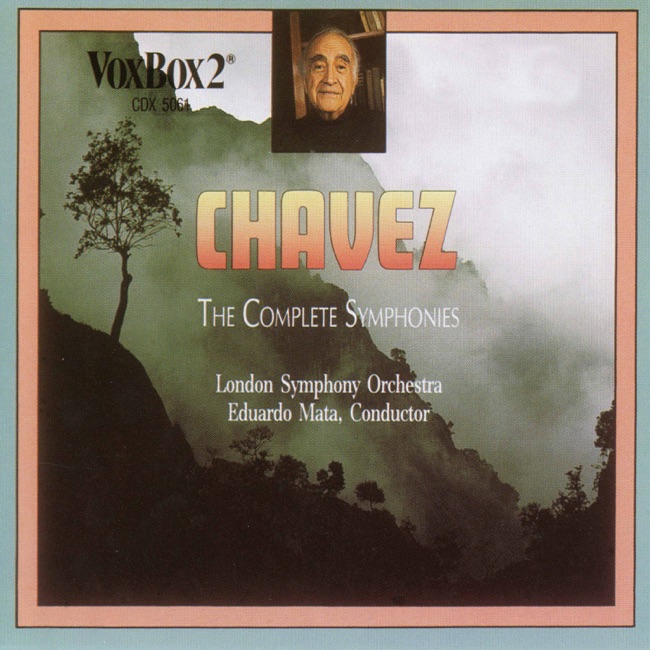

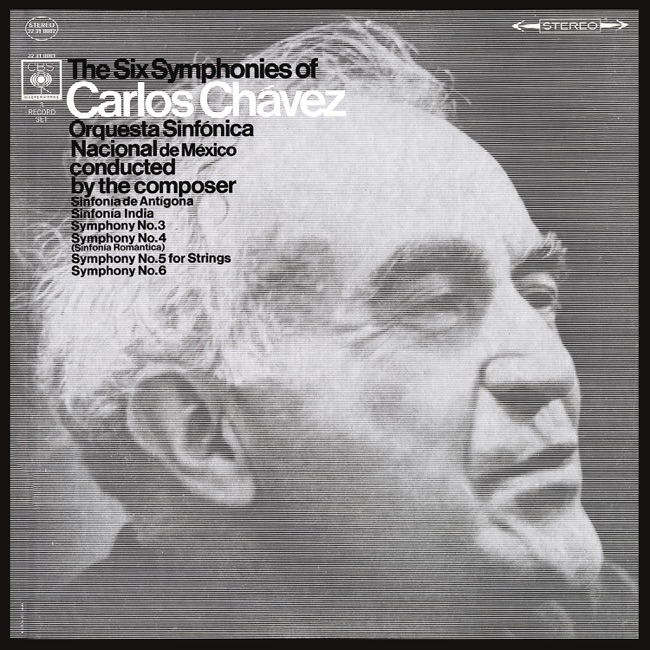
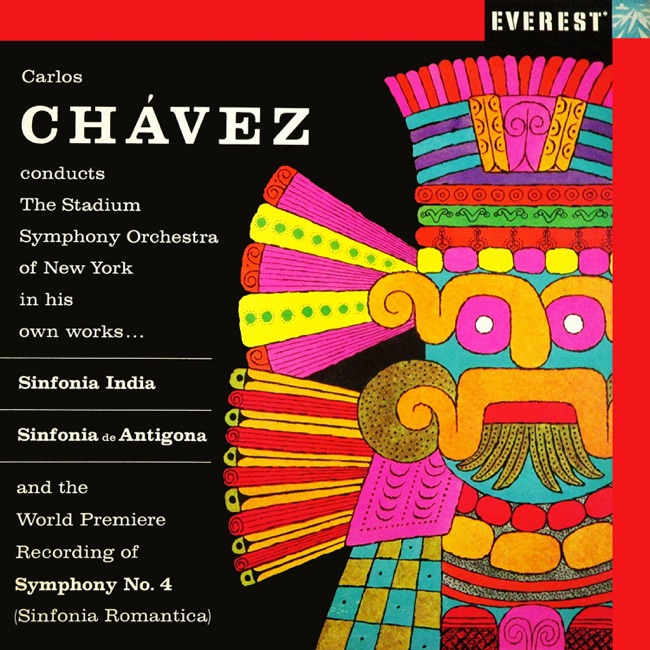
Featured Album
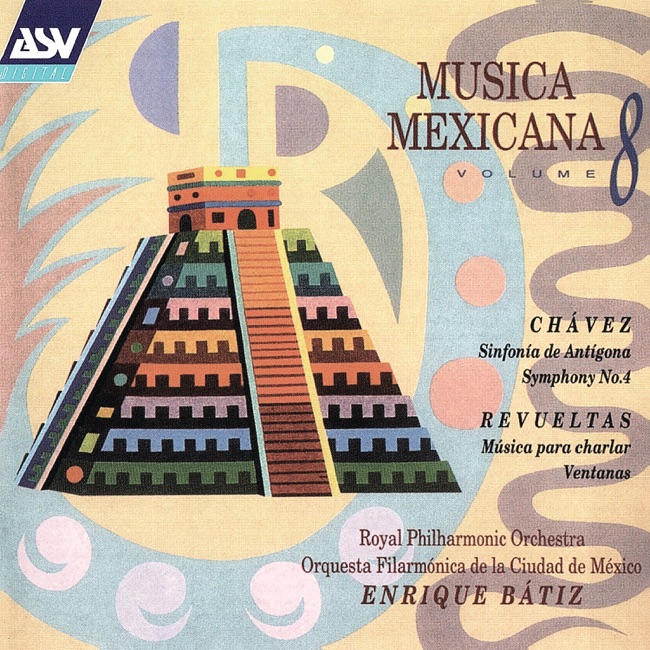
Works Info
Composer:Carlos ChávezGenre:SymphonyStyle:SymphonyCompose Date:1932Average_duration:12:41Symphony No. 1, also known as Sinfonía de Antígona, was composed by Mexican composer Carlos Chávez in 1933. The symphony was inspired by the Greek tragedy Antigone by Sophocles, which tells the story of a woman who defies the law to bury her brother and is subsequently punished by the state. The symphony is divided into three movements. The first movement, titled "Antígona," is marked by a slow and mournful melody that represents the tragic heroine. The second movement, "Creonte," is faster and more aggressive, representing the oppressive state that Antigone defies. The final movement, "Coro y Toccata," is a combination of a choral section and a toccata, a fast and virtuosic keyboard piece. This movement represents the conflict between Antigone and Creon, as well as the ultimate resolution of the tragedy. One of the characteristics of Symphony No. 1 is its use of Mexican folk music elements, such as the use of percussion instruments like the maracas and the guiro. Chávez was a strong advocate for incorporating indigenous Mexican music into classical compositions, and this symphony is a prime example of his efforts to do so. Additionally, the symphony features a large orchestra, including a full brass section, which creates a powerful and dramatic sound. Symphony No. 1 premiered on October 22, 1933, in Mexico City, conducted by Chávez himself. The symphony was well-received by audiences and critics alike, and it helped establish Chávez as one of the leading composers of his time. Today, Symphony No. 1 remains a popular and influential work in the classical music canon, and it continues to be performed by orchestras around the world.More....
Works Music
Released Music
1
10:57
2
10:51
3

11:32

6
10:17
7

10:57
Featured Music