Giuseppe Tartini
Sonata for violin in B minor, B. h1
Released Album
Recent Album
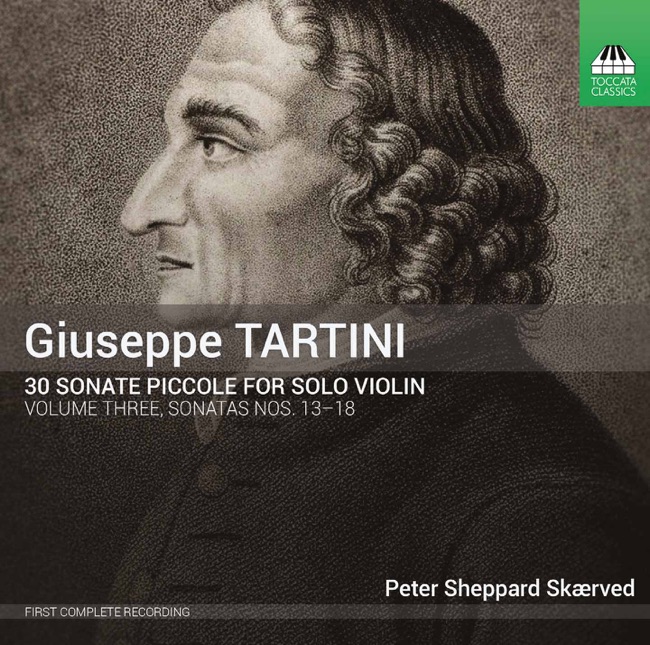


Featured Album

Works Info
Composer:Giuseppe TartiniGenre:ChamberStyle:Chamber MusicCompose Date:ca. 1750Average_duration:9:48Movement_count:3Movement ....The Sonata for violin in B minor, B. h1, is a renowned composition by the Italian composer and violinist Giuseppe Tartini. The piece was composed in the early 18th century, around 1713, and is considered one of Tartini's most significant works. The sonata premiered in Venice, Italy, and quickly gained popularity among music enthusiasts. The sonata is divided into four movements, each with its unique characteristics. The first movement, marked "Larghetto affettuoso," is a slow and expressive introduction that sets the tone for the rest of the piece. The second movement, marked "Allegro," is a lively and energetic section that showcases Tartini's virtuosic violin writing. The third movement, marked "Grave," is a somber and introspective section that provides a contrast to the previous movement. The final movement, marked "Presto," is a fast and exciting conclusion that brings the piece to a thrilling end. The sonata's most notable characteristic is its technical demands on the performer. Tartini was a skilled violinist himself, and he wrote the piece to showcase his own abilities. The sonata features intricate runs, double stops, and challenging bowing techniques that require a high level of skill and precision from the performer. Additionally, the sonata's expressive and emotional qualities require the performer to convey a range of emotions through their playing. Overall, the Sonata for violin in B minor, B. h1, is a masterpiece of Baroque music that continues to be performed and admired today. Its technical demands and emotional depth make it a challenging and rewarding piece for both performers and listeners alike.More....
Works Music
Released Music


Featured Music