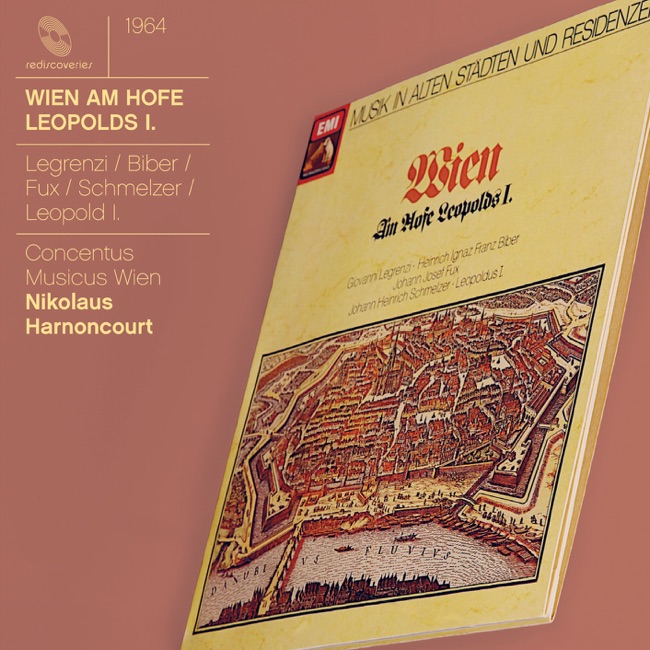
Johann Joseph Fux
Sinfonia No. 7 in F major (from "Concentus musico-instrumentalis")
Released Album
Recent Album
Works Info
Composer:Johann Joseph FuxGenre:OrchestralPublication Date:1701Average_duration:12:23Movement_count:4Movement ....Johann Joseph Fux's Sinfonia No. 7 in F major (from Concentus musico-instrumentalis) is a Baroque orchestral work that was composed in the early 18th century. The exact date of composition is unknown, but it is believed to have been written between 1701 and 1715. The piece was premiered in Vienna, Austria, where Fux was employed as the court composer for the Habsburgs. The Sinfonia No. 7 is a three-movement work that follows the traditional fast-slow-fast structure of Baroque instrumental music. The first movement is marked Allegro and is characterized by its lively and energetic rhythms. The second movement is marked Adagio and is a slow and contemplative piece that features a beautiful melody played by the strings. The final movement is marked Allegro and is a fast and lively piece that brings the work to a thrilling conclusion. One of the most notable characteristics of the Sinfonia No. 7 is its use of counterpoint, a technique that was highly valued in Baroque music. Fux was a master of counterpoint, and this is evident in the intricate and complex interplay between the different instruments in the orchestra. The piece also features a wide range of instrumental colors, with each section of the orchestra (strings, woodwinds, and brass) given the opportunity to shine. Overall, the Sinfonia No. 7 in F major is a prime example of Baroque instrumental music. Its lively rhythms, beautiful melodies, and intricate counterpoint make it a joy to listen to and a testament to Fux's skill as a composer.More....
Works Music
Released Music