Federico García Lorca
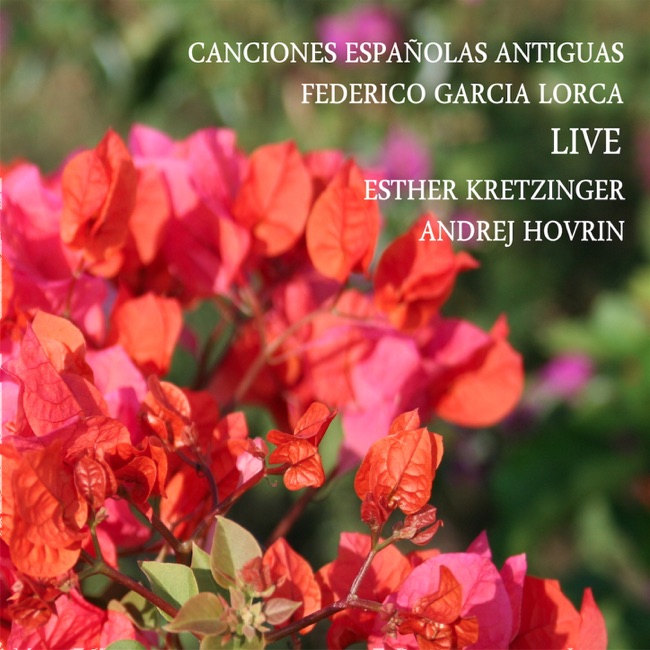
Canciones españolas antiguas "Los pelegrinitos"
Released Album
Recent Album


Works Info
Composer:Federico García LorcaGenre:VocalStyle:SongAverage_duration:3:40'Canciones españolas antiguas Los pelegrinitos' is a song cycle composed by Federico García Lorca in 1922. The premiere of the work took place in Madrid in 1923, with the composer himself accompanying the singer Encarnación López Júlvez, also known as La Argentinita. The cycle consists of four movements, each based on a traditional Spanish folk song. The first movement, "El peregrino" (The Pilgrim), is a lively and rhythmic song that tells the story of a pilgrim traveling to the shrine of the Virgin of Guadalupe. The second movement, "Anda jaleo" (Come on, Commotion), is a festive and energetic song that celebrates the joy of life and love. The third movement, "Las tres hojas" (The Three Leaves), is a melancholic and introspective song that reflects on the passing of time and the inevitability of death. The final movement, "Los cuatro muleros" (The Four Muleteers), is a lively and rhythmic song that tells the story of four muleteers traveling through the countryside. The characteristics of 'Canciones españolas antiguas Los pelegrinitos' reflect Lorca's interest in Spanish folklore and his desire to preserve and promote traditional Spanish music. The cycle is characterized by its use of traditional Spanish rhythms and melodies, as well as its incorporation of Lorca's own poetic language and imagery. The songs are also notable for their emotional depth and range, from the exuberant celebration of "Anda jaleo" to the melancholic reflection of "Las tres hojas." Overall, 'Canciones españolas antiguas Los pelegrinitos' is a testament to Lorca's talent as a composer and his commitment to preserving and promoting traditional Spanish music and culture. The cycle remains a beloved and influential work in the canon of Spanish music and poetry.More....
Works Music
Released Music
1

2:45