


Tomás Luis de Victoria
Lamentations for Good Friday
Released Album
Recent Album
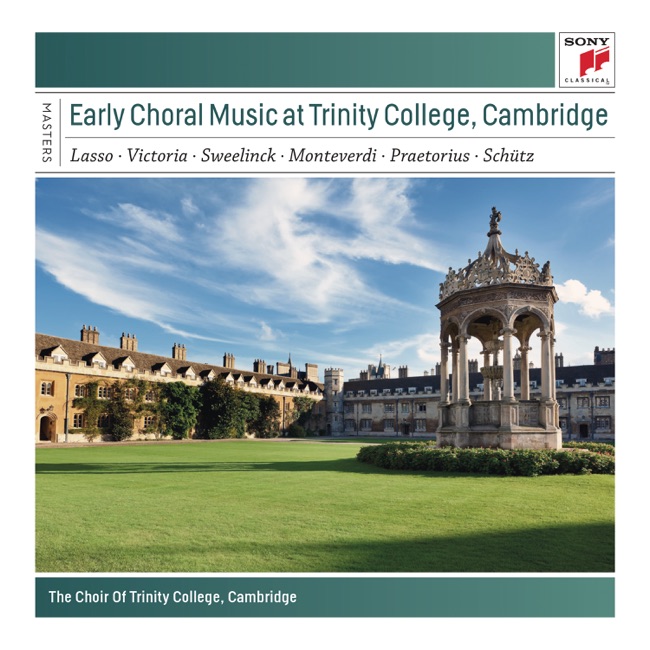

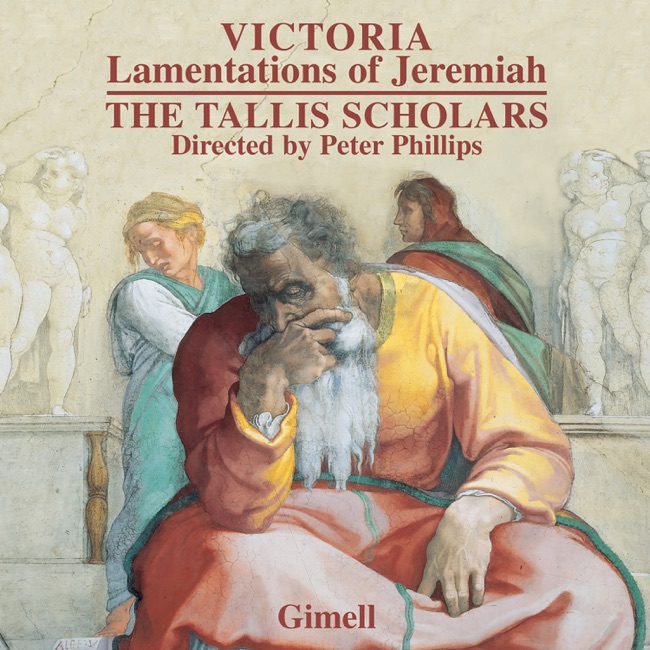
Works Info
Composer:Tomás Luis de VictoriaGenre:ChoralStyle:ChoralTomás Luis de Victoria's 'Lamentations for Good Friday' is a sacred choral work that was composed in the late 16th century. The piece was premiered in 1585 in Rome, where Victoria was working as a composer and musician for the Spanish embassy. The 'Lamentations' consist of three movements, each of which is based on a text from the Book of Lamentations in the Old Testament. The first movement, 'Incipit Lamentatio Ieremiae Prophetae', is a setting of the opening verses of the Book of Lamentations. The text describes the desolation of Jerusalem and the suffering of its people. Victoria's music captures the mournful tone of the text with its slow, mournful melody and rich harmonies. The movement is scored for four-part choir, with the voices weaving in and out of each other to create a sense of lamentation and mourning. The second movement, 'De Lamentatione Ieremiae Prophetae', is a setting of verses 1-5 of the third chapter of Lamentations. The text describes the suffering of the prophet Jeremiah, who is mourning the destruction of Jerusalem and the exile of its people. Victoria's music is more complex in this movement, with intricate polyphonic textures and frequent changes in tempo and dynamics. The choir sings in a more declamatory style, emphasizing the emotional intensity of the text. The final movement, 'Vau. Et Egressus Est', is a setting of verses 6-10 of the third chapter of Lamentations. The text describes the suffering of the people of Jerusalem and their longing for redemption. Victoria's music is more hopeful in this movement, with brighter harmonies and a more uplifting melody. The choir sings in a more joyful style, reflecting the hope and faith of the text. Overall, Victoria's 'Lamentations for Good Friday' is a powerful and moving work that captures the emotional intensity of the Good Friday liturgy. The music is characterized by its rich harmonies, intricate polyphonic textures, and expressive use of tempo and dynamics. The piece remains a beloved work of sacred choral music to this day.More....
Works Music
Released Music
3
31