Carlo Gesualdo
Resta di darmi noia, W. 6/23
Released Album
Recent Album
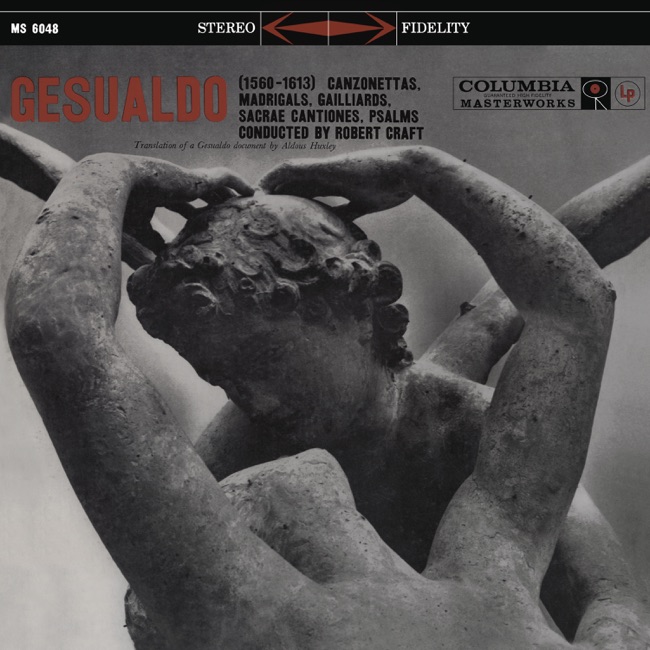
Featured Album
Works Info
Composer:Carlo GesualdoGenre:VocalStyle:Vocal MusicCompose Date:1611Average_duration:3:07"Resta di darmi noia" is a madrigal composed by Carlo Gesualdo, an Italian composer and nobleman of the late Renaissance period. The piece was composed in the late 16th century, around 1594, and is part of Gesualdo's sixth book of madrigals. The piece is written for five voices, with the text taken from a poem by Giovanni Battista Guarini. The poem is a lament from a lover who is frustrated with his beloved's indifference towards him. The music reflects the emotional intensity of the text, with Gesualdo's use of chromaticism and dissonance creating a sense of tension and unease. The madrigal is divided into two sections, with the first section featuring a homophonic texture and the second section featuring a more contrapuntal texture. The first section begins with a descending chromatic line in the bass voice, which sets the melancholic tone of the piece. The voices then enter one by one, with the soprano and alto voices singing a melody that is characterized by its use of dissonance and unexpected harmonic shifts. The tenor and bass voices provide a harmonic foundation for the piece, with the bass voice often emphasizing the chromatic descent that is heard at the beginning of the piece. The second section of the madrigal features a more complex texture, with the voices weaving in and out of each other in a contrapuntal fashion. The soprano and alto voices sing a melody that is characterized by its use of imitation, with each voice echoing the other in a call-and-response fashion. The tenor and bass voices provide a harmonic foundation for the piece, with the bass voice once again emphasizing the chromatic descent that is heard at the beginning of the piece. Overall, "Resta di darmi noia" is a powerful and emotionally charged piece of music that showcases Gesualdo's unique compositional style. The use of chromaticism and dissonance creates a sense of tension and unease that is perfectly suited to the text of the poem. The piece is a testament to Gesualdo's skill as a composer and his ability to create music that is both beautiful and emotionally powerful.More....
Works Music
Released Music

Featured Music