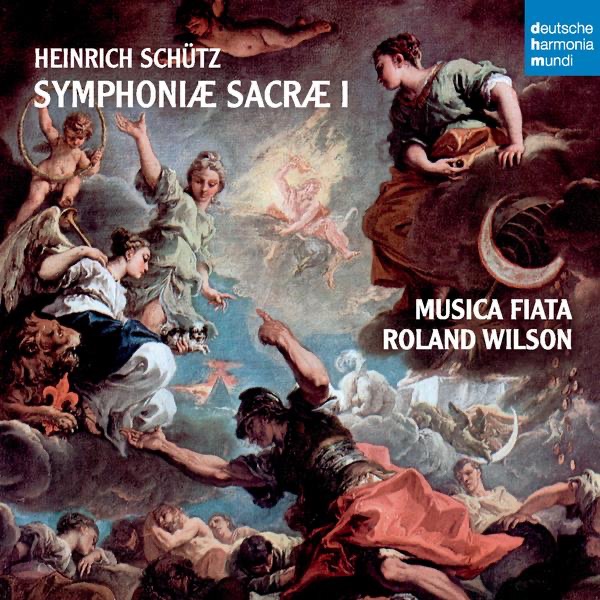
Heinrich Schütz
Venite ad me, SWV 261 (Op. 6/5)
Released Album
Recent Album

Works Info
Composer:Heinrich SchützGenre:ChoralStyle:SinfoniaPublication Date:1629Average_duration:8:45Heinrich Schütz's 'Venite ad me, SWV 261 (Op. 6/5)' is a sacred motet for five voices and basso continuo. It was composed in 1629 and premiered in Dresden, Germany. The piece is divided into three movements, each with its own unique characteristics. The first movement begins with a call to worship, as the text "Venite ad me" (Come to me) is sung in unison by the choir. The voices then split into five parts, with each voice singing a different line of text. The music is characterized by its use of imitative polyphony, with each voice taking turns singing the same melody in a different key. The basso continuo provides a steady foundation for the voices, with a simple chord progression that repeats throughout the movement. The second movement is a solo aria for alto voice, accompanied by the basso continuo. The text "Tollite jugum meum" (Take my yoke upon you) is sung in a gentle, flowing melody. The music is characterized by its use of ornamentation, with the alto voice adding trills and other embellishments to the melody. The basso continuo provides a simple, repetitive accompaniment that allows the voice to shine. The final movement returns to the full choir, with the text "Discite a me" (Learn from me) sung in unison. The music is characterized by its use of homophonic texture, with all voices singing the same melody at the same time. The basso continuo provides a simple, repetitive accompaniment that supports the voices. The movement builds to a climax with the text "et invenietis requiem animabus vestris" (and you will find rest for your souls), before ending with a quiet, peaceful resolution. Overall, 'Venite ad me, SWV 261 (Op. 6/5)' is a beautiful example of Schütz's sacred music. The piece showcases his mastery of polyphony, ornamentation, and homophonic texture, while also conveying a sense of reverence and devotion.More....