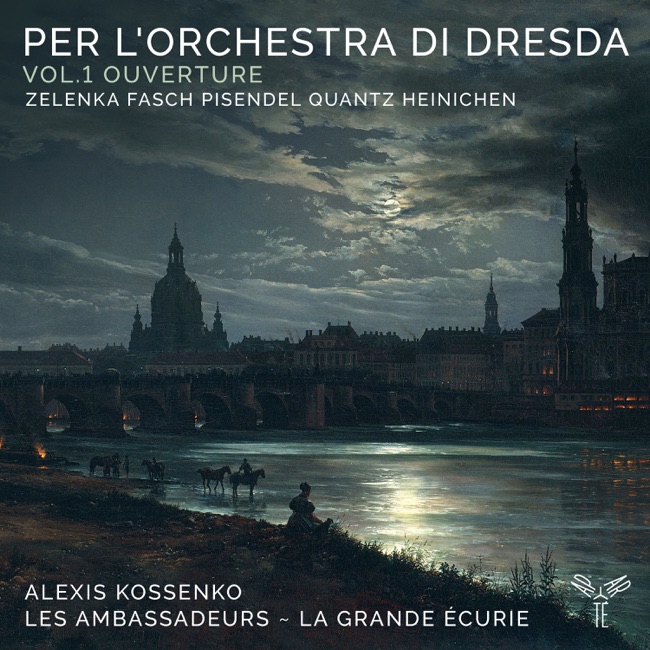
Johann David Heinichen
Missa No. 9 in D major
Released Album
Recent Album

Featured Album
Works Info
Composer:Johann David HeinichenGenre:ChoralStyle:MassAverage_duration:44:59Johann David Heinichen's 'Missa No. 9 in D major' is a sacred choral work composed in the Baroque era. The exact date of composition is unknown, but it is believed to have been written in the early 1720s. The piece was premiered in Dresden, Germany, where Heinichen served as the court composer for the Elector of Saxony. The 'Missa No. 9 in D major' is divided into six movements: Kyrie, Gloria, Credo, Sanctus, Benedictus, and Agnus Dei. Each movement features a combination of choral and instrumental parts, with the exception of the Benedictus, which is a duet for two sopranos. The piece is characterized by its grandeur and complexity, typical of Baroque music. The choral parts are often polyphonic, with multiple voices singing different melodies simultaneously. The instrumental parts are also intricate, with the use of trumpets, timpani, and strings to create a rich and full sound. The Kyrie begins with a solemn choral introduction, followed by a lively fugue. The Gloria is a joyful and celebratory movement, featuring a solo soprano and a duet between the alto and tenor voices. The Credo is the longest movement, with a variety of musical themes and textures. The Sanctus is a majestic movement, with the use of trumpets and timpani to create a triumphant sound. The Benedictus is a delicate and intimate duet for two sopranos, accompanied by a solo violin. The final movement, Agnus Dei, is a prayer for mercy and peace, with a peaceful and serene melody. Overall, Heinichen's 'Missa No. 9 in D major' is a masterful example of Baroque choral music, showcasing the composer's skill in creating complex and intricate musical textures. Its grandeur and complexity make it a challenging but rewarding piece for both performers and listeners.More....